Cast iron gutters, downpipes and hoppers for listed and conservation-area buildings across East and West Sussex. Request a quote for your Sussex project.
Cast iron gutters, downpipes and hoppers for listed and conservation-area buildings across Worcestershire. Request a quote for your Worcestershire project.
Realistic maintenance planning for painted cast iron rainwater goods: what linseed oil paint does over time, what to inspect at each stage, and why the horizons are planning tools rather than guarantees.
Cast iron gutters, downpipes and hopper heads for Suffolk’s listed and period buildings, matched to original profiles. Request a quote for your project.
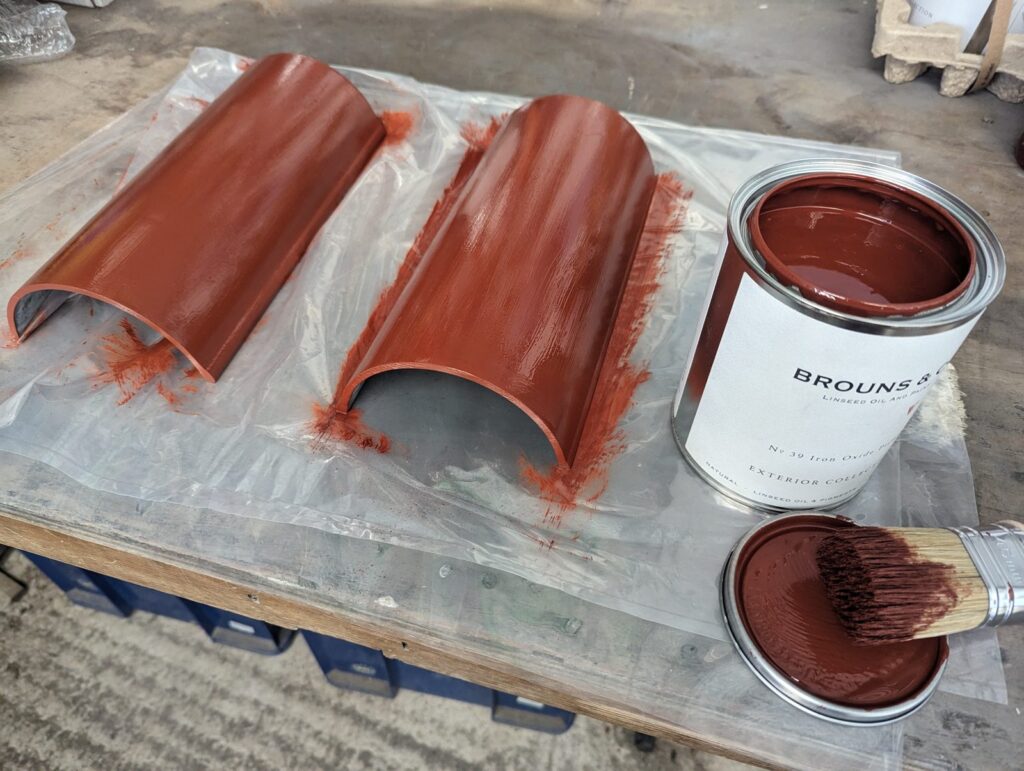
Historic ironwork in Britain was rarely black. A technical history of linseed oil and lead paints, Georgian and Victorian ironwork colours, paint analysis, and how to specify a historically informed finish for cast iron rainwater goods today.
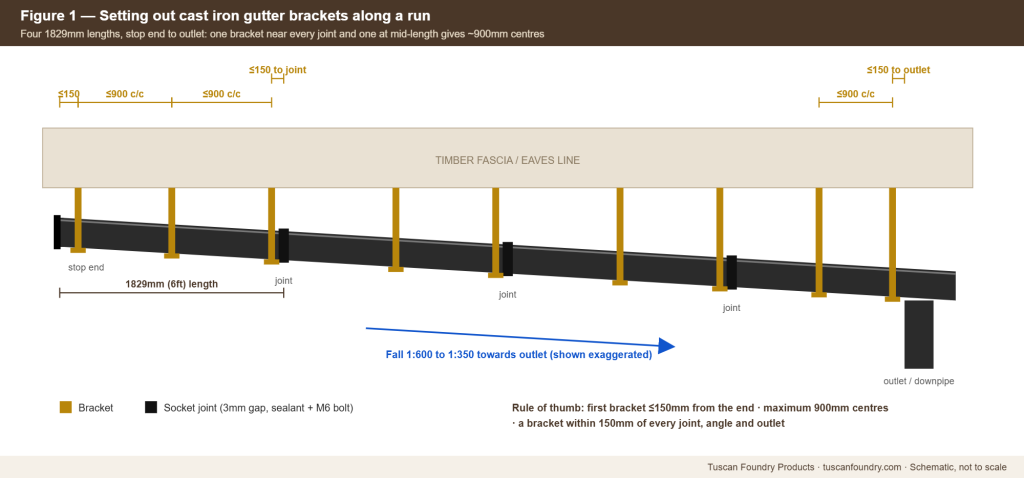
Cast iron gutter bracket spacing explained: 900mm max centres, brackets within 150mm of joints and outlets, correct falls, bracket types and downpipe fixings.
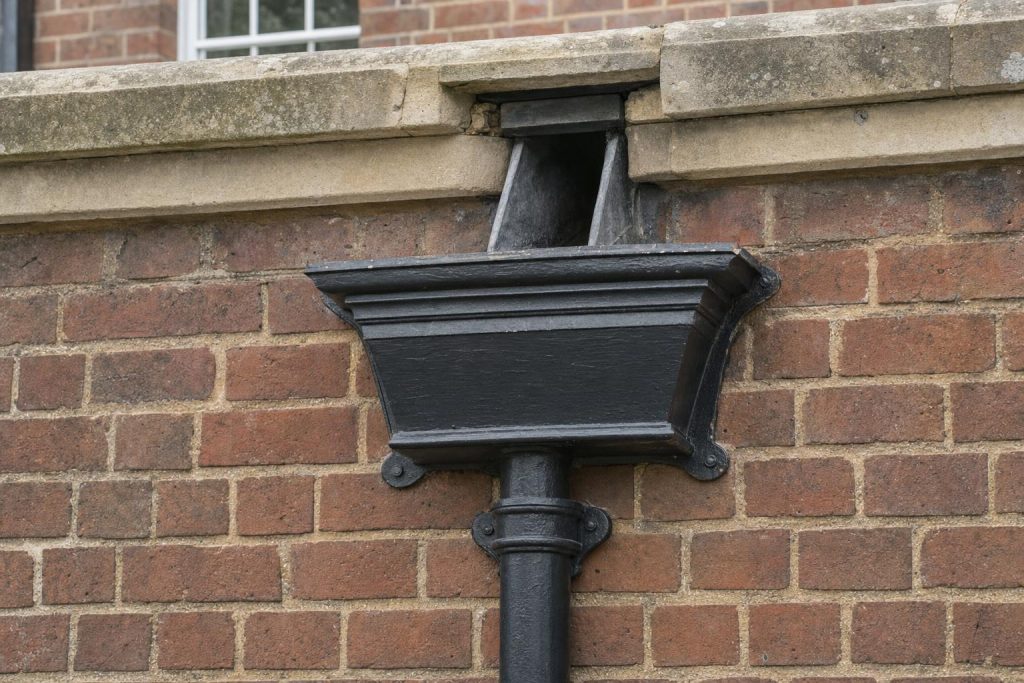
How to take water from a parapet or flat roof outlet into a cast iron hopper head: the traditional lead chute, shallow and side-outlet patterns, and rear-inlet hoppers made to order, with the overflow risk explained.
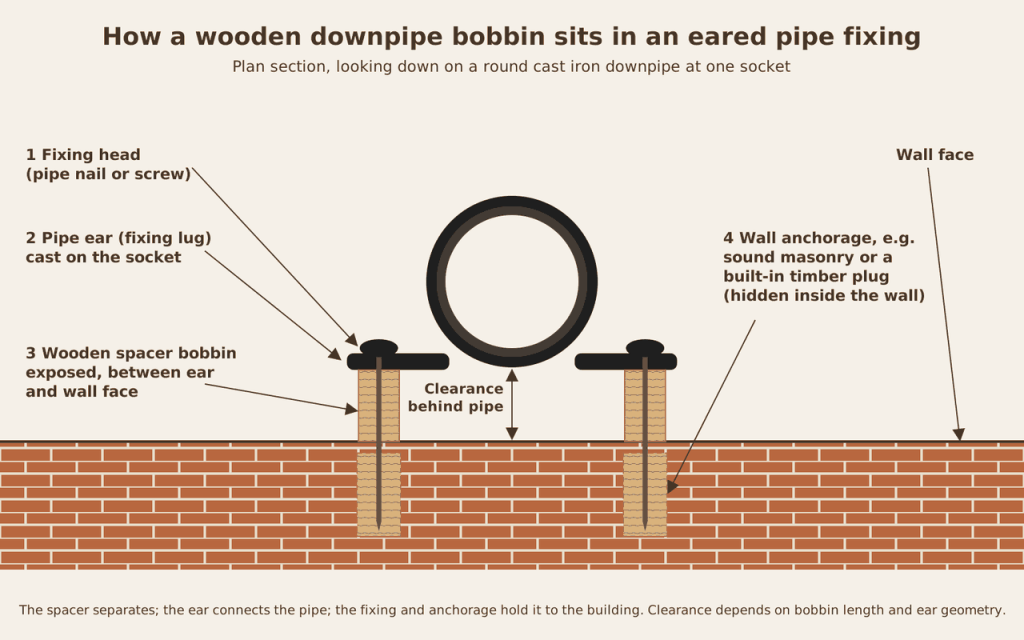
What a wooden downpipe bobbin is, where it sits, how it differs from a wall plug, when to use one and when a holderbat or other bracket does the job, with historic fixing evidence and an inspection checklist.
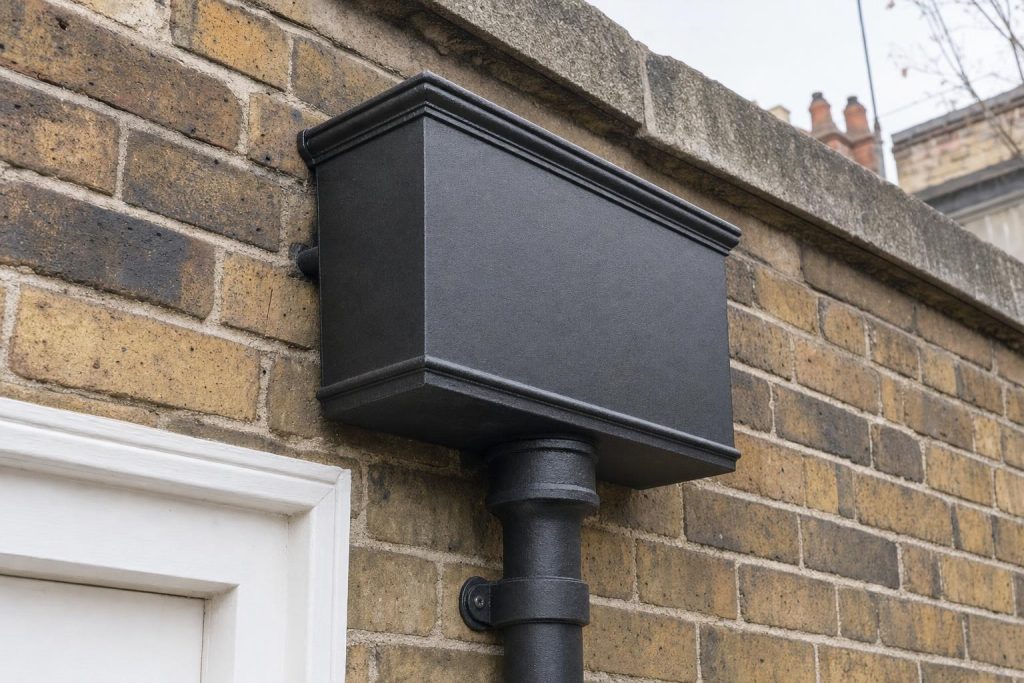
Hopper head capacity is determined less by how much water the head can hold than by how much it can discharge. A hopper is a collecting box: water rises inside it until the depth above the outlet pushes the incoming flow down the pipe.
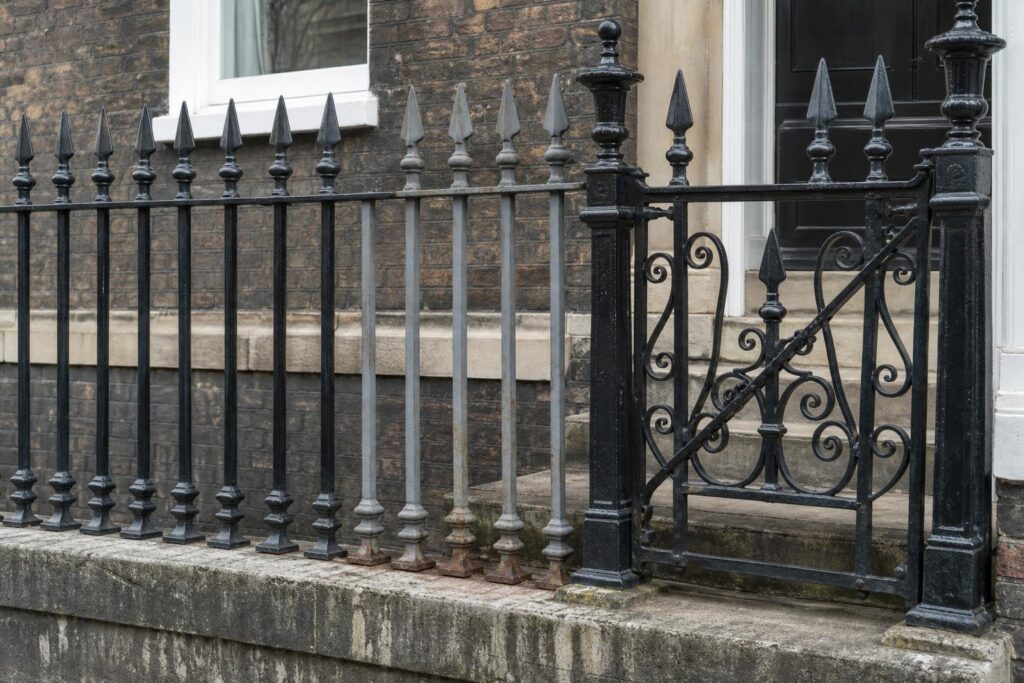
A conservation guide to identifying, assessing, repairing and replicating historic ironwork — and to commissioning the work without losing the original. Building Restoration Index — Technical Library. By Paul Stenning and Mike Walters, Historic Buildings Advisors, Tuscan Foundry Products. In summary Historic ironwork should be repaired in situ wherever material survives, and replicated only where […]
Cast iron gutters, downpipes and hopper heads for listed and period buildings in Kent, matched to original profiles. Request a quote for your Kent project.
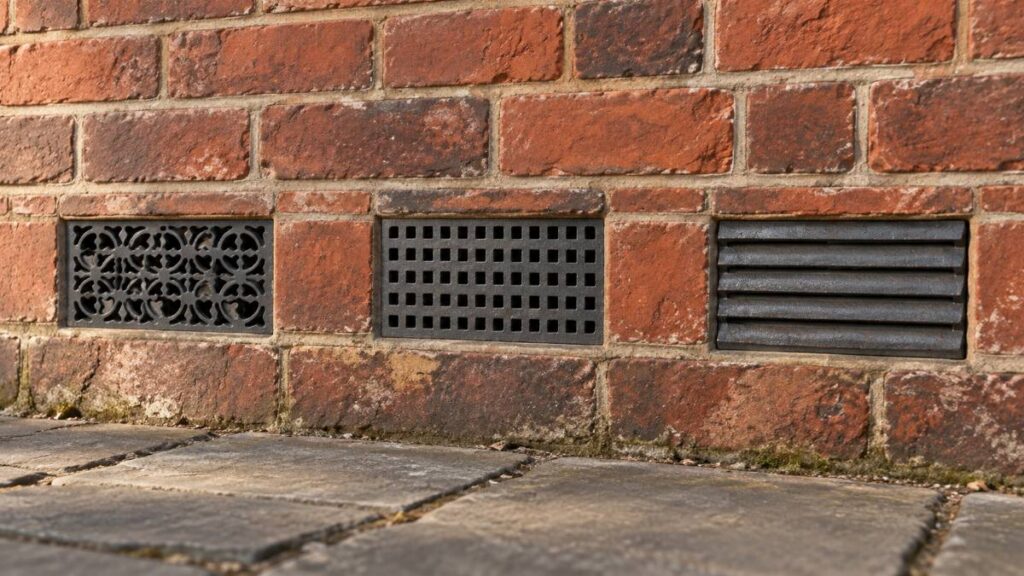
Cast iron Victorian airbricks explained: history, patterns, sizes and free airflow, with our airflow calculator to estimate how many your heritage floor needs.
Perthshire boasts one of Scotland’s richest concentrations of listed buildings, each facing unique challenges from the region’s steep rainfall gradients. This guide delves into the essential specifications for cast iron rainwater systems,
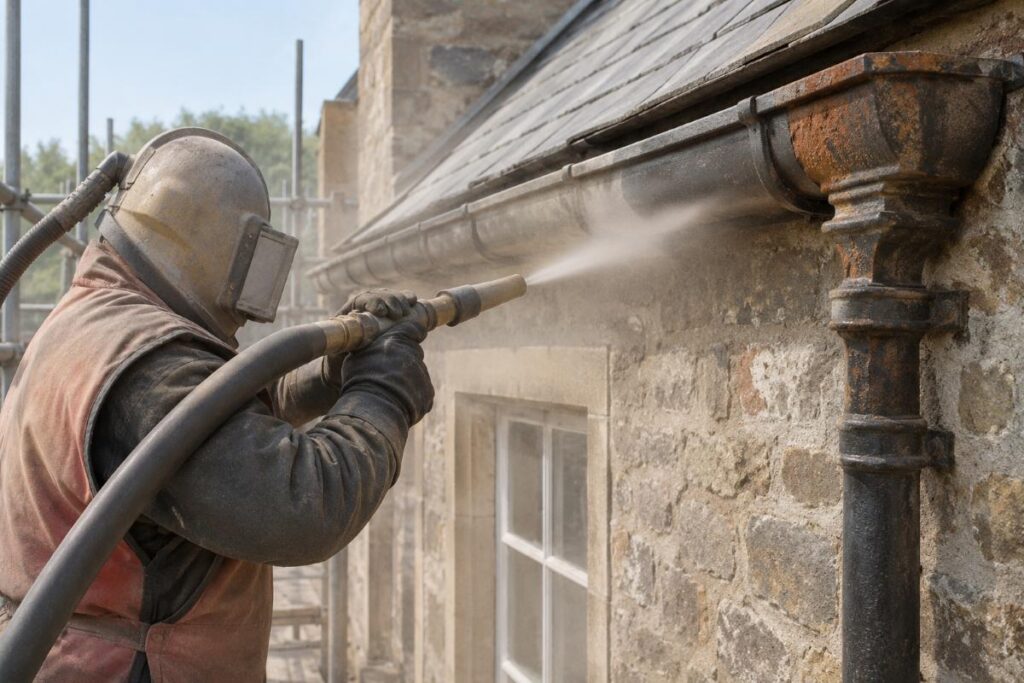
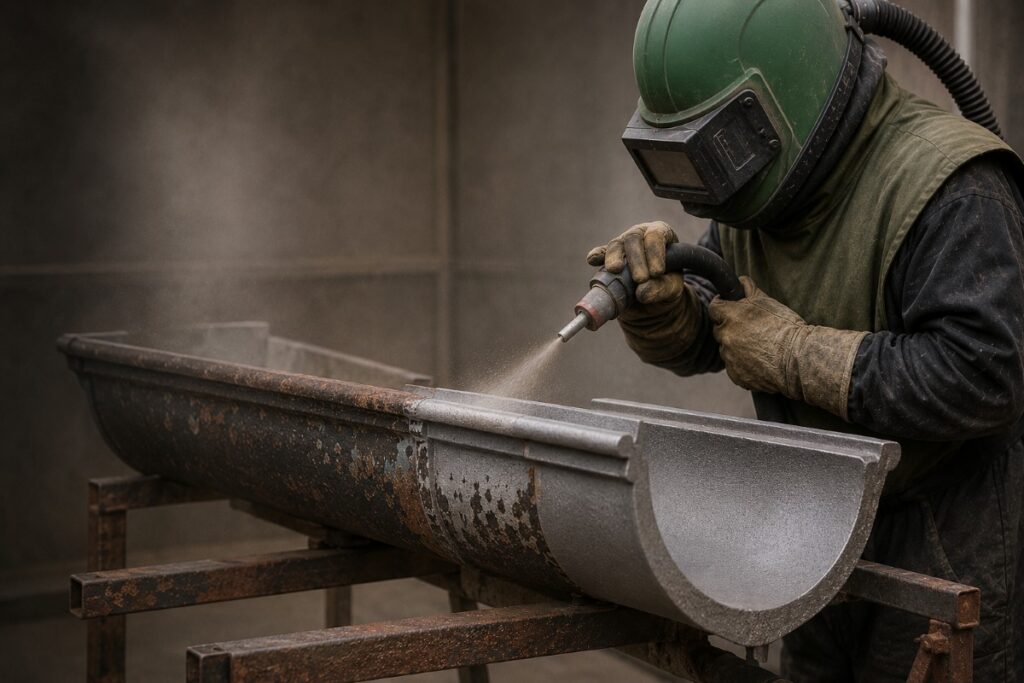
Discover the hidden dangers of grit blasting historic cast iron rainwater goods and learn why preserving the casting skin is crucial for longevity. This conservation-led guide reveals low-impact methods that clean without destruction, the risks of conventional grit blasting, and when replacement is the better option.
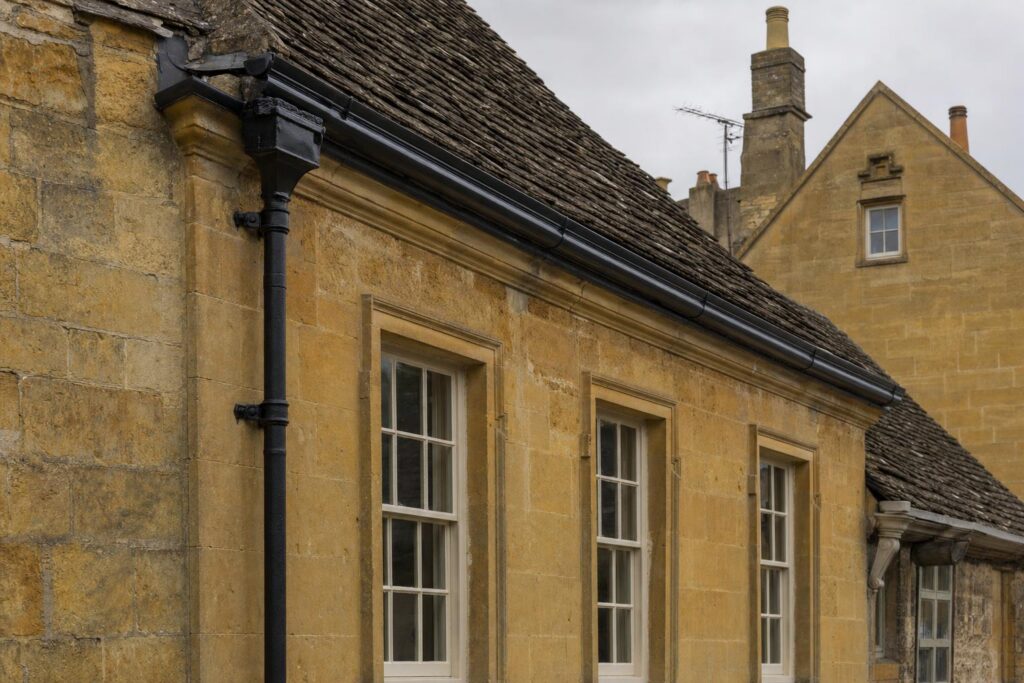
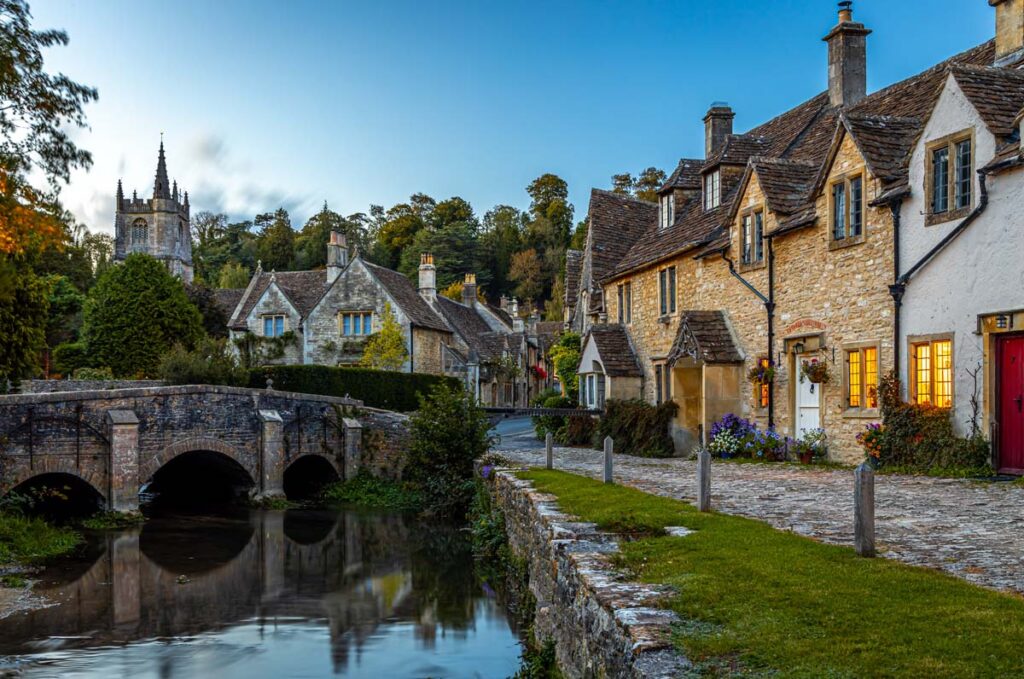
Discover the intricate world of cast iron rainwater systems in the Cotswolds, where traditional craftsmanship meets the unique challenges of oolitic limestone buildings. This guide delves into the essential specifications for gutters, downpipes, and hopper heads
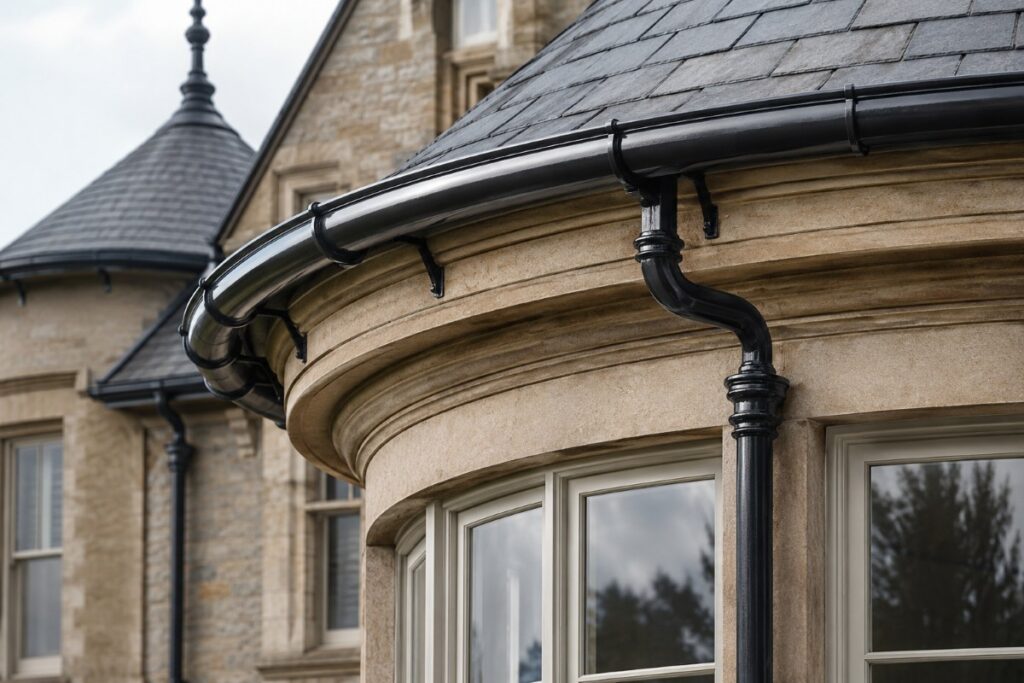
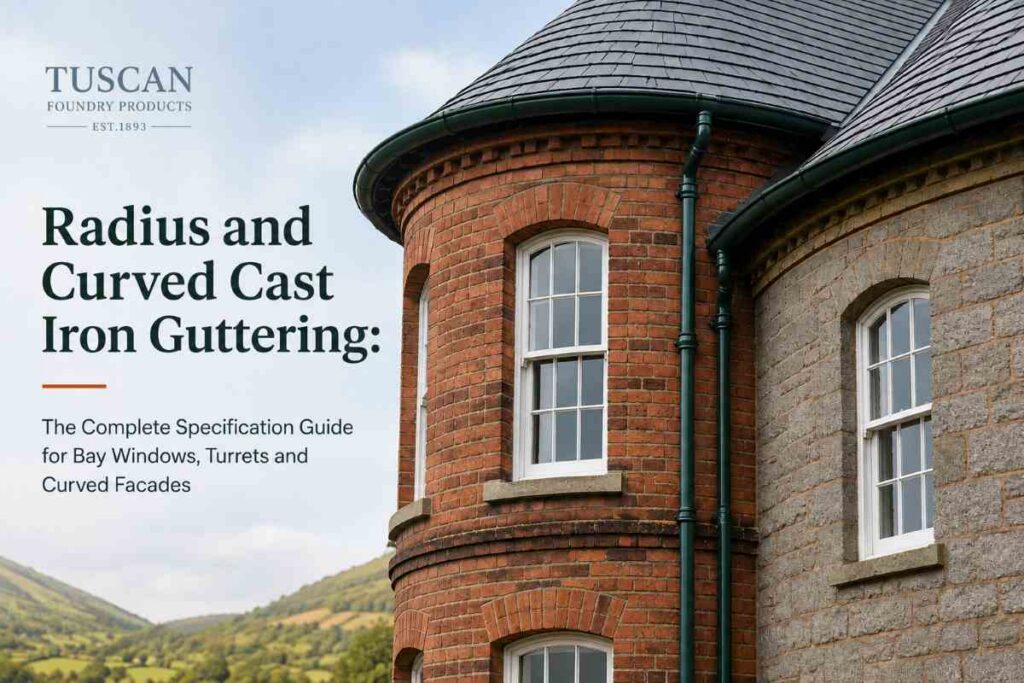
Discover the art of bespoke radius guttering, essential for preserving the architectural integrity of buildings with curved rooflines. From the elegant bay windows of English villas to the striking turrets of Scottish baronial homes, true radius cast iron gutters ensure a seamless fit that standard options simply can’t achieve.
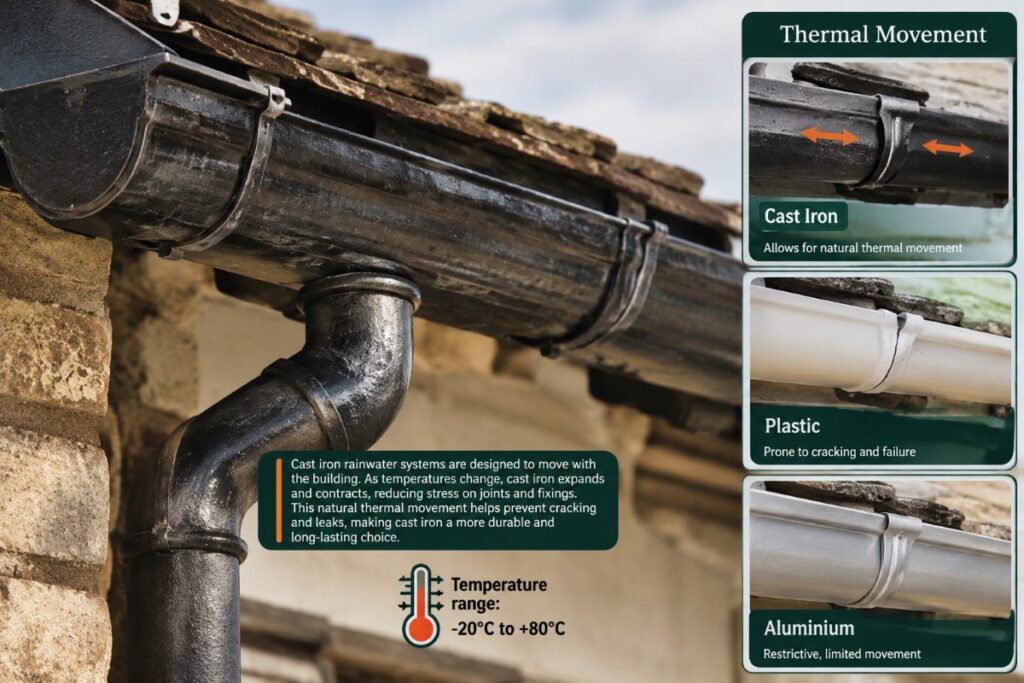
Discover why cast iron rainwater systems are the superior choice for historic buildings. With a coefficient of thermal expansion significantly lower than aluminium, zinc, and copper, cast iron minimises joint movement, ensuring lasting performance and watertightness.
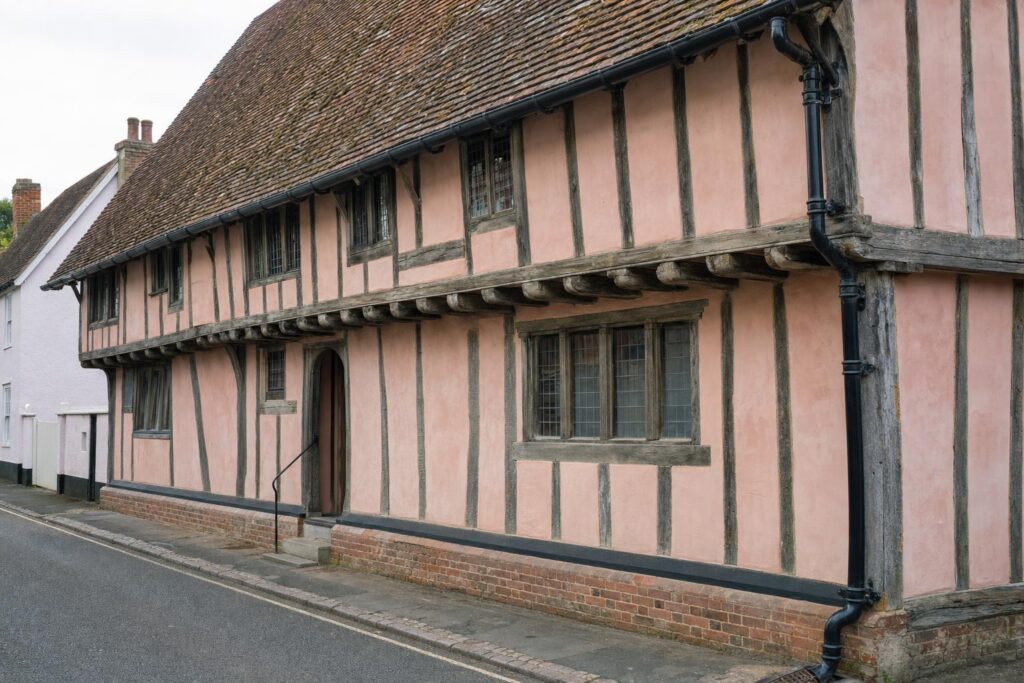
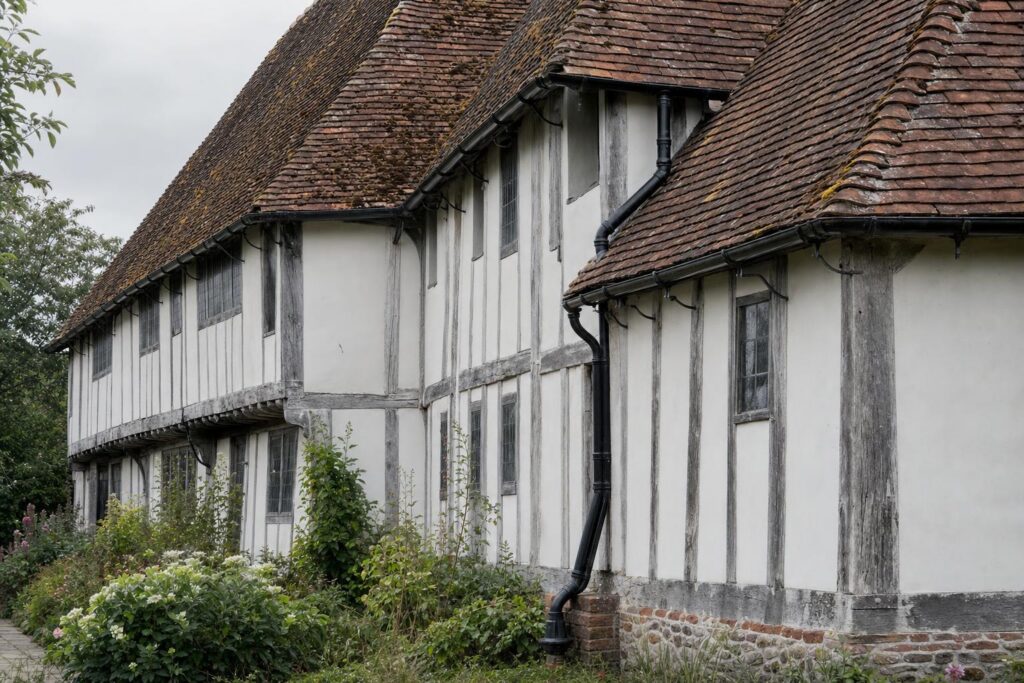
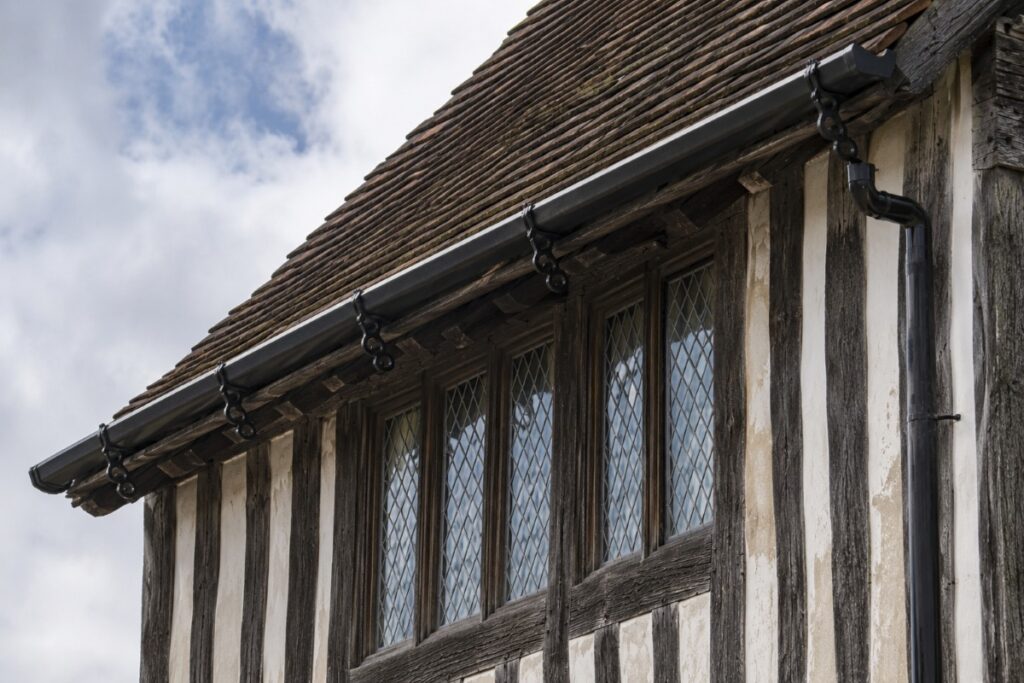
Tudor buildings, crafted between 1485 and 1603, present unique conservation challenges when it comes to rainwater management. With no original eaves gutters, these historic structures relied on deep oversailing roofs and internal lead-lined box gutters.
Cleaning and preparing cast iron rainwater goods is a delicate art that can significantly impact the longevity of historic buildings. With methods ranging from manual hand-tools to advanced cryogenic dry ice blasting, the choice of technique is crucial.
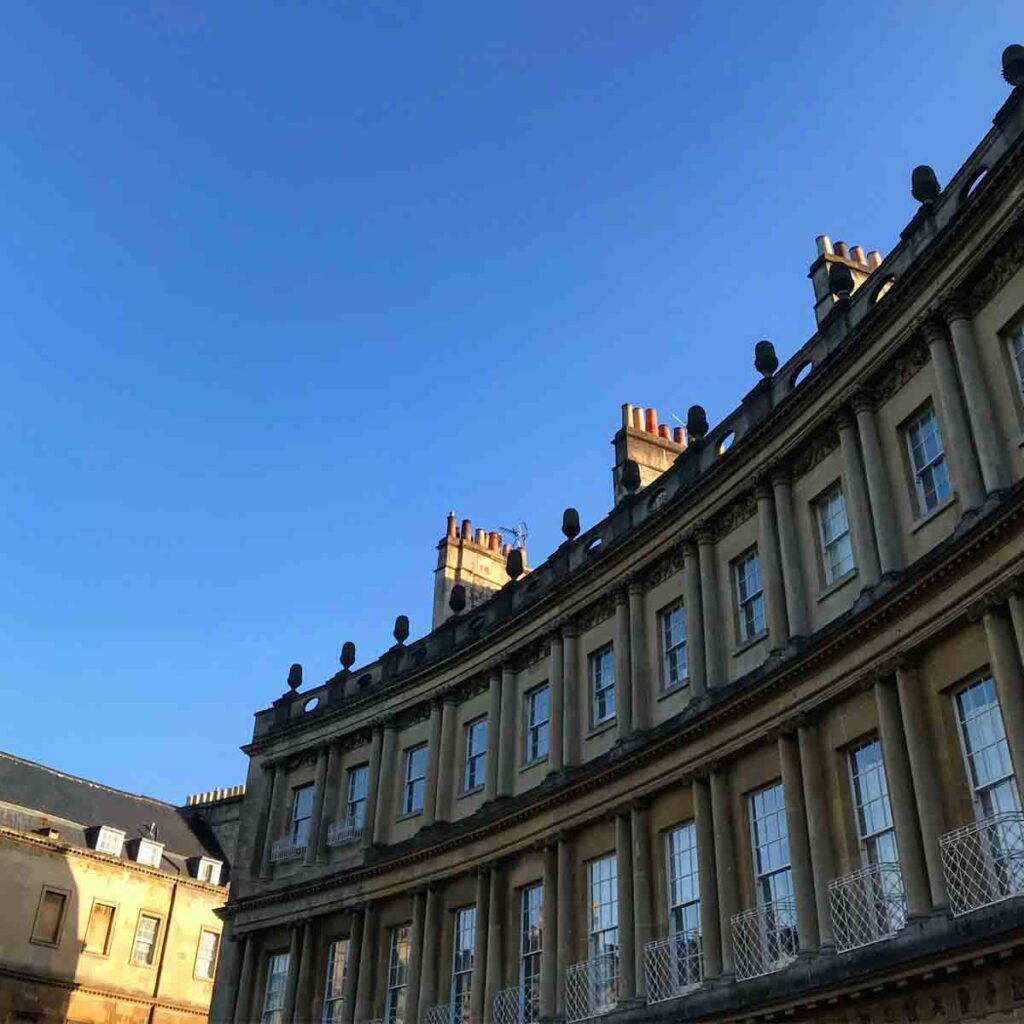
Discover the essential role of cast iron rainwater goods in preserving the architectural integrity of Regency buildings. This guide delves into the historical significance of ogee profiles, the importance of like-for-like repairs,
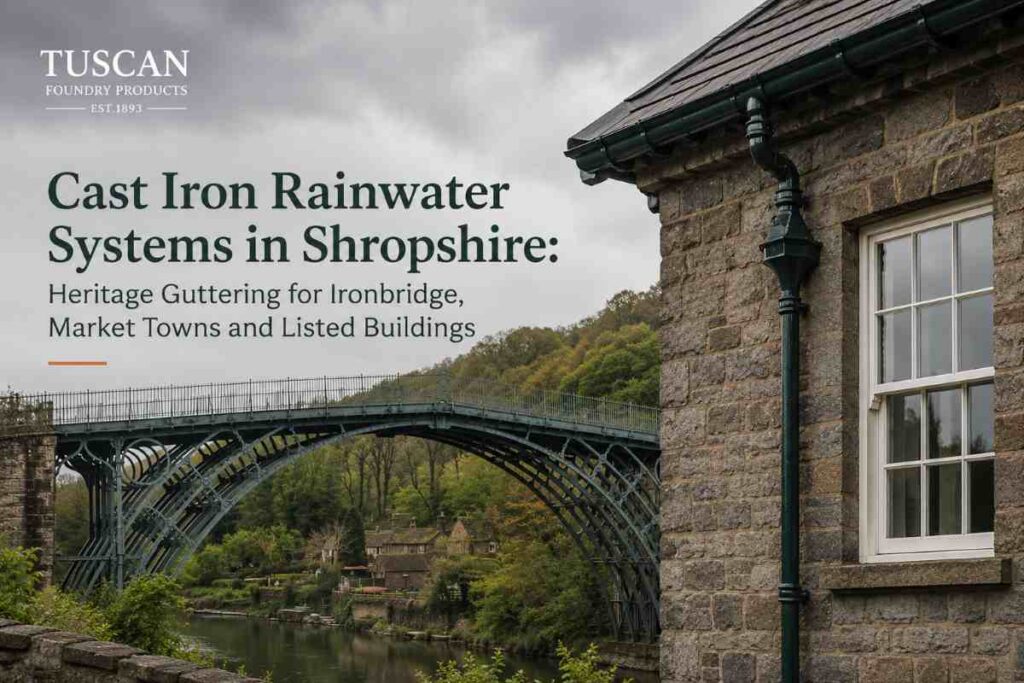
How to specify cast iron gutters and downpipes on Shropshire’s listed buildings: profiles by building type, fixing on timber-framed buildings, Ironbridge Gorge WHS rules and Listed Building Consent.
Curved architectural features are a hallmark of British design, from elegant bay windows to striking turrets. However, standard straight cast iron guttering simply cannot accommodate these graceful lines. Our comprehensive guide delves into the world of radius and curved cast iron guttering,
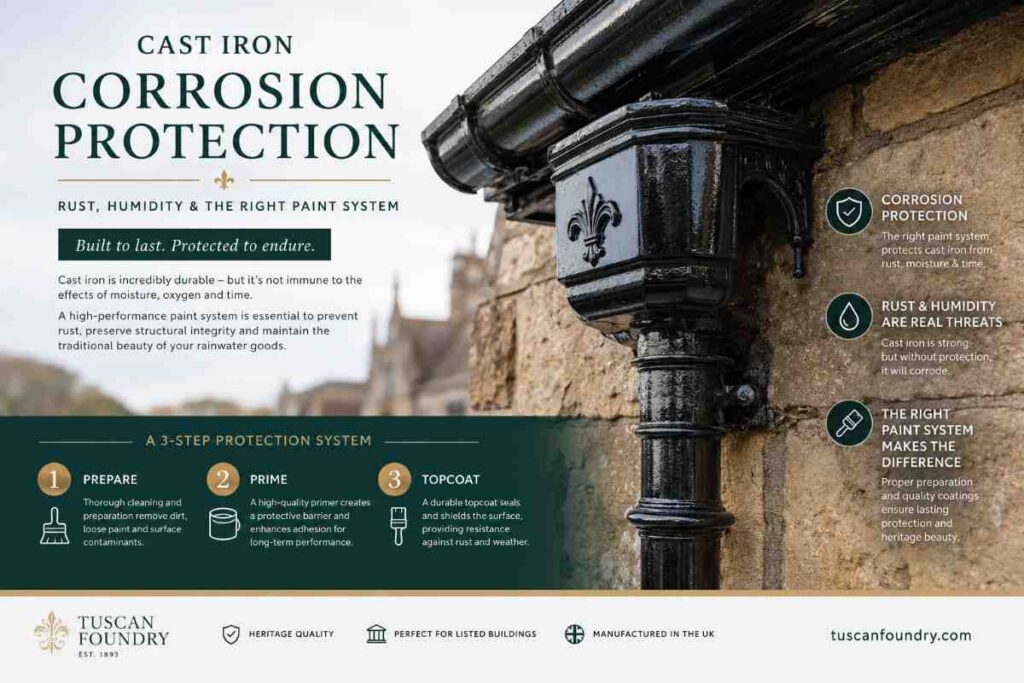
A technical guide to how cast iron corrodes, why relative humidity above 65% accelerates attack, and how linseed oil and epoxy paint systems compare for heritage and industrial ironwork. Written for architects, conservation officers and specifiers making paint system decisions on listed and non-listed cast iron rainwater goods. Technical Summary Cast iron corrodes through an […]
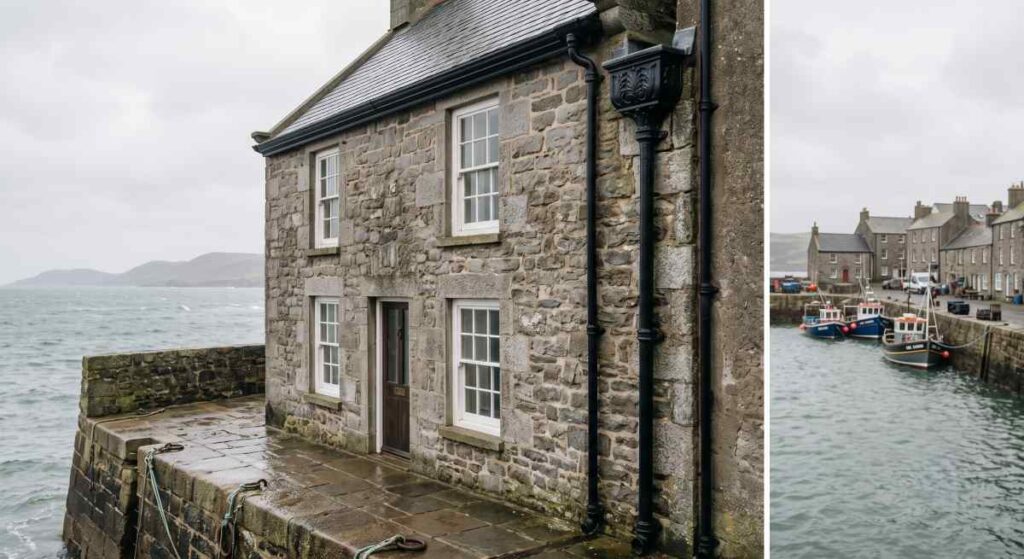
For architects and surveyors working on coastal buildings, the choice of paint finish is crucial. Linseed oil paint stands out as the superior option for cast iron rainwater goods in salt-laden air, thanks to its breathable, self-wicking properties.
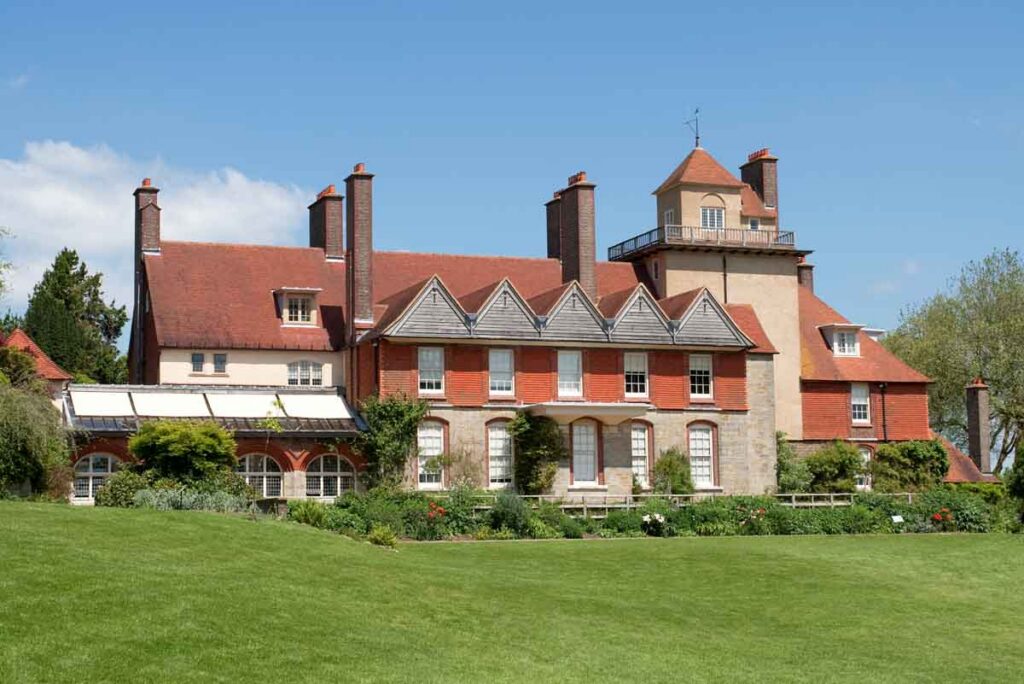
Discover the art of conserving Arts and Crafts cast iron rainwater systems, where every detail matters. From the elegant ogee profiles to the rich history of craftsmanship, our technical guide offers insights into authentic repair
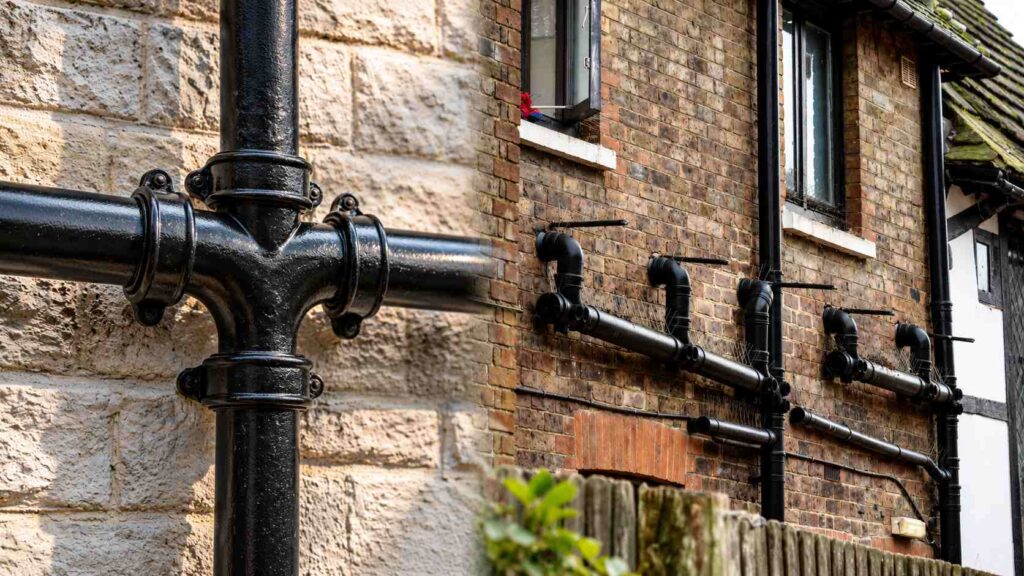
Cast iron downspouts are essential for preserving the integrity of listed and historic buildings, offering durability and authenticity that modern materials can’t match.
Discover the rich architectural heritage of Lancashire, where the legacy of the cotton trade has shaped a unique landscape of Victorian mills and terraced housing.
Discover the rich architectural heritage of cast iron gutter profiles and their vital role in preserving the character of historic buildings. From the elegant S-curve of the Victorian Ogee to the practical deep half round
Discover the vital role that cast iron rainwater goods play in preserving Britain’s architectural heritage. From historic gutters to downpipes, these elements are essential for maintaining the integrity of listed buildings across England, Wales, and Scotland.