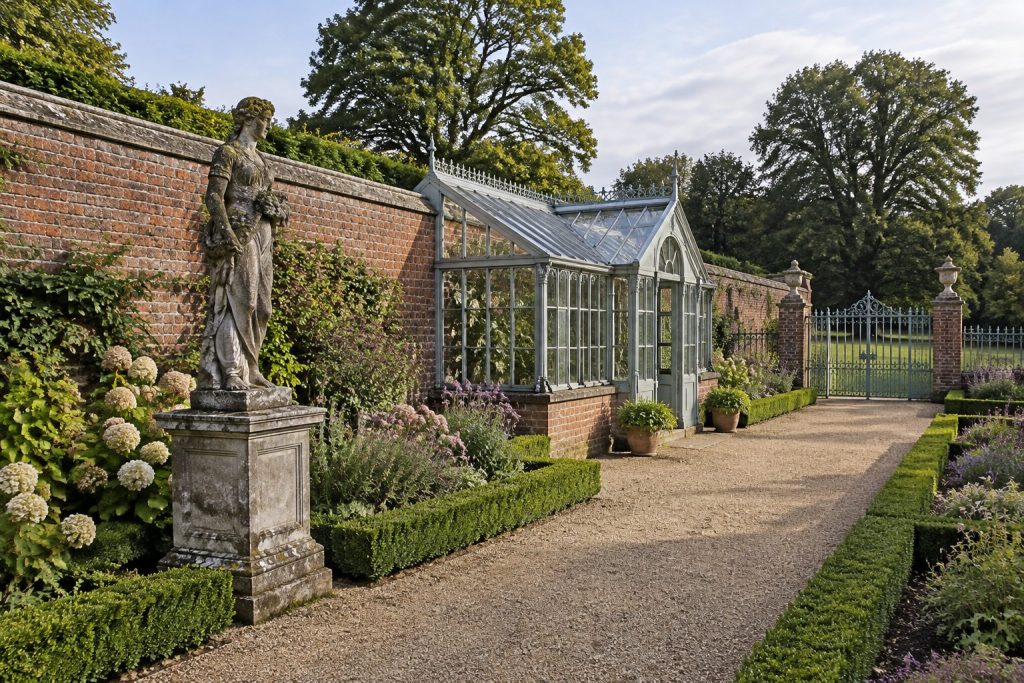
A conservation guide to the features of historic gardens and the spaces around old buildings: garden buildings and glasshouses, statues and urns, walls and ha-has, gates and railings, paths and steps, water features and street furniture. It covers how they deteriorate, how to maintain and repair them, and the protections that apply. Building Restoration Index […]
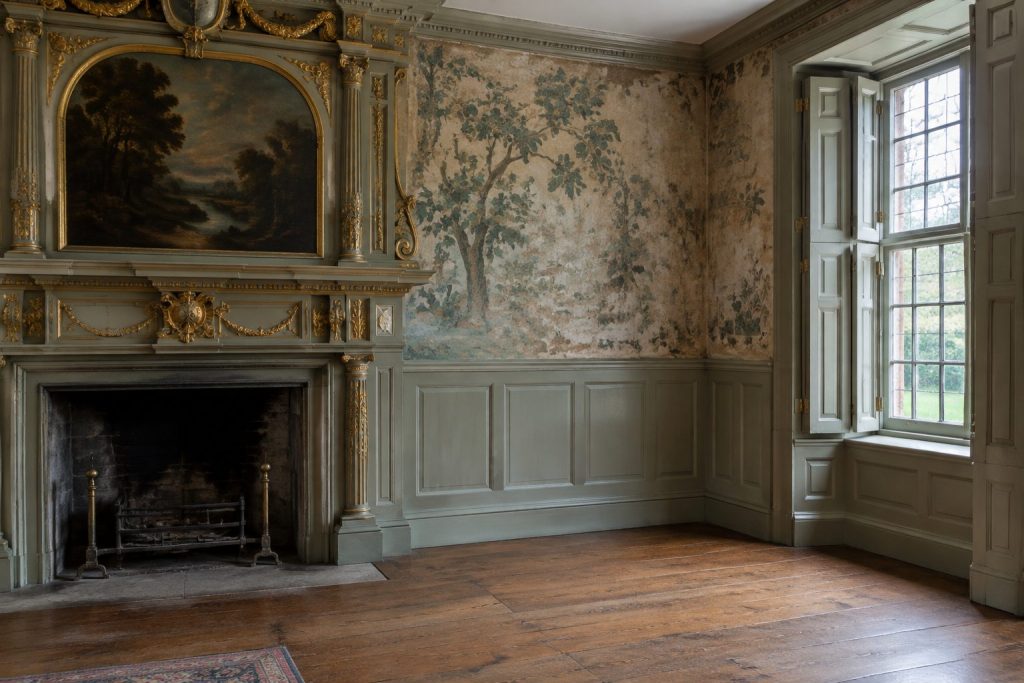
A conservation guide to the decorative surfaces and fittings of historic interiors: wall paintings, historic paint and limewash, gilding, panelling, carving, plasterwork and furniture. It covers how they deteriorate, how to protect them during building work, and when to call a conservator. Building Restoration Index — Technical Library. By Paul Stenning and Mike Walters, Historic […]
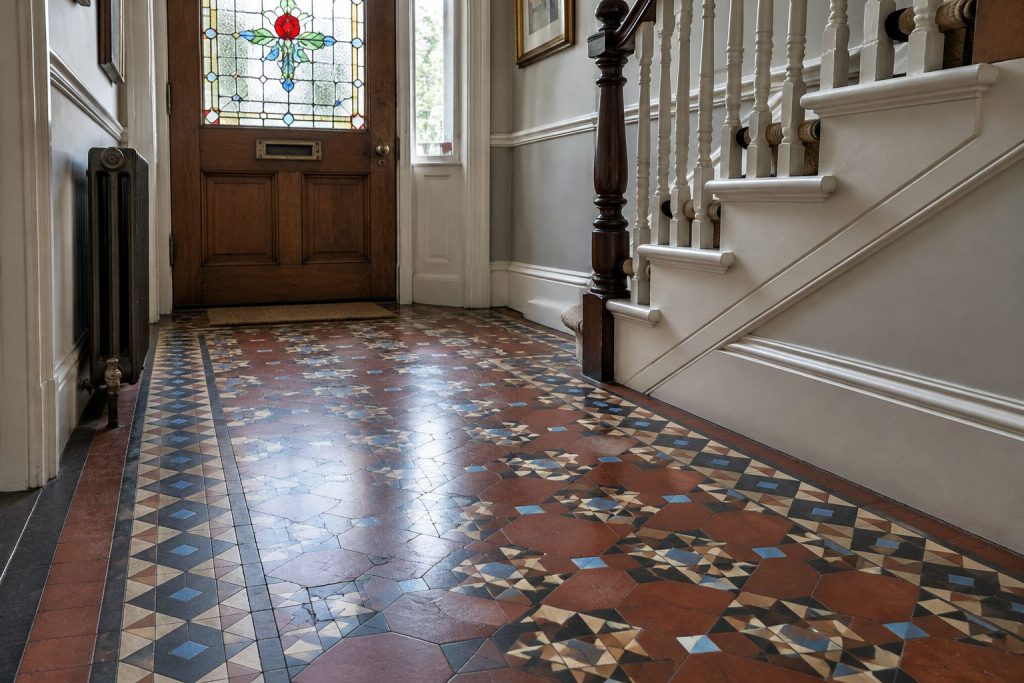
A conservation guide to the floors of historic buildings: timber boards, stone flags, brick and pamments, encaustic and geometric tiles, terracotta and lime floors. It covers how they were built, why they fail, how to clean and repair them, and how to avoid the common mistakes that destroy them. Building Restoration Index — Technical Library. […]
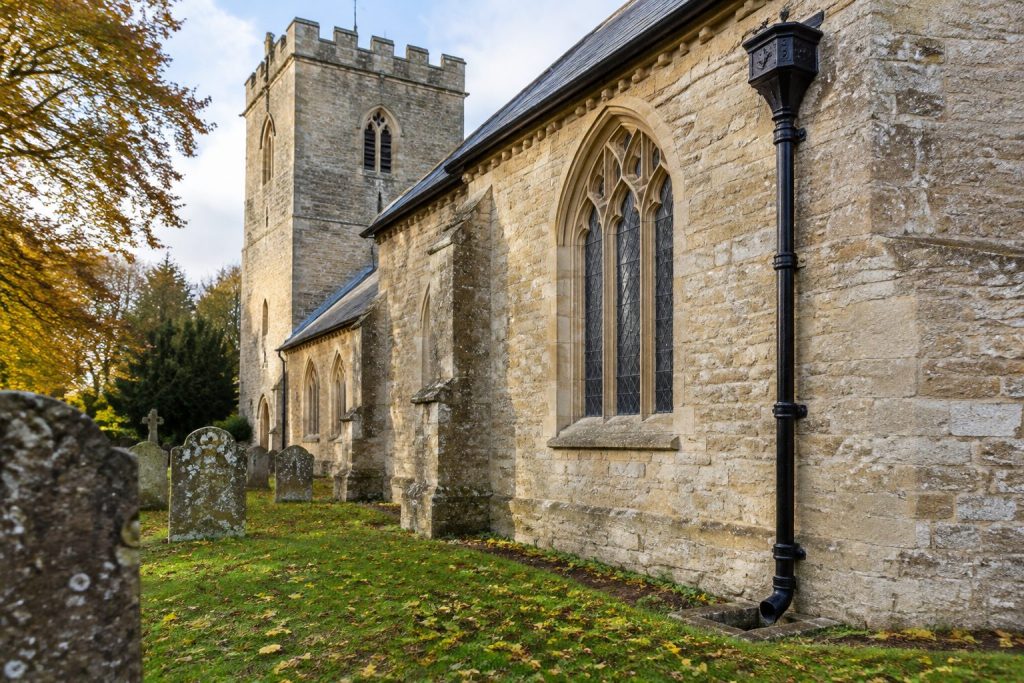
A guide for churchwardens, parochial church councils, inspecting architects and contractors on looking after historic church buildings: inspection, planned maintenance, rainwater, roofs and towers, interiors, wildlife, churchyards, permissions and funding. Building Restoration Index — Technical Library. By Paul Stenning and Mike Walters, Historic Buildings Advisors, Tuscan Foundry Products. In summary Most damage to historic churches […]
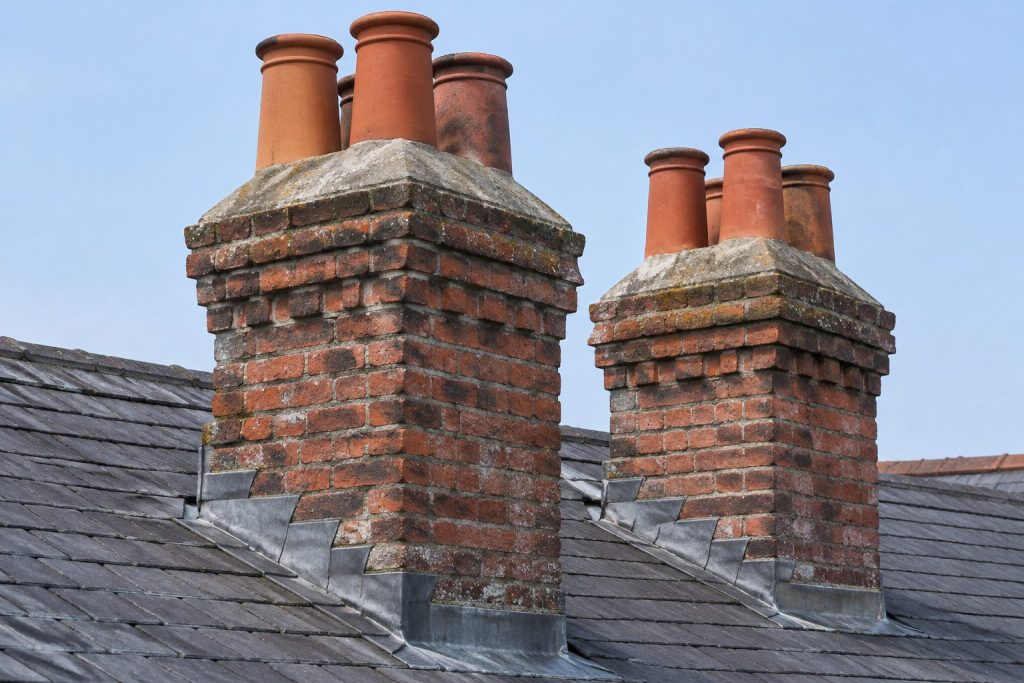
A conservation guide to chimneys, fireplaces and flues in historic buildings: how they work, how to read their condition, how to repair stacks and relining flues safely, fitting stoves, keeping disused chimneys dry, and the consent and regulations involved. Building Restoration Index — Technical Library. By Paul Stenning and Mike Walters, Historic Buildings Advisors, Tuscan […]

A conservation guide to making historic buildings warmer, cheaper to run and lower in carbon without damaging them: how traditional construction handles heat and moisture, which measures work, which carry risk, and how to plan heating, radiators and heat pumps for an old building. Building Restoration Index — Technical Library. By Paul Stenning and Mike […]
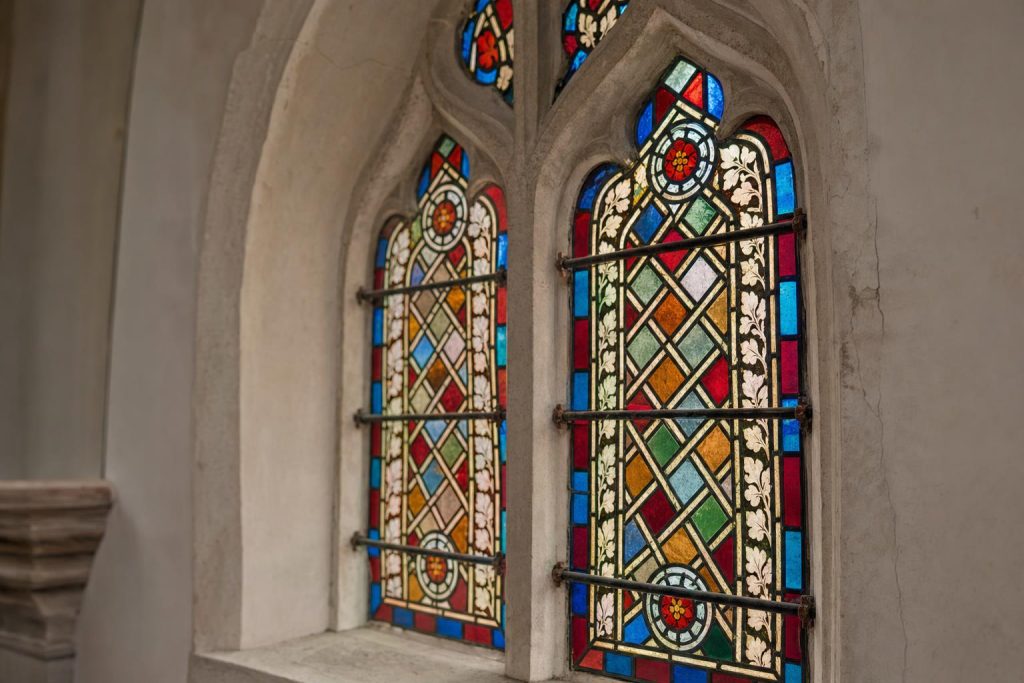
A conservation guide to stained glass and leaded lights on historic buildings: how a leaded window works, what goes wrong, why repair usually beats releading, and how to protect, clean and maintain glass that may already be centuries old. Building Restoration Index — Technical Library. By Paul Stenning and Mike Walters, Historic Buildings Advisors, Tuscan […]
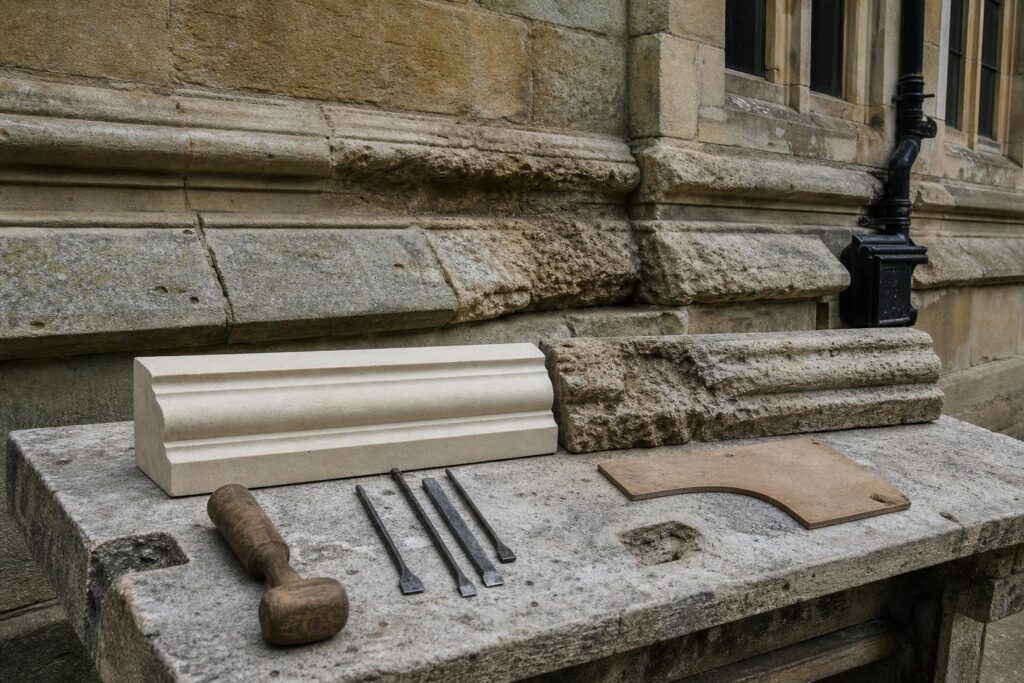
A conservation guide to stone masonry on historic buildings — how different stones decay, why cement and impermeable coatings accelerate it, and choosing between repair, indenting and replacement. Building Restoration Index — Technical Library. By Paul Stenning and Mike Walters, Historic Buildings Advisors, Tuscan Foundry Products. In summary Stone decays through a small number of […]
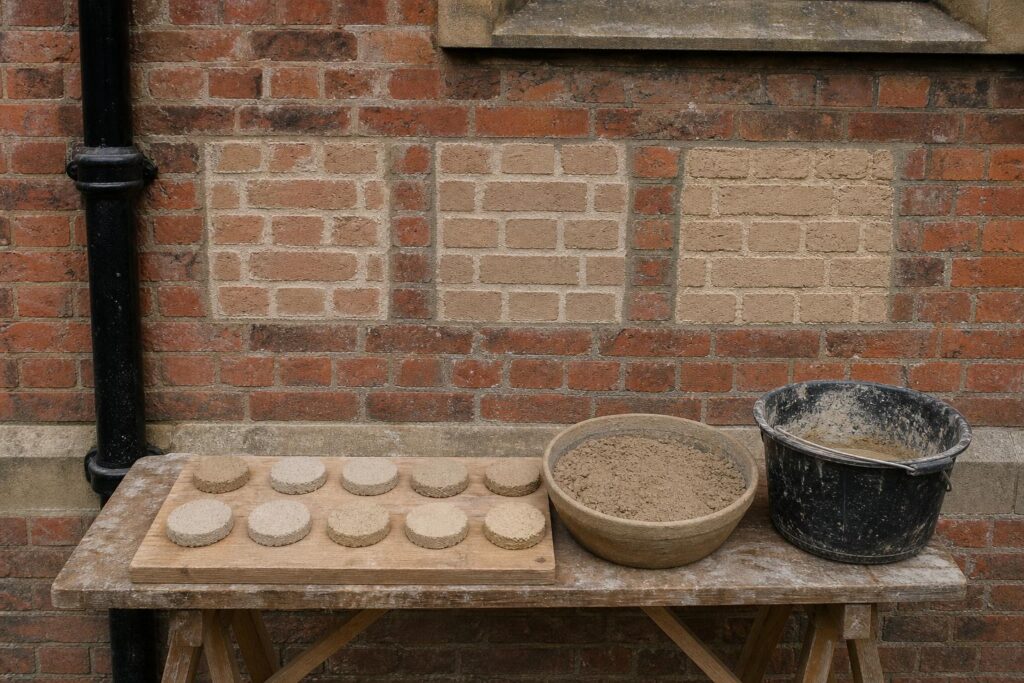
A guide for architects, surveyors and owners — how to describe conservation work precisely enough that three contractors price the same thing, and disputes do not start on site. Building Restoration Index — Technical Library. By Paul Stenning and Mike Walters, Historic Buildings Advisors, Tuscan Foundry Products. In summary Most disputes on conservation projects begin […]

A guide to getting a survey that tells you what you actually need to know — what the different survey types cover, what to ask for, and why most surveys of historic buildings disappoint. Building Restoration Index — Technical Library. By Paul Stenning and Mike Walters, Historic Buildings Advisors, Tuscan Foundry Products. In summary Most […]
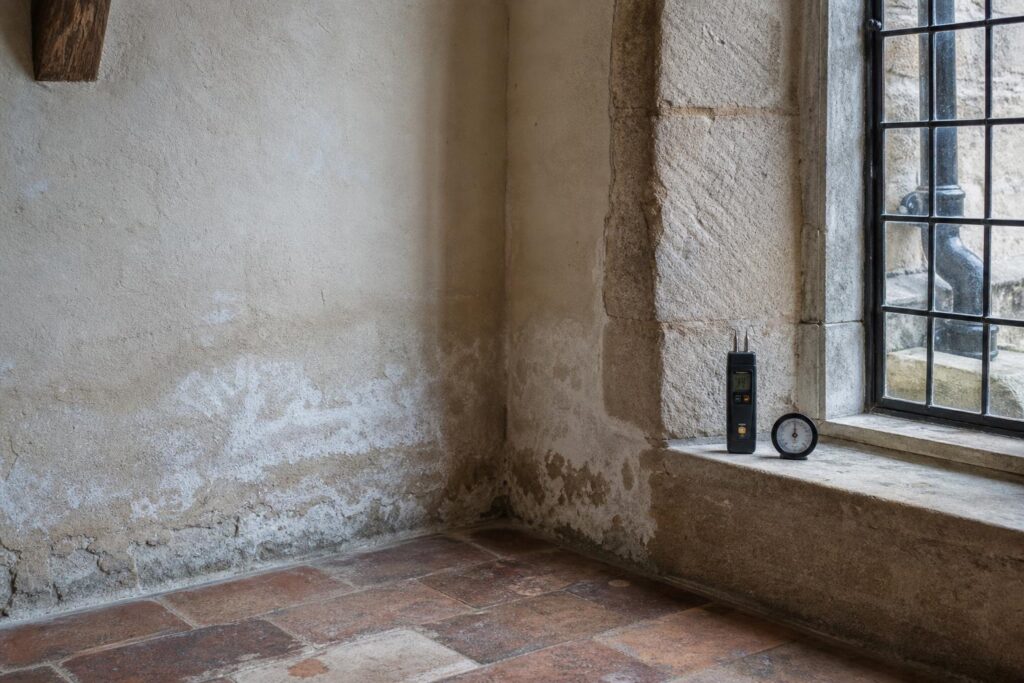
A conservation guide to identifying the real cause of damp — and to recognising the treatments that are routinely sold and rarely needed. Building Restoration Index — Technical Library. By Paul Stenning and Mike Walters, Historic Buildings Advisors, Tuscan Foundry Products. In summary Damp in a historic building almost always has an identifiable physical cause, […]
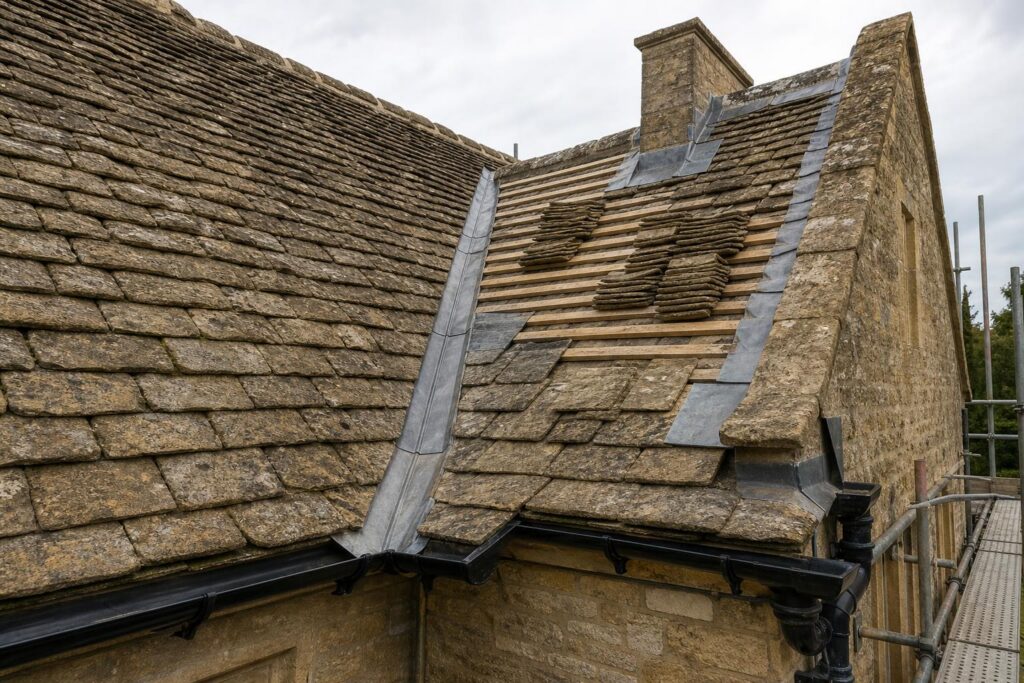
A conservation guide to slate, tile, stone and lead roofs on historic buildings — diagnosing failure, repairing rather than stripping, and getting the details right where roofs actually leak. Building Restoration Index — Technical Library. By Paul Stenning and Mike Walters, Historic Buildings Advisors, Tuscan Foundry Products. In summary Most historic roofs leak at details […]
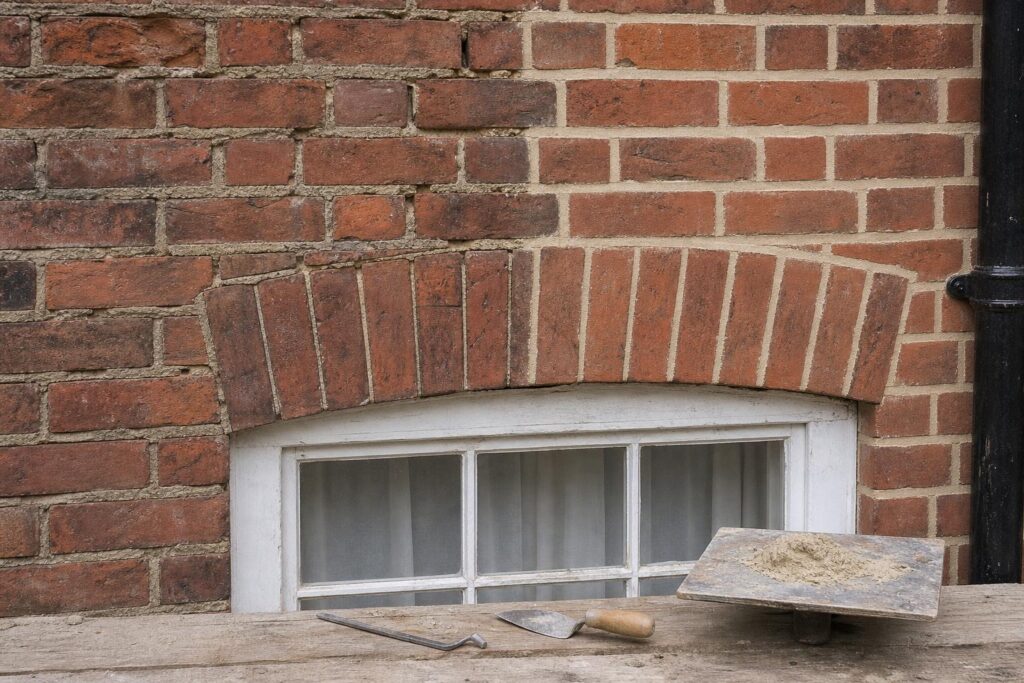
A conservation guide to brick and mortar on historic buildings — why cement pointing causes the damage it was meant to prevent, how to specify a lime mortar that matches, and when repair beats replacement. Building Restoration Index — Technical Library. By Paul Stenning and Mike Walters, Historic Buildings Advisors, Tuscan Foundry Products. In summary […]
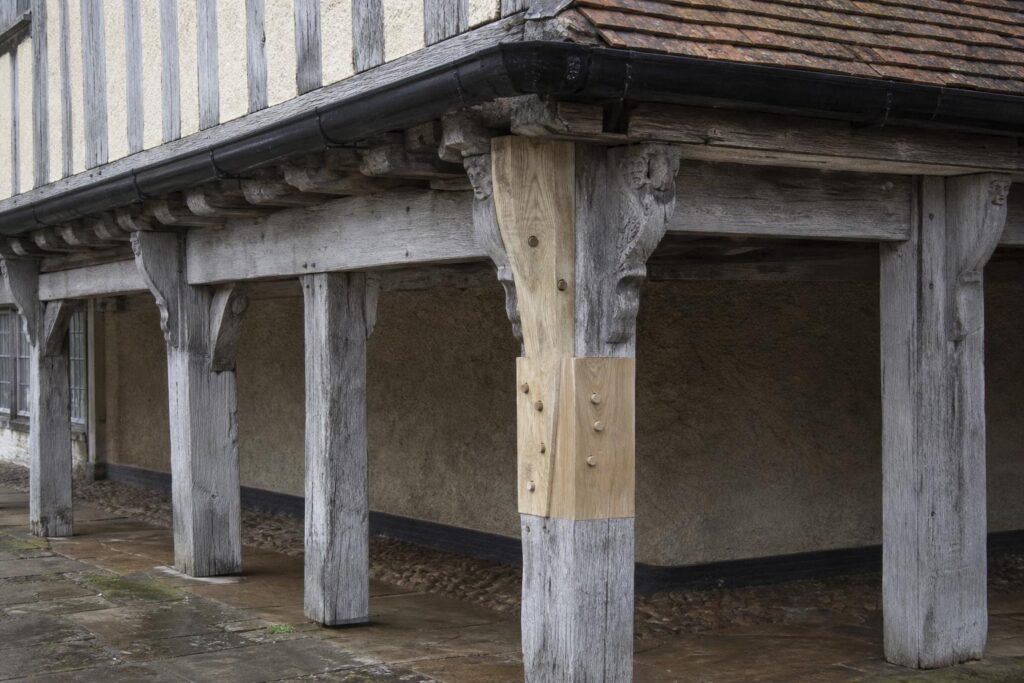
A conservation guide to timber-framed buildings — understanding how the frame works, diagnosing decay and movement, and repairing without over-intervening. Building Restoration Index — Technical Library. By Paul Stenning and Mike Walters, Historic Buildings Advisors, Tuscan Foundry Products. In summary Historic timber frames fail almost exclusively where water reaches them, and almost all of that […]
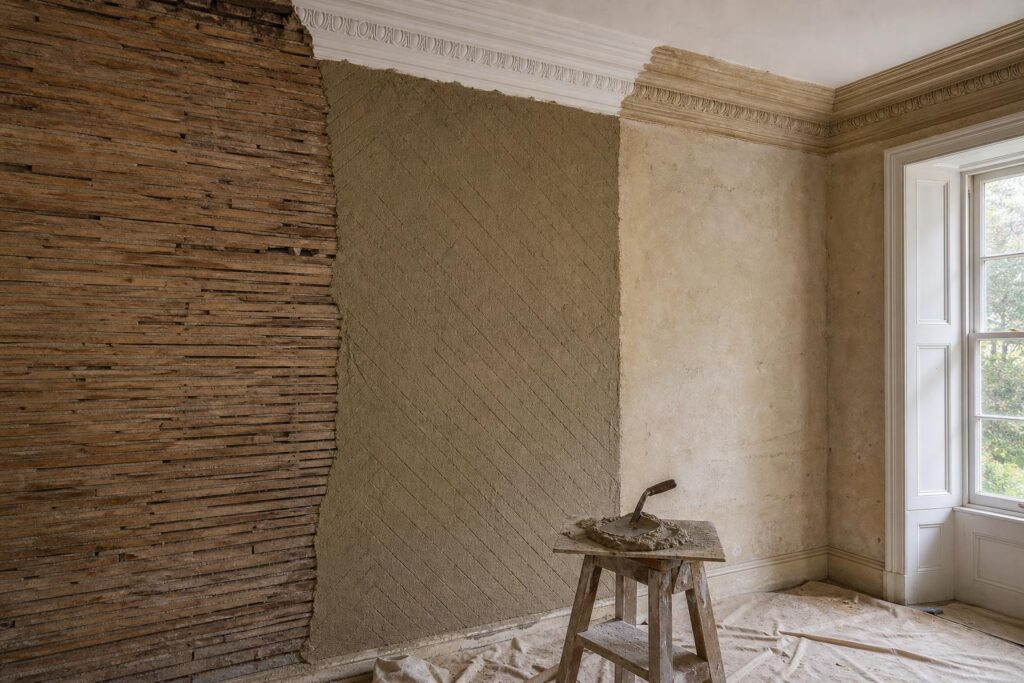
A conservation guide to historic internal and external plaster — how it works, why it fails, when to repair, and why gypsum and cement repairs cause more damage than they solve. Building Restoration Index — Technical Library. By Paul Stenning and Mike Walters, Historic Buildings Advisors, Tuscan Foundry Products. In summary Historic plaster is a […]
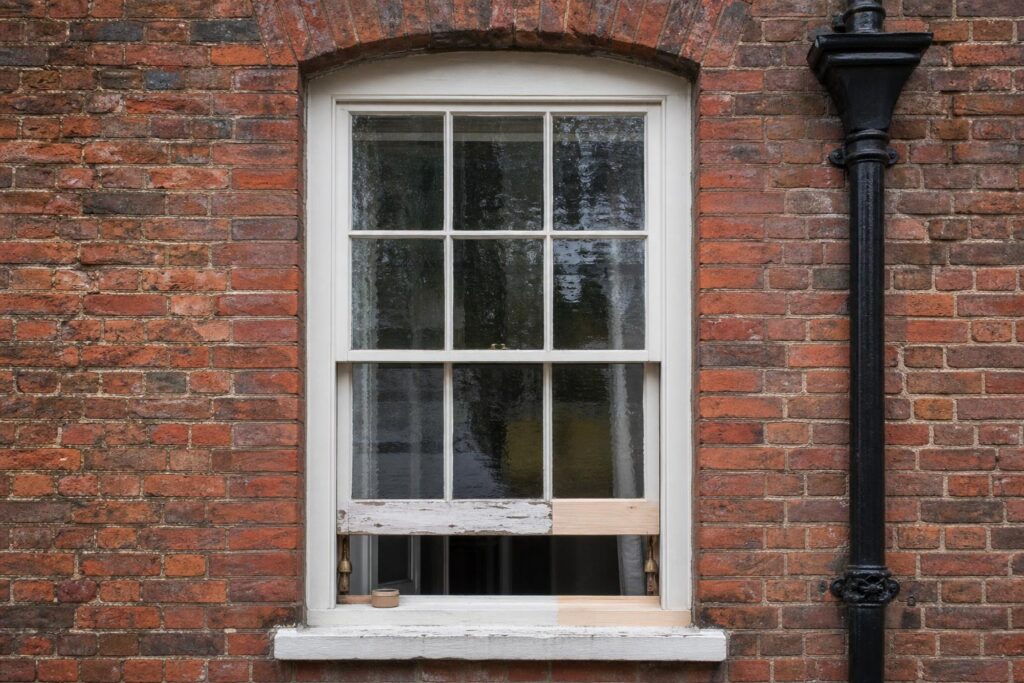
A conservation guide to timber and metal windows and external doors — assessing condition, repairing rather than replacing, and improving performance without losing the original. Building Restoration Index — Technical Library. By Paul Stenning and Mike Walters, Historic Buildings Advisors, Tuscan Foundry Products. In summary Historic windows can almost always be repaired, and repair is […]
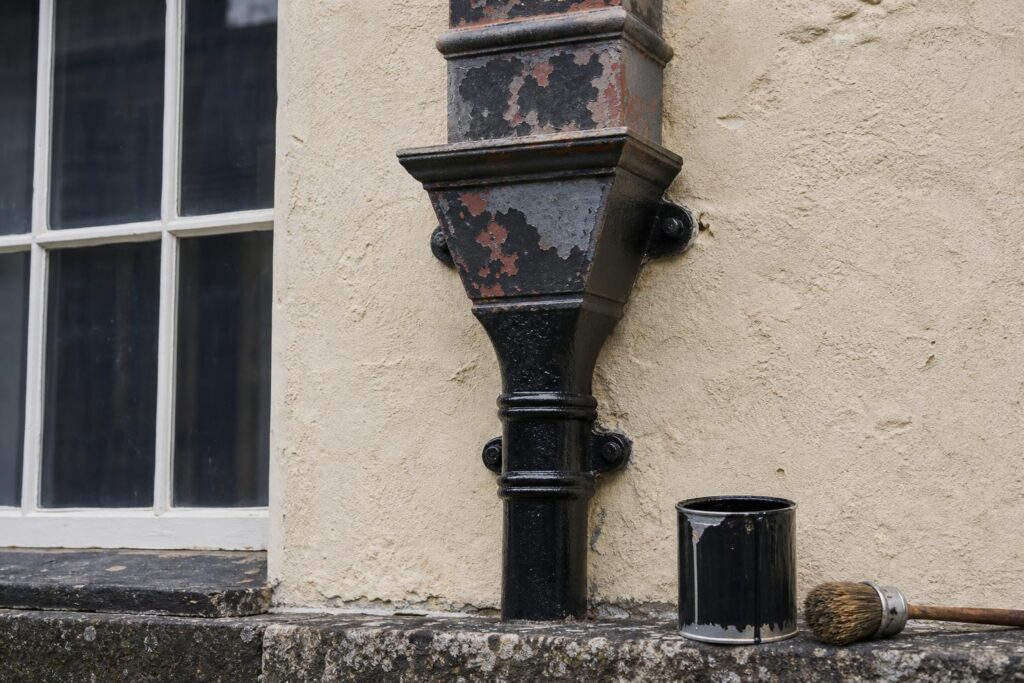
A conservation guide to preparation, coating selection, colour and maintenance on historic ironwork, railings, rainwater goods, gates and architectural castings. Building Restoration Index — Technical Library. By Paul Stenning and Mike Walters, Historic Buildings Advisors, Tuscan Foundry Products. In summary Coatings on historic metalwork fail predictably: at edges and arrises where film thickness is lowest, […]
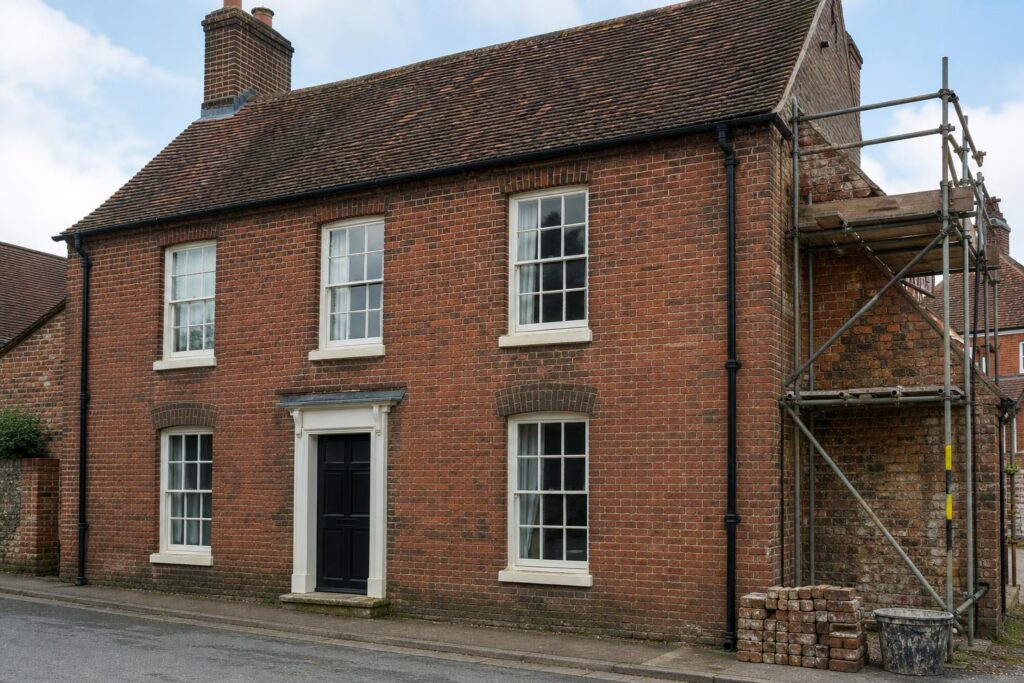
A practical guide to the consent regime for owners, architects, surveyors and contractors — what is controlled, where the repair-and-alteration line sits, and how to make an application that succeeds. Building Restoration Index — Technical Library. By Paul Stenning and Mike Walters, Historic Buildings Advisors, Tuscan Foundry Products. In summary Listed Building Consent is required […]
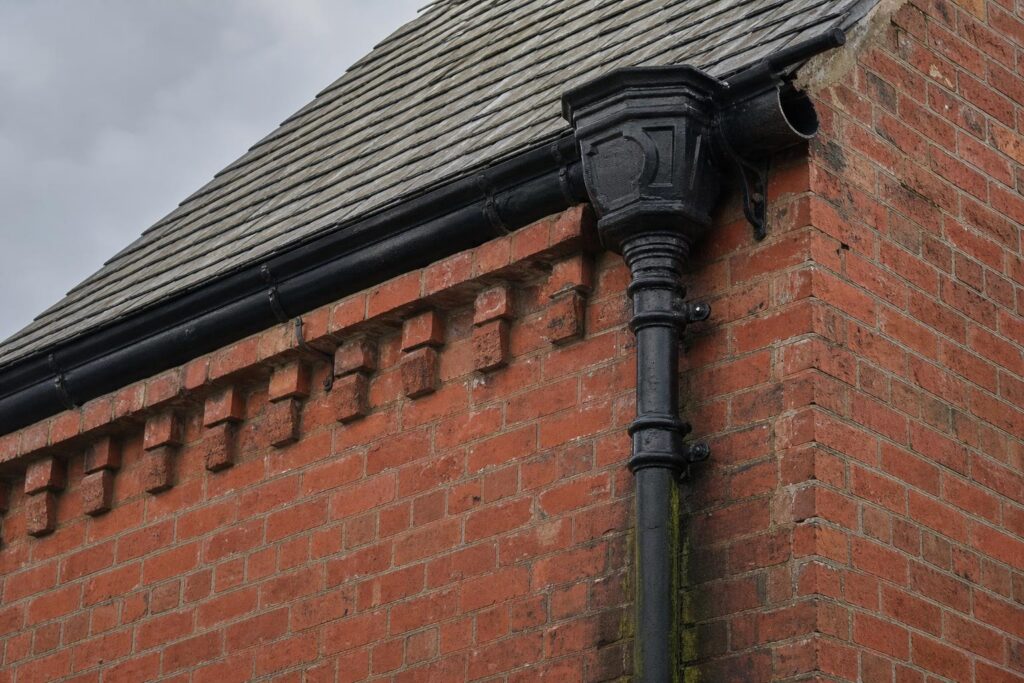
A conservation guide to gutters, downpipes, hoppers and outlets in lead, cast iron, copper, timber and stone — how they fail, when to repair, and when replacement is genuinely justified. Building Restoration Index — Technical Library. By Paul Stenning and Mike Walters, Historic Buildings Advisors, Tuscan Foundry Products. In summary Rainwater disposal is the single […]
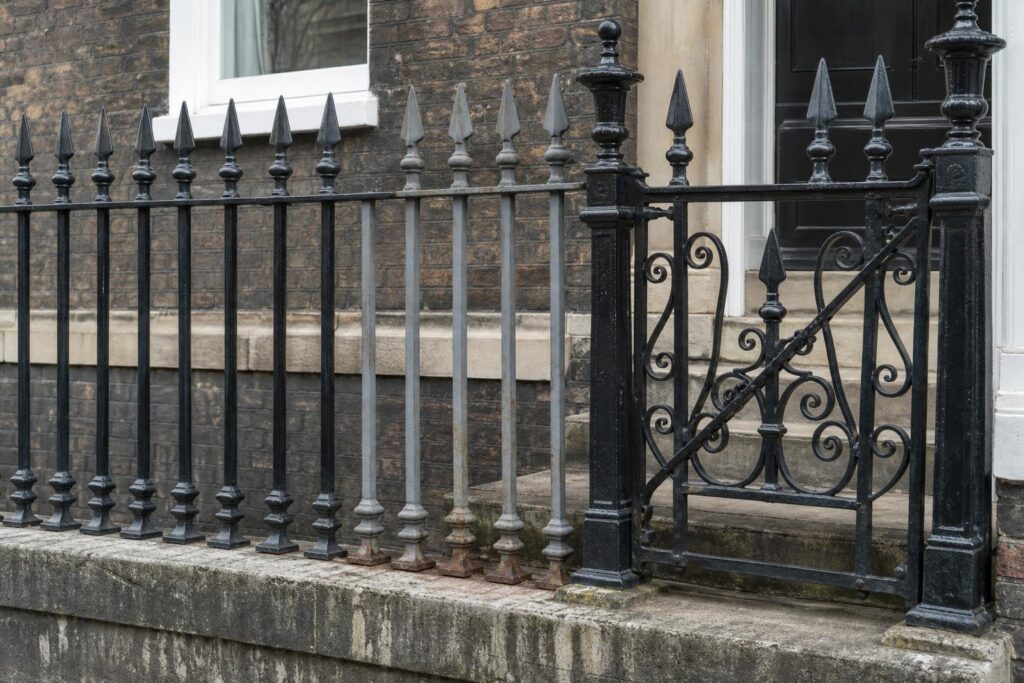
A conservation guide to identifying, assessing, repairing and replicating historic ironwork — and to commissioning the work without losing the original. Building Restoration Index — Technical Library. By Paul Stenning and Mike Walters, Historic Buildings Advisors, Tuscan Foundry Products. In summary Historic ironwork should be repaired in situ wherever material survives, and replicated only where […]

Perthshire boasts one of Scotland’s richest concentrations of listed buildings, each facing unique challenges from the region’s steep rainfall gradients. This guide delves into the essential specifications for cast iron rainwater systems,

The removal of aged cast iron guttering from heritage buildings is a critical yet risky task in refurbishment projects. This guide offers essential insights into safe working methods, from freeing corroded fixings to managing casting failures

Refurbishing cast iron gutters on heritage buildings is not just a restoration task; it’s a meticulous process that demands expertise and careful planning. This comprehensive guide offers conservation professionals essential insights

Caring for historic buildings — churches, listed properties, country houses, and heritage estates — demands consistent attention to the fabric of the building. While stonework and stained glass attract the most admiration, it is the water management system that does the quiet work of keeping decay at bay. Neglecting gutters, downpipes, and roof drainage can […]

Gaining access to high-level areas on historic, period, listed, and traditional buildings presents real practical challenges. Scaffolding is disruptive, expensive, and often difficult to position around sensitive masonry or in restricted urban settings. Aerial platform surveys — using mobile elevated work platforms — offer a flexible, lower-impact alternative that is well suited to heritage building […]

Discover the fascinating journey of cast iron in architecture, from its early use in the majestic Konark Sun Temple to the groundbreaking Dithelington Flax Mill,