Reading the Date on the Drain: How to Date Historic Hopper Heads on Listed Buildings
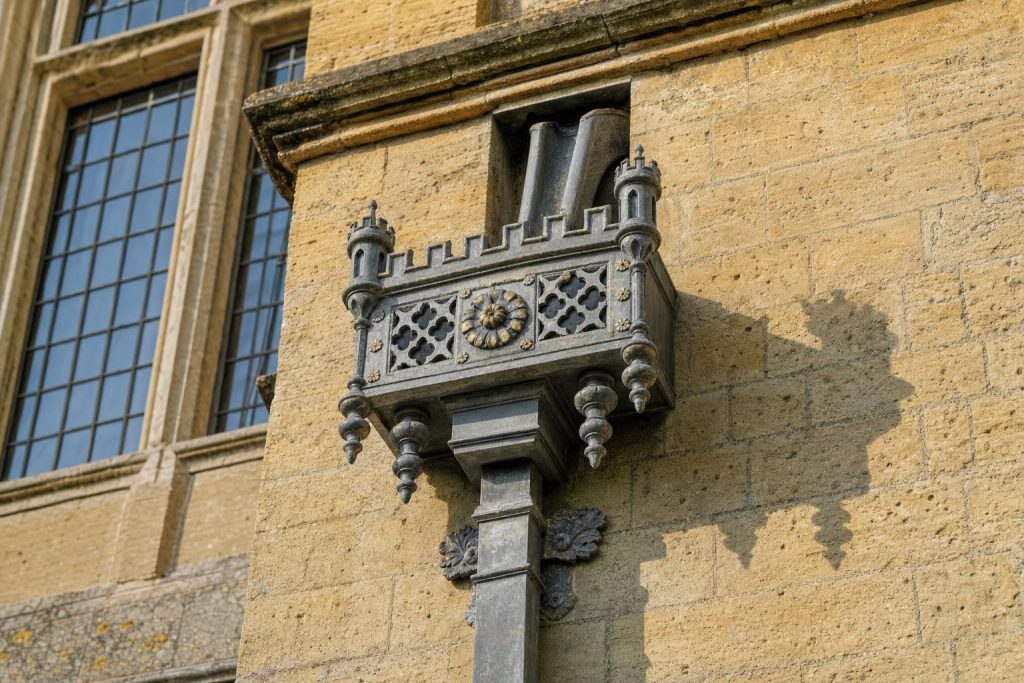
How to date historic hopper heads from material, fixings, ornament, dates and initials, why cast dates mislead, and how to record and copy cast them.

How to date historic hopper heads from material, fixings, ornament, dates and initials, why cast dates mislead, and how to record and copy cast them.
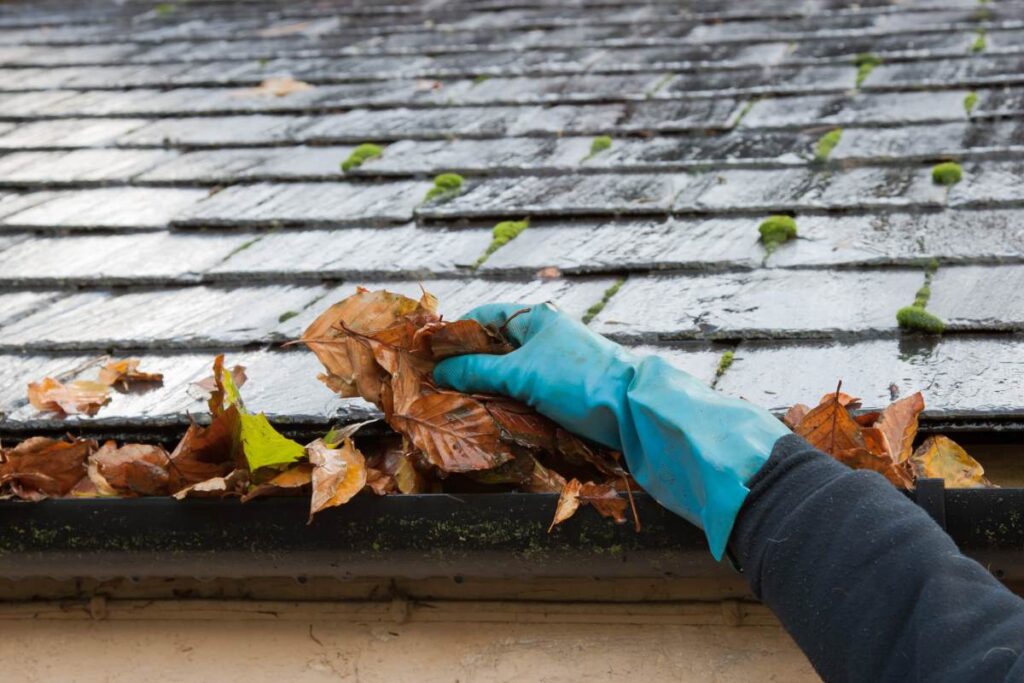
Why frost splits cast iron downpipes, sockets and hopper heads, why the damage usually shows in spring, and the pre-winter checks, like-for-like repairs and paint upkeep that prevent it on listed and period buildings.
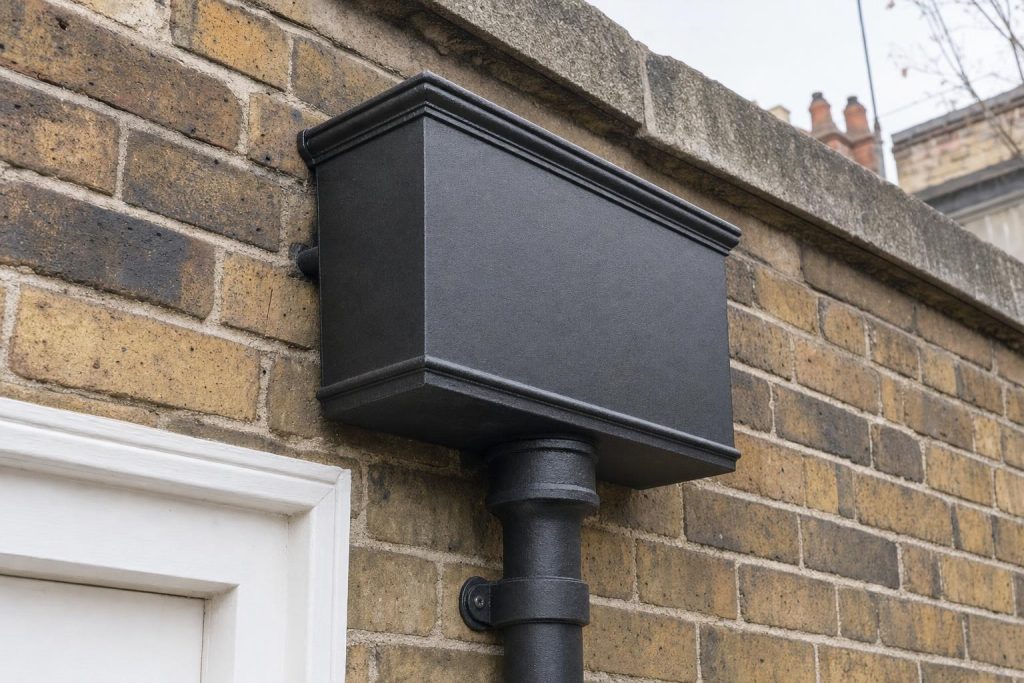
How to take water from a parapet or flat roof outlet into a cast iron hopper head: the traditional lead chute, shallow and side-outlet patterns, and rear-inlet hoppers made to order, with the overflow risk explained.

Discover the intricate world of parapet gutters and flat roof drainage on historic buildings, from Georgian terraces to Victorian bathhouses. This technical guide delves into the hidden mechanisms that keep these architectural marvels dry, exploring the construction and maintenance of box gutters, valley gutters, and lead flats.
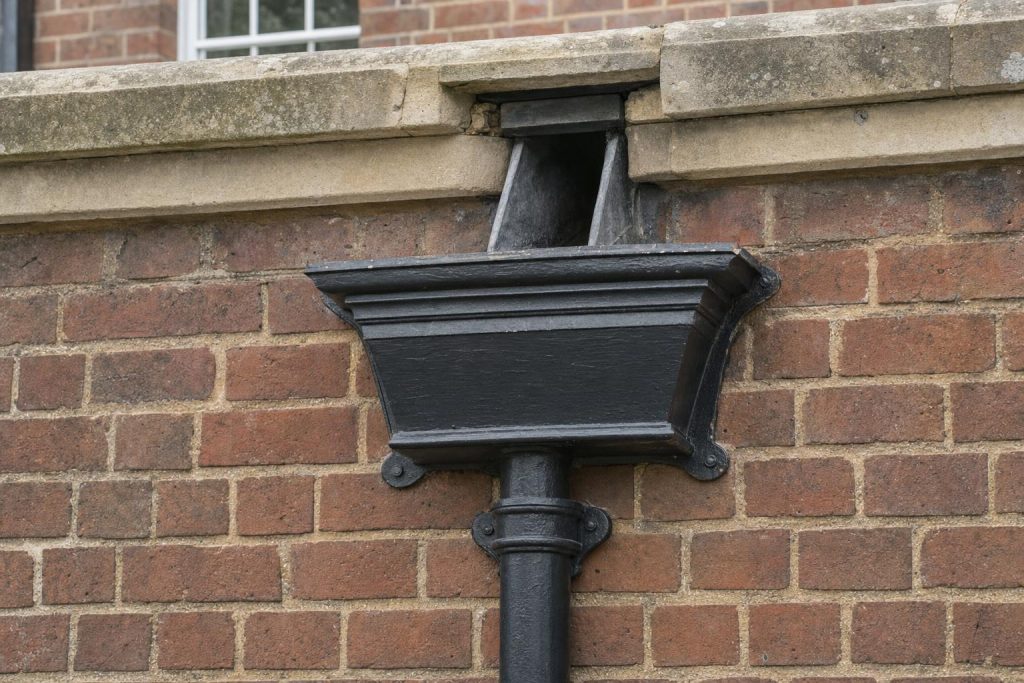
Hopper head capacity is determined less by how much water the head can hold than by how much it can discharge. A hopper is a collecting box: water rises inside it until the depth above the outlet pushes the incoming flow down the pipe.
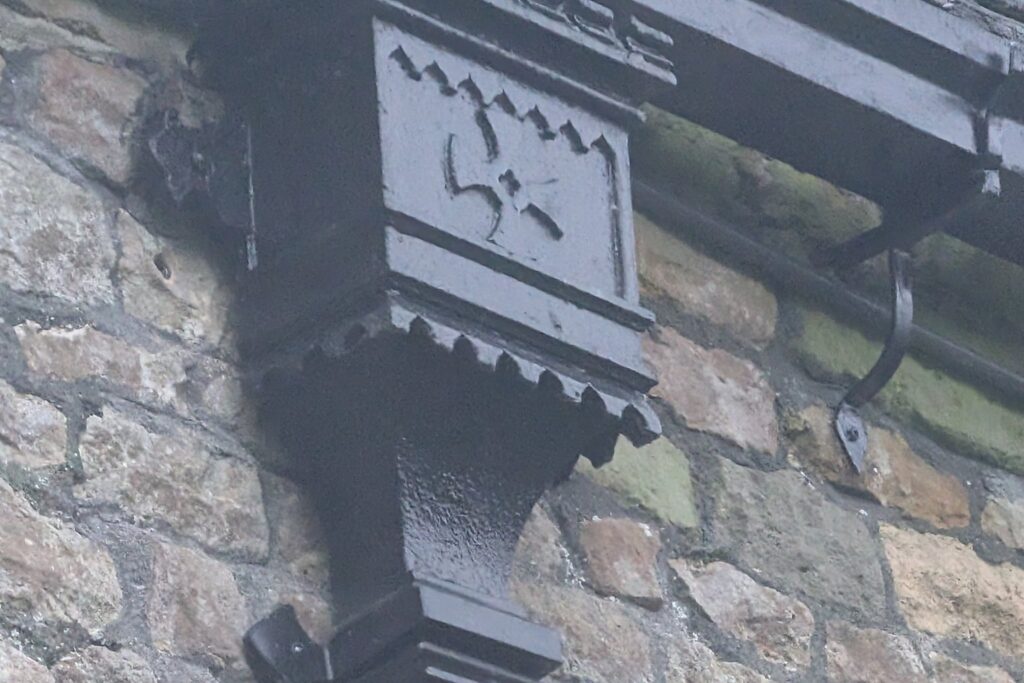
A field checklist for builders, roofers and heritage contractors: how to identify the gutter profile and pipe size, count every length and fitting, record brackets, offsets and hopper heads, photograph the right details, and know when to book a site survey instead.
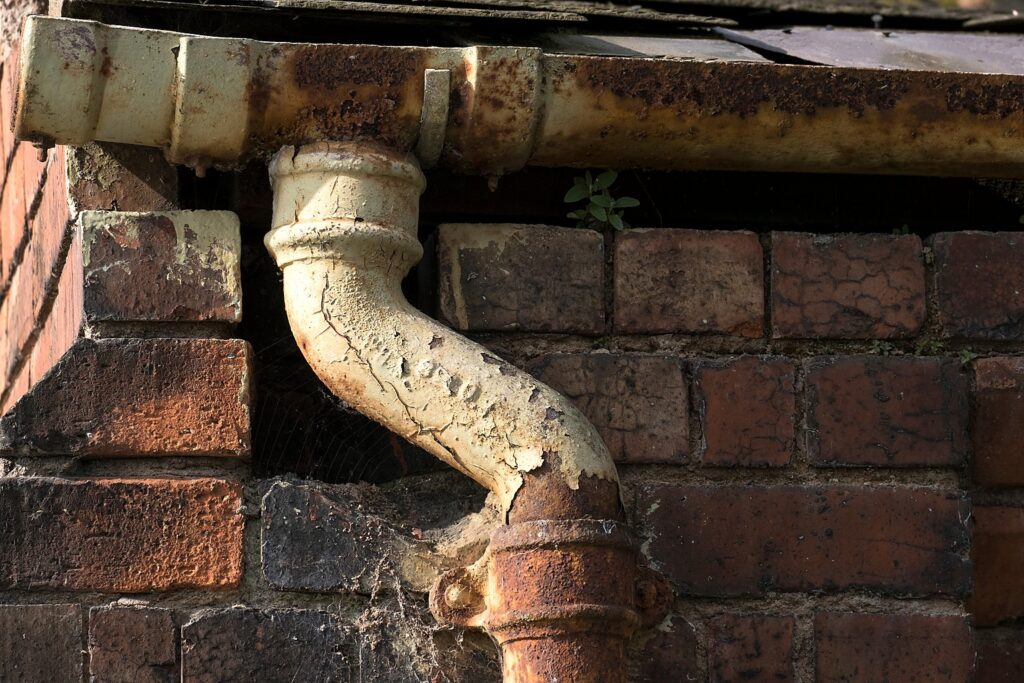
Cast iron guttering rarely fails without warning. Here are ten signs you can check from the ground this autumn, what each one means, what happens if it is left through the winter, and whether repair, replacement or a site survey is the right next step.
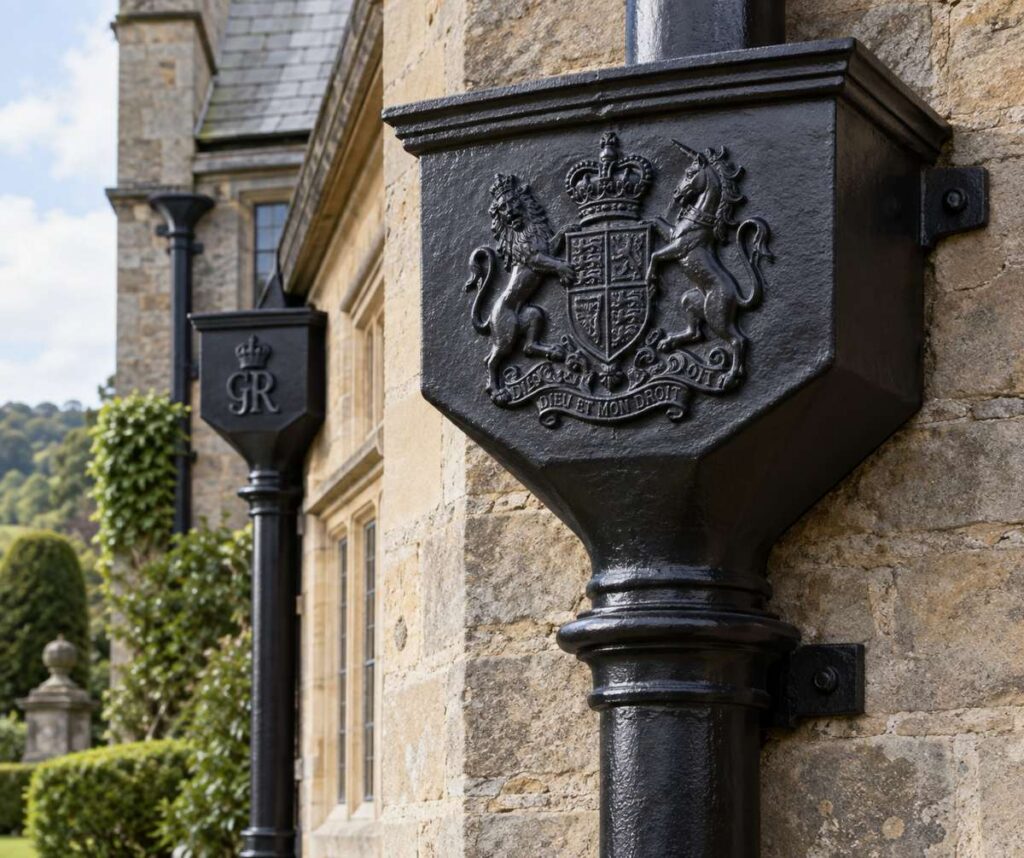
How bespoke armorial, monogrammed and dated cast iron hopper heads are designed, patterned and cast – with the permissions, conservation and approval questions set out plainly.

Perthshire boasts one of Scotland’s richest concentrations of listed buildings, each facing unique challenges from the region’s steep rainfall gradients. This guide delves into the essential specifications for cast iron rainwater systems,
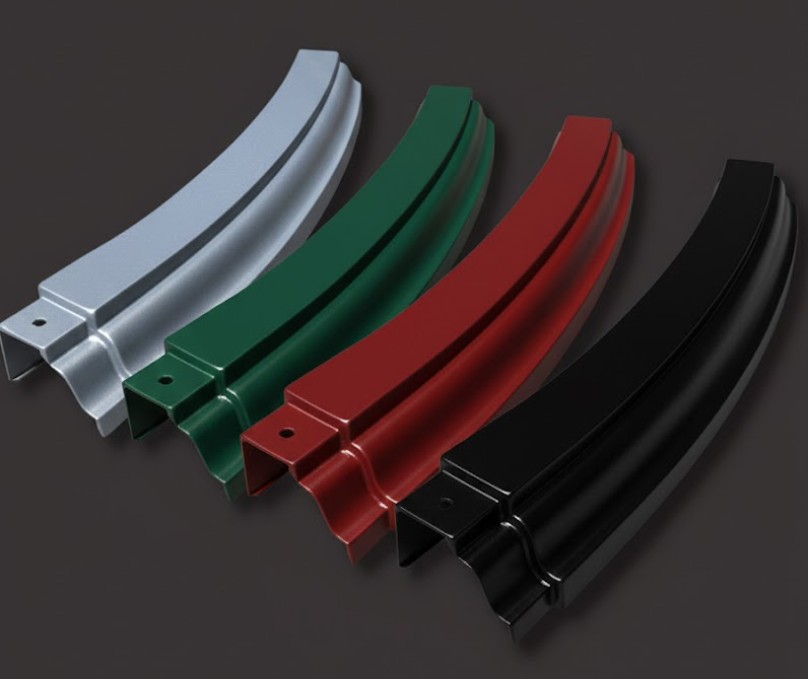
The standard range of cast iron gutter profiles, downpipes, and hopper heads covers the vast majority of period and listed building requirements. But where an existing system uses a non-standard profile, a distinctive decorative detail, or a configuration that cannot be matched from stock, bespoke and copy casting provides the solution. Tuscan Foundry specialises in […]

Discover the art of bespoke cast iron rainwater systems, where heritage meets craftsmanship. When a Victorian ogee gutter fractures or a family crest hopper head is damaged, authentic restoration becomes essential.