The Brass Rooflight Hand Winder Opener – Telescopic is available in 150mm, 250mm, and 300mm sizes. The telescopic mechanism provides flexibility to accommodate varying rooflight positions and throw requirements. Throw: 165mm.
Established 1893 | BS 460:2002 Certified | UK & International Supply | Expert Technical Support | 0333 987 4452
£240.39 – £559.46Price range: £240.39 through £559.46 +VAT
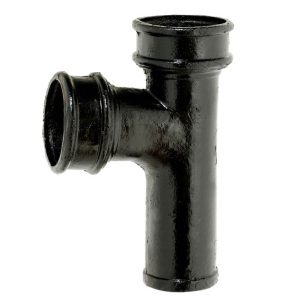
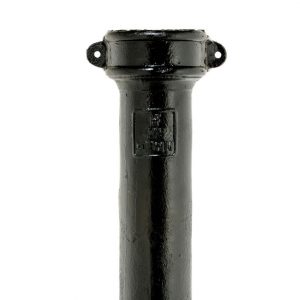
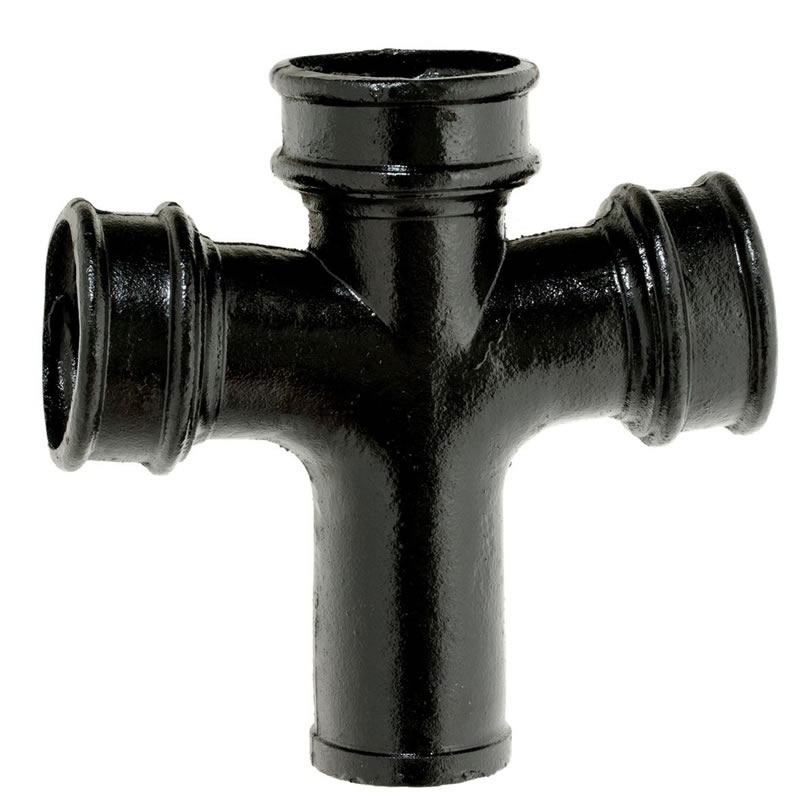
Premiere LCC Soil Range provides a comprehensive offering of traditional socket and spigot pipes and fittings for soil and waste installations on the external facade of buildings.
The LCC Soil Eared Shoe is the eared termination fitting at the base of a cast iron soil pipe stack, directing the flow from the vertical pipe run into the underground drain or gully. The shoe deflects the pipe from vertical towards horizontal or at an angle, and the integral ears allow it to be fixed directly to the wall base or plinth without a separate bracket. The shoe is typically the lowest fitting in the above-ground soil pipe system.
Available in the standard LCC diameter range. Manufactured in cast iron. For listed and period buildings where a cast iron LCC soil system is the correct specification. For specification support, call 0333 987 4452.
The Brass Rooflight Hand Winder Opener – Telescopic is available in 150mm, 250mm, and 300mm sizes. The telescopic mechanism provides flexibility to accommodate varying rooflight positions and throw requirements. Throw: 165mm.
The handle is compatible with Lumen Rooflights and most pole-operated rooflight and skylight systems. If you are unsure whether it suits your specific rooflight, call us on 0333 987 4452 and we can advise.
It is possible for us to supply towel warmers with an electric heating element in them. The Electrad system is a unique system available to us, that enables independent heating of towel rails and radiators via the properties electrical system.
Yes. All our mild steel brackets are supplied in either silver or black zinc plate. This coating protects the metal however, both will need painting prior to installation.
We have chosen to use zinc plating for two reasons; firstly that it is a more environmentally friendly than galvanising and secondly that it does not block up the threaded part of the rise and fall cups in the way that galvanising does.
The opener is designed for use with Lumen Rooflights and compatible timber-framed skylights. The telescopic shaft and adjustable mounting bracket allow it to be fitted to a range of rooflight frames. If you have a specific rooflight model, call us on 0333 987 4452 to confirm compatibility.
Casting of iron is an imperfect processs. It is possible with some cast iron radiators that you will get minor imperfections in the surface finish. When radiators are painted this will reduce and over the years every additional coat of paint applied will provide a smoother more equal finish.
The Antique Black finish suits Victorian, Edwardian, and inter-war buildings where ventilation ironwork was painted rather than polished — estate houses, terrace housing, civic buildings, and rural properties. It is also correct for listed buildings and conservation area properties requiring like-for-like replacement of original ornamental cast iron vents.
The satin chrome telescopic rooflight hand winder is well suited to contemporary and transitional interiors where a brushed chrome finish complements modern or minimal ironmongery. It is compatible with Lumen Rooflights and timber-framed skylights.
A pole winder opener has a fixed-length arm, making it suited to standard rooflight positions with a consistent throw. A telescopic opener has an adjustable shaft, allowing it to accommodate varying rooflight positions and throw requirements. For guidance on which suits your project, call 0333 987 4452.
The Cast Iron Louvre Airbrick suits Victorian and Edwardian terraced housing, semi-detached properties, public houses, agricultural buildings, and workshop structures where the original airbrick was a louvre-face grille. The horizontal fin profile is widely found in British domestic and light industrial construction from the 1870s through to the 1950s.