Prices vary depending on size and finish. To get a quotation, please call 0333 987 4452 or use the contact form on the Tuscan Foundry website. The team can advise on the right specification for your project and provide a written quote.
Established 1893 | BS 460:2002 Certified | UK & International Supply | Expert Technical Support | 0333 987 4452
£19.81 – £21.32Price range: £19.81 through £21.32 +VAT
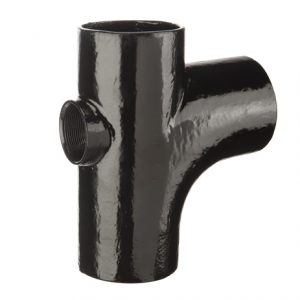
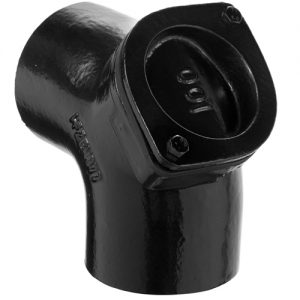
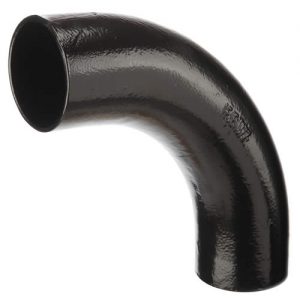
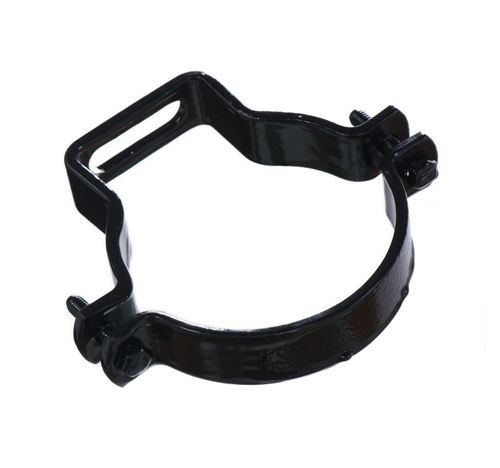
The Traditional Express cast iron soil product is an industry leading push fit soil system designed for a lifetime performance. The contemporary cast iron system provides the aesthetic appearance of traditional cast iron soil systems and is suitable for Listed properties and conservation projects.
The push fit system provides substantial savings in labour for each joint and no specialist training is required for installation.
100mm diameter socketless pipes are available in 1.8m & 3m lengths and are supplied pre-painted in a black gloss finish. Compared to the traditional LCC soil system, our Traditional Express soil system is lighter and therefore slightly easier to handle and install. However, Traditional Express retains all the inherent qualities of cast iron including strength and longevity as well as the environmental benefits that cast iron offers over other modern materials.
Provided that your Traditional Express cast iron soil system is correctly installed and maintained you should receive a lifespan of more than 100 years. It is this long life that makes cast iron a long term, cost effective choice and it is 100% recyclable at the end of its life.
In addition to the other benefits offered by our Traditional Express soil system, it provides low noise levels due to the sound deadening properties of cast iron.
Applicable standards and codes of practice
BS 416 part 2 – Soil, waste and ventilating pipes and fitting
BS EN 681 – 1 Synthetic rubber gaskets
BS EN 12056 – Codes of practice for gravity drainage systems, internal buildings
Prices vary depending on size and finish. To get a quotation, please call 0333 987 4452 or use the contact form on the Tuscan Foundry website. The team can advise on the right specification for your project and provide a written quote.
The Pultney Tapered Hopper Head is well suited to Georgian and Regency townhouses, Victorian terraces, rural farmhouses, barns, and functional estate buildings where a plain, period-correct hopper is the appropriate specification. It also works well on new heritage-style construction. Its unfussy, chamfered form makes it a versatile choice across a wide range of traditional building types.
The Cast Iron Louvre Airbrick suits Victorian and Edwardian terraced housing, semi-detached properties, public houses, agricultural buildings, and workshop structures where the original airbrick was a louvre-face grille. The horizontal fin profile is widely found in British domestic and light industrial construction from the 1870s through to the 1950s.
Select your required size and finish options from the product page and add to cart for an instant price. For project quantities, bespoke requirements, or any specification queries, please call 0333 987 4452 or use the contact form at tuscanfoundry.com.
Polished chrome has a bright mirror finish, while satin chrome has a brushed, low-sheen appearance. Both are available in the telescopic hand winder range. The finish choice typically depends on the ironmongery specification for the project.
The Paxton H82 is a large-format hopper with decorative collar mouldings, making it particularly well suited to late Victorian and Edwardian buildings where the rainwater system forms part of the architectural composition. Typical applications include commercial heritage buildings, civic buildings, large detached houses, institutional premises, and warehouse conversions where a more substantial fitting is appropriate.
Prices are shown on each product page. For project quantities, bespoke specifications, or conservation-related queries, please call us on 0333 987 4452 or use the contact form on our website.
Yes. Polished brass ironmongery is historically appropriate for period buildings and is generally acceptable to conservation officers for listed building projects. If you require confirmation for your specific scheme, we are happy to advise — call 0333 987 4452.
Yes. The ornamental foliate pattern was widely used in Victorian construction and is appropriate for Grade II listed buildings and conservation area properties. Its decorative character is often preferable to a plain pattern on prominent or formal elevations. We recommend confirming the pattern with your conservation officer as part of any listed building consent application.
The right size depends on the width of your gutter run and the volume of water you need to collect. The Strayton H42A is available in four widths: 305mm (12"), 355mm (14"), 457mm (18"), and 610mm (24"). As a general guide, wider hoppers suit larger roof areas and heavier rainfall zones. If you are unsure, our team can advise based on your gutter profile and catchment area — call 0333 987 4452.