
Conservation Rooflights: What Councils Require (Local Guidance Compared)
Planning authorities publish their own rules on rooflights, and they differ in the detail. This chapter brings together the written guidance of more than twenty councils and national park authorities across England, Wales and Scotland, with links to every source document, so you can see what your officer is likely to expect before you draw anything.
In summary
Almost every authority that publishes rooflight guidance asks for the same four things: a flush conservation rooflight with a slim black metal frame and a central glazing bar; a position on the rear or least visible slope; the minimum size and number, aligned with the windows below; and listed building consent wherever the building is listed. Several go further, ruling out rooflights on the front slope of listed buildings altogether, asking for original cast iron rooflights to be kept and repaired, or removing permitted development rights through Article 4 directions. Always read your own authority’s guidance, and the conservation area appraisal if there is one, before you apply.
On this page
What councils agree on
Read side by side, the published guidance is remarkably consistent:
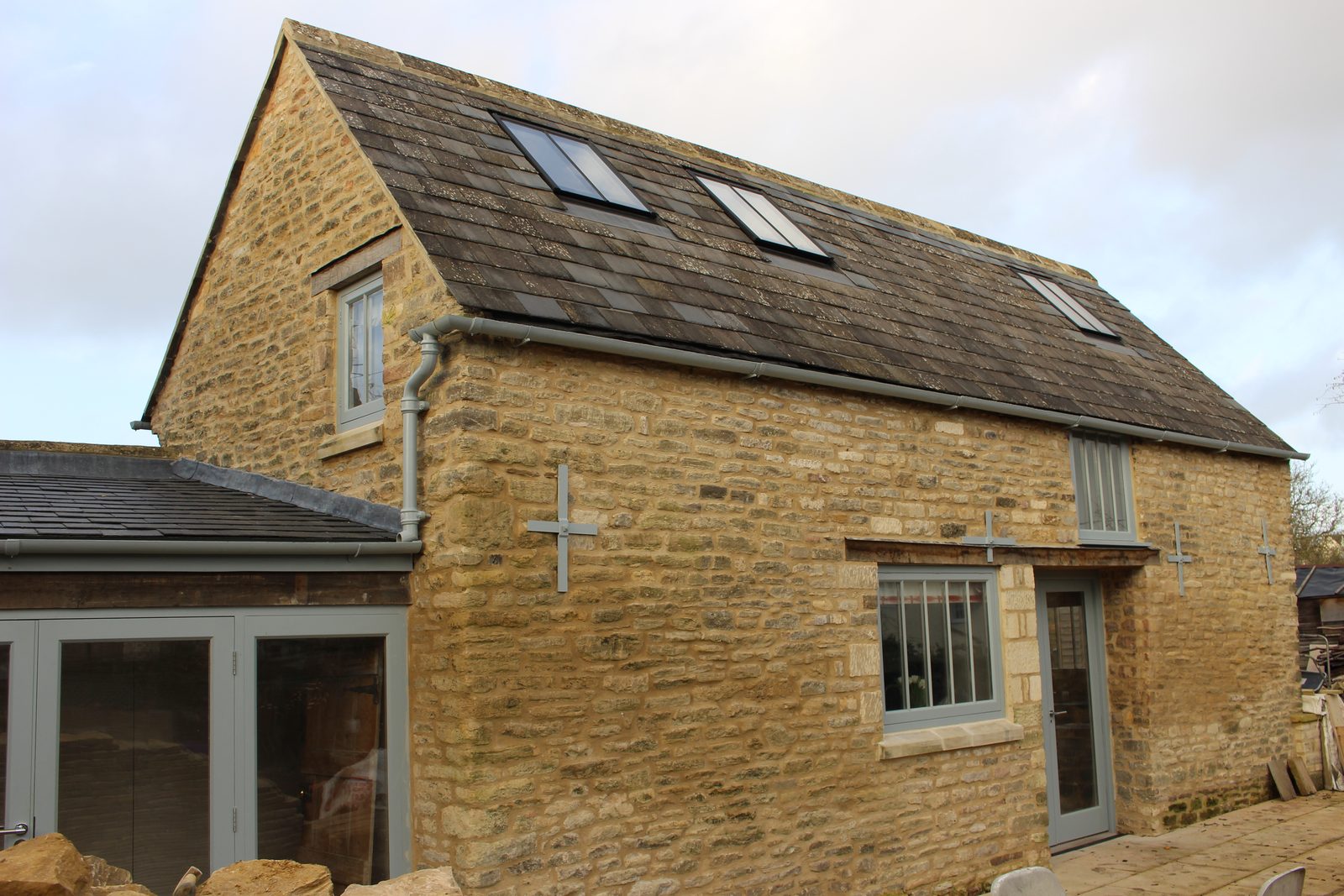
- Type. A conservation rooflight that sits flush with the roof covering, with a slim dark metal frame, a central vertical glazing bar and portrait proportions. Several authorities rule out centre-pivot windows and non-metal frames on listed buildings.
- Position. Rear or least visible slopes, not the front slope of a listed building, set within the middle of the slope and clear of the ridge, verges, eaves and chimneys.
- Size and number. The minimum needed, not clustered or stacked, and aligned with the windows or openings below.
- Fabric. No cutting of historic timbers, and original cast iron rooflights kept and repaired where they survive.
- Consent. Listed building consent for any new rooflight on a listed building, and planning permission where Article 4 directions apply.
The tables below summarise each authority’s guidance in our own words. Wording, dates and status change, so always open the source document.
England: councils
| Authority | Document | Key points |
|---|---|---|
| North Yorkshire Council (former Harrogate area) | CD Guidance Note 1: Conservation Rooflights (2020) | Never on the front slope of a listed building. Flush, slim black steel frame, central bar, top-hung, lead flashings. Centre-pivot and aluminium units not acceptable on listed buildings. Middle third of the slope, between rafters. Consent always needed, including to replace a conservation unit with a lesser one. |
| North Norfolk District Council | North Norfolk Design Guide: Rooflights and Lanterns | Flush and visually recessive. Conservation style is the default on listed buildings and in conservation areas. Used sparingly, not clustered, aligned with openings below. |
| Mid Sussex District Council | Dormer Window and Rooflight Design Guidance (2018) | Listed building consent for any rooflight on a listed building. A small flush metal conservation rooflight is recommended; timber and other non-metal units are generally refused. Rear or side slopes, minimum size. |
| Chichester District Council | External Alterations to Listed Buildings | An absolute minimum, on slopes not publicly visible, related to the windows below. Flush metal conservation type. No cutting of historic timbers. Not suitable on thatch. |
| Brighton & Hove City Council | SPD12 Design Guide for Extensions and Alterations (2020) | Conservation rooflights lying flat in the roof. Rear slopes, occasionally sides, front only where typical of the street. Aligned with windows below and few in number. Listed buildings assessed case by case. |
| London Borough of Lambeth | Design Guide SPD Part 4 (2023) | Subordinate, aligned and preferably at the rear. Not on ornate roofs or where uncharacteristic of a heritage asset. Where allowed: small, flush, slim black metal frame with a vertical bar. |
| London Borough of Camden | Home Improvements CPG (2021); Belsize Conservation Area Design Guide | Flush in conservation areas. Rear slopes where the front is prominent. In Belsize, an Article 4 direction means any front or street-facing side rooflight needs permission, even a flush conservation type. |
| Southend-on-Sea City Council | Conservation area design guidance | Rear slopes only, not visible from the street. Flush conservation style, away from chimneys, gables and eaves. Generally inappropriate on unbroken street roofscapes. |
| Coventry City Council | Householder Design Guide SPD (2023) | Flush and on rear slopes, not dominant from the street. Roof alterations may be unacceptable in conservation areas; check the appraisal. |
| Cotswold District Council | Cotswold Design Code | For barn conversions: the absolute minimum of modest, flush conservation-style rooflights, in preference to dormers. |
England: national park authorities
| Authority | Document | Key points |
|---|---|---|
| Peak District | Detailed Design Guide: Alterations and Extensions | Conservation rooflight with slim frame and central vertical bar, portrait. Minimum size and number. Rear slopes, below the mid-line, clear of ridge, verges and eaves, aligned with windows below. |
| Yorkshire Dales | Yorkshire Dales Design Guide | Traditional size, vertical proportion, black metal frame with central bar, flush. Valleys or less visible slopes. Warns against overuse harming village roofscapes. |
| North York Moors | Design Guide Part 2: Extensions and Alterations (2008) | Prefers reproduction cast iron conservation-style rooflights and asks for old cast iron rooflights to be retained and refurbished. Middle third of the slope, least visible slope, flush with correct flashings. |
| South Downs | Design Guide SPD (2022) | No significant projection above the roof plane, evenly spaced, not dominant. Street-facing rooflights kept to the rear unless locally characteristic. Dark-skies policy can limit rooflights. |
| New Forest | Design Guide SPD (2021 consultation draft) | Flush conservation style with a narrow bar, top or side hung rather than pivot. Large modern units unacceptable near the Open Forest because of dark skies. |
| Dartmoor | Dartmoor Design Guide (2011) | For farm building conversions, flush rooflights on the least visible slope are preferred to dormers. |
Wales
| Authority | Document | Key points |
|---|---|---|
| Pembrokeshire Coast National Park | Conversions in the Countryside SPG (2026) | Rooflights only where extra daylight is genuinely needed, discreet and flush, keeping roof lines largely unbroken. Dormers generally not allowed. |
| Vale of Glamorgan Council | Residential and Householder Development SPG (2017 draft); Penarth Conservation Area Appraisal (2011) | Flush-fitting in conservation areas and on listed buildings, generally away from main elevations, evenly spaced and matching. In Penarth, an Article 4(2) direction brings rooflights on street-facing roofs under planning control. |
| Gwynedd Council | SPG: Conversion of buildings in open countryside (2009) | Roof windows generally not approved in rural conversions; a rooflight may be considered only where it is the sole source of daylight, with its impact reduced. Stricter control on listed buildings and in conservation areas. |
Scotland
| Authority | Document | Key points |
|---|---|---|
| City of Edinburgh Council | Listed Buildings and Conservation Areas guidance (consultation draft, 2025) | Rooflights generally preferred to dormers, but not on largely unaltered slopes. Conservation style with a central glazing bar, near-flush and of an appropriate scale. |
| Dumfries and Galloway Council | Conservation Area Guidance | Keep existing traditional iron rooflights. New rooflights only with traditional size and detail; large modern units are intrusive. |
National guidance
England. Historic England’s homeowner advice on converting a loft recommends avoiding rooflights and dormers on the front slope, keeping roof changes to a minimum, and talking to the council early, as listed building consent will probably be needed. It leaves the detailed specification to local authorities.
Wales. Cadw’s Managing Change to Listed Buildings in Wales does not deal with rooflights specifically. Its general principles apply: new work should respect the building’s character, and consent is needed where character is affected.
Scotland. Historic Scotland’s 2010 Managing Change in the Historic Environment: Roofs advises avoiding new features on main or prominent slopes, prefers valleys and secondary slopes, describes traditional rooflights as small, low-profile and portrait, and asks for the cumulative effect along a street to be considered. Check with Historic Environment Scotland whether a newer edition applies.
Article 4 directions
In many conservation areas, a householder can add a rooflight that does not project far above the roof plane without planning permission. An Article 4 direction removes that freedom for specified changes, often on roofs facing a street or open space. Camden’s Belsize area and Penarth in the Vale of Glamorgan are examples above. Your council’s website lists the directions in force; the conservation area appraisal usually explains them.
Listed buildings are different: any rooflight that affects the character of a listed building needs listed building consent regardless of permitted development. The permissions guide sets out the routes in each UK nation.
How to use local guidance
- Find your authority’s documents. Search the council website for design guides, householder SPDs, listed building advice notes and the appraisal for your conservation area.
- Check the status and date. Adopted guidance carries more weight than a consultation draft; older guidance may have been replaced.
- Design to the strictest rule that applies. If the appraisal is stricter than the general design guide, follow the appraisal.
- Quote the guidance in your heritage statement. Show how the proposed rooflight meets each point: type, position, size, number and fixing.
- Talk to the officer early. Many authorities offer pre-application advice; a sketch and a product sheet usually settle the main questions.
Our specification guide turns these common requirements into a checklist you can use with any authority.
Where to go next
For the roof covering and flashing details officers ask about, see rooflights for slate, tile, pantile and stone roofs. Where an original survives, see original cast iron rooflights. Or return to the Conservation Rooflight Guide.
Speak to the manufacturers directly
The Rooflight Co. — Bourton-on-the-Water, Gloucestershire. Makers of The Original Conservation Rooflight, the Conservation Egress side-hung escape unit and the Conservation Plateau for flat roofs. Tel 01993 833155 · hello@therooflightco.com · therooflightco.com · Index listing
Clement Windows Group — Haslemere, Surrey. Makers of the Clement Conservation Rooflight in separate slate and tile profiles, with a published size and price list and a showroom in Haslemere. Tel 01428 643 393 · info@clementwg.co.uk · clementwindows.co.uk · Index listing
Enquiries go straight to the manufacturer. Tuscan Foundry is not a rooflight supplier and receives no commission; we feature these two because their conservation ranges are made for exactly the buildings this guide covers.
Tuscan Foundry supplies cast iron gutters, downpipes and hopper heads to BS 460 for listed and traditional buildings, with an in-house linseed oil paint finish. Damp that is blamed on a rooflight is often a blocked or overflowing gutter soaking the wall below, so the same inspection should take in the rainwater goods. If the roof is scaffolded, it is the cheapest moment to repair or replace them; stock items dispatch promptly and bespoke castings take around 12–14 weeks.
Frequently asked questions
What do councils require for rooflights in a conservation area?
Most ask for a flush conservation rooflight with a slim dark metal frame and a central glazing bar, placed on the rear or least visible slope, kept to the minimum size and number and aligned with the windows below. Check your own council’s design guide and conservation area appraisal.
Can I put a rooflight on the front of a listed building?
Rarely. Many authorities resist rooflights on the front or principal slope of a listed building, and some rule them out entirely. Rear and secondary slopes are the usual place, and listed building consent is required.
Do I need planning permission for a rooflight in a conservation area?
Often not for a house, if the rooflight does not project far above the roof plane. But an Article 4 direction can remove that freedom, and flats, commercial buildings and listed buildings follow different rules. Check with your council.
Do councils accept a conservation-style roof window instead of a steel conservation rooflight?
Some authorities accept any flush unit with a dark frame and a central bar; others, especially for listed buildings, specify a slim steel frame, top hinge and genuine glazing bar, and reject pivot windows. Your officer’s view on the specific product is what counts.
Do councils want original cast iron rooflights kept?
Where they survive, yes. Several authorities, including the North York Moors and Dumfries and Galloway, ask for original cast iron rooflights to be retained and repaired. See original cast iron rooflights.
Where can I find my council’s rooflight guidance?
Search your council’s planning pages for design guides, householder SPDs, listed building advice notes and conservation area appraisals. If none mention rooflights, ask the conservation officer for pre-application advice.