Established 1893 | BS 460:2002 Certified | UK & International Supply | Expert Technical Support | 0333 987 4452
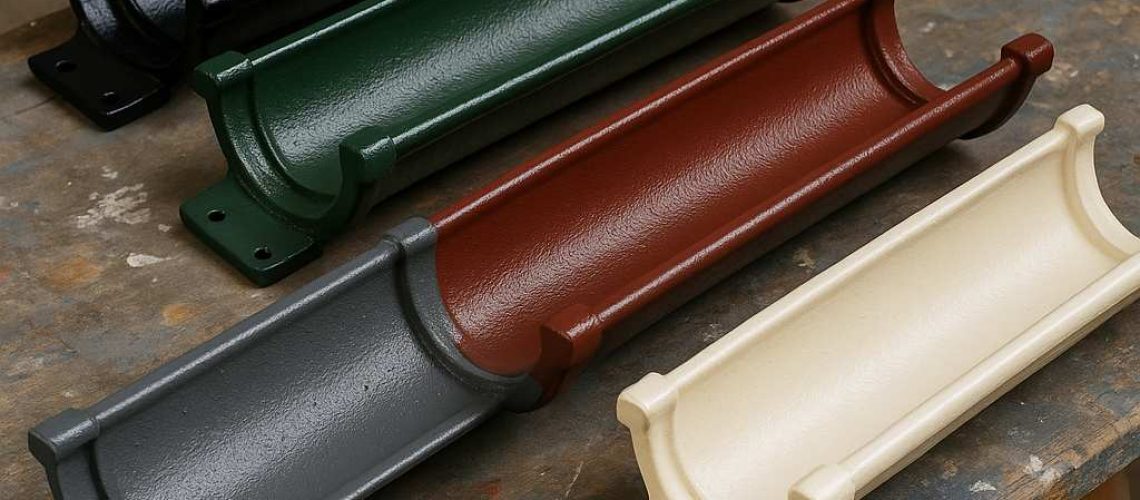
A traditional finish for heritage metalwork with modern-day environmental and performance benefits.
Why Choose Linseed Oil Paint?
Linseed oil paint is a time-tested finish, ideal for use on cast iron gutters, downpipes, hoppers and brackets. It’s a natural, breathable and sustainable product that offers:
Whether you’re restoring a listed property or looking for a durable, environmentally responsible coating, linseed oil paint is the superior choice.
Benefits for Historic Metalwork
Surface Finish
Feature | Linseed Oil Paint | Synthetic Paints |
Sheen | Soft satin | Often glossy/plastic |
Flexibility | High | Can crack or peel |
Longevity | Up to 30 years | Typically 5–10 years |
Eco-friendliness | Excellent | Often solvent-based |
Recoatability | Easy | Often requires full removal |
How to Maintain
Linseed oil paint is incredibly easy to maintain and does not require aggressive preparation or full removal like modern synthetic systems.
This low-maintenance approach makes linseed oil paint ideal for buildings where regular upkeep needs to be sympathetic to original materials and historic character.
Ideal for:
For more information on colours, application, or compatible ironwork, contact us:
Linseed oil paint is a time-tested finish used for centuries on architectural ironwork, providing an authentic finish suitable for conservation and listed buildings. It offers exceptional longevity (15–30 years), excellent protection against moisture and rust, breathability, and minimal environmental impact.
Linseed oil paint provides superior durability (up to 30 years vs 5–10 years), natural flexibility (avoiding cracks and peeling), high eco-friendliness (no harmful VOCs or solvents), and easy recoatability without full removal. Synthetic paints often require aggressive preparation and full removal before repainting.
Linseed oil paint produces a soft, low-gloss finish that complements traditional building materials. Unlike synthetic paints, it reveals subtle detailing and provides a natural, understated finish that ages gracefully, developing a rich patina over time rather than flaking or cracking.
Yes, linseed oil paint is highly breathable, allowing moisture vapour to escape while preventing water ingress. This reduces rust risk and is particularly important on cast iron, where trapped moisture can accelerate corrosion. Synthetic paints often seal moisture within, causing rust formation beneath the coating.
Linseed oil paint is incredibly easy to maintain. Routine inspection annually, gentle cleaning with warm water and mild soap, and light wiping with boiled linseed oil every 5–7 years revives colour and sheen. Repainting is simple—just clean and apply fresh coat directly over existing surface with no sanding required.
Yes. Small chips or worn areas can be retouched easily with a small brush and fresh linseed oil paint, blending invisibly with the existing surface. This is one of the key advantages of linseed oil—touch-ups are simple and unobtrusive, unlike synthetic paints that often show patchy repairs.
Linseed oil paint is made from renewable flaxseed oil and natural pigments, containing no harmful VOCs, plasticisers or solvents. It’s fully biodegradable and environmentally responsible. Additionally, its long lifespan and easy recoatability mean fewer replacements over time, reducing overall environmental impact.
Linseed Oil Paint Colour Chart
38 historically accurate colours across seven families — Whites & Creams, Greys & Stones, Greens, Blues, Yellows & Ochres, Reds & Browns, and Blacks. Available factory-applied to all cast iron rainwater components.
↓ Download Colour Chart (PDF)