
Conservation Rooflight Strength and Durability: What Makes a Rooflight Last
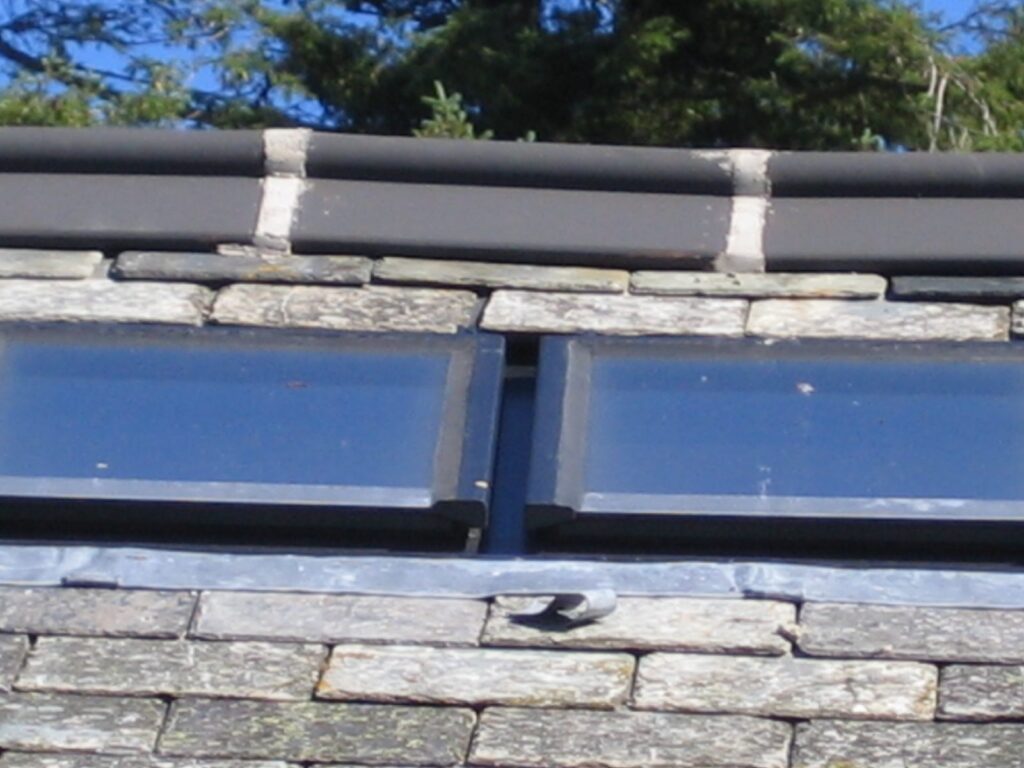
Tuscan Foundry has supplied cast iron for listed and period buildings since 1893. Our trade is rainwater goods, but almost every roof we look at carries something else as well: lead, slate, valleys and, more and more often, rooflights. Owners, architects and conservation officers regularly ask us what makes a conservation rooflight last. This page sets out what we have learned from the roofs we work on.
What the original rooflights teach us
The Victorian rooflight was a cast iron frame with a single pane of glass bedded in linseed oil putty. Many are still in place after 150 years. Where they survive, it is because the iron was thick, the design was simple and the frame was painted regularly. Where they fail, the causes are almost always the same: putty that has dried out, rust forming in the glazing rebate and cracking the glass, and broken or seized stays. None of these is a failure of the iron itself. They are failures of protection and maintenance, and the same is true of most modern rooflights.
What decides how long a modern conservation rooflight lasts
Today’s conservation rooflights are usually made in steel, with a slim outer profile that copies the cast iron original. Four things decide their life.
- Corrosion protection of the frame. Look for zinc-coated or galvanised steel under a factory paint or powder coat, and ask how cut edges, welds and drilled holes are protected. Corrosion nearly always starts at an edge, not on a flat face.
- The coating specification for the site. Coastal, exposed and industrial sites need a heavier or marine-grade finish. A rooflight within sight of the sea should not have the same specification as one in a sheltered inland valley.
- The glazing. Sealed double-glazed units fail at the edge seal long before the glass wears out, so the quality of the unit and how well it is drained and protected inside the frame matter. A toughened outer pane and a laminated inner pane are the usual safe combination over a room.
- The hardware. Winders, stays and hinges in brass or bronze resist corrosion far better than plated steel, and they are easy to service.
Installation is half of durability
A well-made rooflight badly fitted will leak within a few winters. The roof detail matters as much as the product: a properly formed upstand or kerb, lead flashings dressed to Lead Sheet Association guidance, soakers or side flashings that suit the covering, and a head detail that throws water clear rather than trapping it. Rooflights should never be bedded in mortar. Ask your roofer to follow the manufacturer’s fitting details exactly, and our installation chapter explains each junction.
Water does not stop at the rooflight. Everything that runs off the glass ends up in the gutter below, so a new rooflight is a good moment to check that the gutters, outlets and downpipes can cope. On a period building those are usually cast iron, which is where we come in. Our guide to rooflights, roof works and rainwater goods covers the sequence of work.
Testing: what to ask for
Weathertightness of rooflights in the UK is classified under BS 6375-1, which covers air permeability, watertightness and resistance to wind load. Do not accept “tested to BS 6375” on its own: ask for the class achieved in each test and for the test report. If anyone will need to walk on or work near the roof, ask whether the unit has been assessed as non-fragile. A good manufacturer will answer all of this without hesitation.
Looking after a conservation rooflight
- Inspect once a year, ideally in autumn when you check the gutters.
- Clear leaves and moss from the head and side channels so water drains freely.
- Touch up chips in the paint before rust can start, using a compatible paint system.
- Clean and lightly lubricate winders and hinges, and check the fixings are tight.
- Look for misting between the panes, which means a failed sealed unit.
Our maintenance guide goes into more detail, and the paint systems guide covers linseed oil and modern coatings for historic metalwork.
Questions to ask before you order
- What is the frame material and how is it protected, including at cut edges and welds?
- Is there a coastal or marine finish, and do I need it?
- What glazing is standard, and what is the expected life of the sealed unit?
- What classes did the rooflight achieve under BS 6375-1?
- Are the winders and hinges brass or bronze, and can parts be replaced later?
- What guarantee is offered on the frame, the finish and the glazing?
Where Tuscan Foundry fits in
We do not make rooflights. We are cast iron specialists who spend a great deal of time on listed roofs, and we share what we see. When a client needs a new conservation rooflight, we refer them to two makers we trust, The Rooflight Co. and Clement, and our Conservation Rooflight Guide covers consent, specification, glazing, installation and care in fifteen chapters. For the gutters, hoppers and downpipes that take the water away, we supply cast iron rainwater goods and can advise on the whole roof. Contact us with photographs and we will help where we can.
Frequently asked questions
How long should a conservation rooflight last?
A well-made steel conservation rooflight that is properly installed and maintained should give several decades of service. The sealed glazing unit is usually the first part to need replacing, and a good design lets it be changed without removing the frame.
Are cast iron rooflights still made?
Most new conservation rooflights are steel, made to the slim profile of the cast iron originals. Original cast iron rooflights on listed buildings should normally be repaired rather than replaced, and replacement may need listed building consent.
Why do steel rooflights rust?
Rust usually starts where the protective coating is broken: at cut edges, welds, fixing holes or chips in the paint. Zinc-coated steel under a good factory finish, and prompt touching up of damage, prevent most problems.
What does BS 6375 mean for a rooflight?
BS 6375-1 classifies windows and rooflights for air permeability, watertightness and wind resistance. Ask for the class achieved in each test rather than accepting a general statement that the product was tested.
Does Tuscan Foundry supply rooflights?
No. We specialise in cast iron rainwater goods for period buildings and refer rooflight enquiries to The Rooflight Co. and Clement. We are happy to advise on the roof as a whole.