Our cast iron hopper heads are available with 65mm, 75mm and 100mm round outlets, 75mm, 100mm and 125mm square outlets, and 100x75mm, 125x100mm and 150x125mm rectangular outlets, to match the downpipe already on site or specified for the project.
Established 1893 | BS 460:2002 Certified | UK & International Supply | Expert Technical Support | 0333 987 4452
£18.80 ex VAT (£22.56 inc VAT)
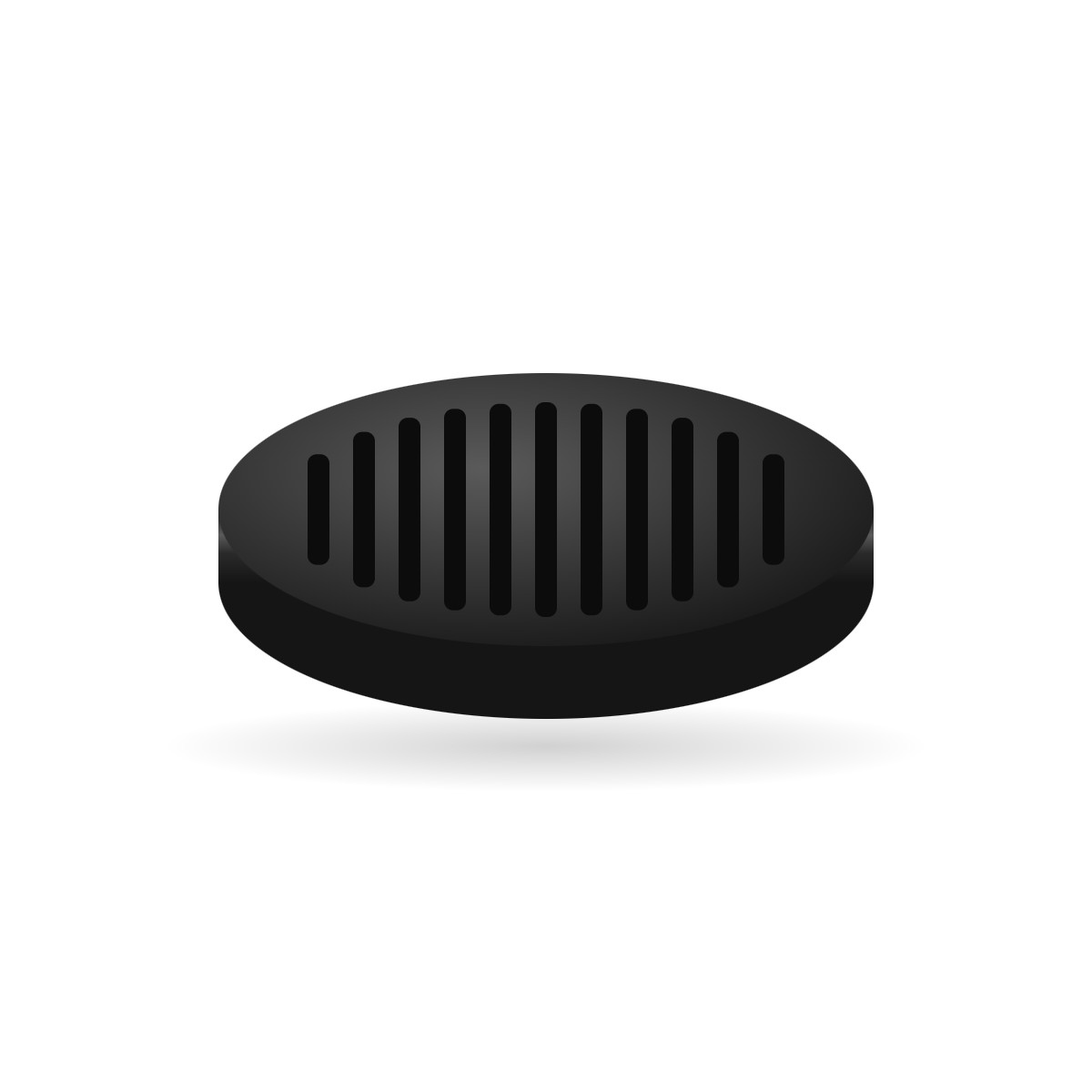
Socketless cast iron below-ground and suspended drainage system made to BS EN 877. Gully Grating. Cast iron, supplied factory coated.
Product code: HD8077.
UK delivery from £30. Fittings are despatched boxed. See delivery rates.
Tuscan EN877 Drain is a socketless cast iron drainage system made to BS EN 877, for below-ground drainage and suspended drainage runs in basements, undercrofts and plant areas. Plain-ended pipes and fittings are joined with bolted couplings. The result is a rigid, non-combustible system that resists crushing and root ingress, and copes with the loads found under buildings and hard landscaping.
A 200mm plain cast iron gully grating.
Product code HD8077. Nominal weight 1.8 kg.
Typical use: Letting surface water into a gully.
| Item | Product code | Nominal weight |
|---|---|---|
| Gully Grating | HD8077 | 1.8 kg |
Often used with: Trapped Gully, Gully Cover.
Comparing systems? Our guide to choosing a cast iron soil pipe system sets out how LCC, Traditional Express, mechanical BS 416 and EN 877 differ.
Prices are per item, excluding VAT and delivery. Stock items are usually dispatched within 5 to 7 working days, and non-stock sizes within 7 to 10 working days. For a full stack or drainage schedule, or advice on the right fittings, call 0333 987 4452 or use the contact form.
The product code is HD8077. Nominal weight 1.8 kg.
Use the grating where the gully collects surface water, and the solid cover where it takes a pipe connection only.
Our cast iron hopper heads are available with 65mm, 75mm and 100mm round outlets, 75mm, 100mm and 125mm square outlets, and 100x75mm, 125x100mm and 150x125mm rectangular outlets, to match the downpipe already on site or specified for the project.
Yes. Cast iron hopper heads are the historically correct choice for listed and period buildings, and a like-for-like cast iron replacement is generally accepted without objection by conservation officers. We manufacture to BS 460 for genuine heritage character and durability.
Half round gutter has a simple semicircular profile and is the most widely used pattern across all building types and periods. Ogee (OG) gutter has an S-shaped decorative profile, historically associated with Victorian and Edwardian properties. Moulded ogee profiles, such as the G46 and Regent No.16, have a more elaborate cross-section with additional mouldings and are typically found on larger or more architecturally significant buildings. The correct choice depends on what is already present on the building and any requirements set by a conservation officer.
Yes. Cast iron hopper heads are the historically correct choice for listed and period buildings, and a like-for-like cast iron replacement is generally accepted without objection by conservation officers. We manufacture to BS 460 for genuine heritage character and durability.
Please call 0333 987 4452 or use the contact form with the size, quantity and connection details, and we'll provide a quotation.
The H1 is available to accept round pipe connections in 65mm, 75mm, 100mm, and 150mm diameters. The 65mm and 75mm variants measure 305mm wide by 197mm deep and 210mm high. The 100mm variant measures 355mm wide by 230mm deep and 240mm high. A 150mm connection option is also available — please contact the team for dimensions.
Our cast iron hopper heads are available in a choice of finishes including primer, painted, and specialist heritage finishes. Please call us on 0333 987 4452 or submit an enquiry to discuss the right finish for your project.
Prices are shown on the product pages at tuscanfoundry.com. For volume orders or project pricing, please call 0333 987 4452 or use the contact form on our website.
The physical properties of cast iron are sustained throughout its working life, so with proper maintenance we'd expect our gutters and pipes to last over 100 years under normal conditions.
BTU stand’s for British Thermal Units. This was the old (Imperial) measurement for heat in connection with plumbing. Although BTU’s is a term still commonly used within the heating and plumbing, the industry is now going over to KW’s Kilowatts.