Yes. Polished brass is a historically appropriate finish for period and listed buildings and is generally acceptable to conservation officers. If your project requires specific confirmation, we are happy to advise — call 0333 987 4452.
Established 1893 | BS 460:2002 Certified | UK & International Supply | Expert Technical Support | 0333 987 4452
£150.84 – £430.64Price range: £150.84 through £430.64 ex VAT (£181.01 – £516.77 inc VAT)
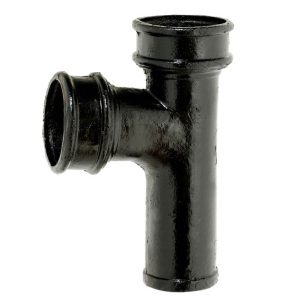
Premiere LCC Soil Range provides a comprehensive offering of traditional socket and spigot pipes and fittings for soil and waste installations on the external facade of buildings.
UK delivery from £30. Fittings are despatched boxed. See delivery rates.
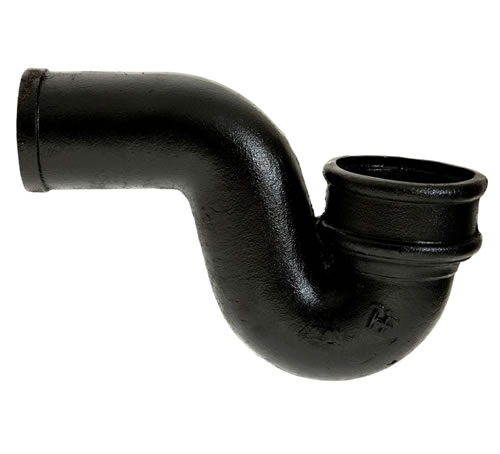
The LCC Soil P-Trap is a cast iron trap fitting that connects a sanitary appliance — typically a WC pan — to the soil pipe stack whilst providing the water seal required to prevent foul gases from the drain entering the building. The P-trap configuration has a water-retaining dip that maintains the gas seal under normal drain flow conditions.
An essential fitting on any soil installation where the LCC cast iron system is specified. The P-trap is available in 100mm (4″) diameter to suit standard WC connections in the LCC soil pipe system. Manufactured in cast iron. For specification support on listed building soil installations, call 0333 987 4452.
Yes. Polished brass is a historically appropriate finish for period and listed buildings and is generally acceptable to conservation officers. If your project requires specific confirmation, we are happy to advise — call 0333 987 4452.
The in-house Premier Extra coating is formulated for a life expectancy of around 10 years under normal weather conditions, provided any impact damage or surface scuffing is made good promptly. Coastal locations or higher pollution levels can shorten this, so it's worth asking your local stockist or paint manufacturer for site-specific advice.
Yes. Cast iron hopper heads are the historically correct choice for listed and period buildings, and a like-for-like cast iron replacement is generally accepted without objection by conservation officers. We manufacture to BS 460 for genuine heritage character and durability.
Our bespoke rise and fall gutter brackets — including fascia, side rafter, and top rafter variants for Osma Roofline and Osma SuperLine systems — are manufactured to order. The standard lead time is 10–14 working days from receipt of a confirmed order. If you have a programme deadline, please call us on 0333 987 4452 and we will advise on current availability.
The louvre face provides directional airflow and offers some resistance to driven rain entering the subfloor void, making it a practical choice for exposed elevations or properties in areas with significant prevailing wind and rainfall. The square-grid (school board) pattern offers a larger open ventilation area but less weather protection.
Polished chrome has a bright mirror finish, while satin chrome has a brushed, low-sheen appearance. Both are available in the telescopic hand winder range. The finish choice typically depends on the ironmongery specification for the project.
Our cast iron hopper heads are available in a choice of finishes including primer, painted, and specialist heritage finishes. Please call us on 0333 987 4452 or submit an enquiry to discuss the right finish for your project.
Yes. Cast iron airbricks are frequently specified for listed buildings and conservation area properties precisely because they replicate the material and pattern of the original Victorian and Edwardian ventilation grilles. Local conservation officers and building control typically accept like-for-like cast iron replacements without objection. We can provide product specifications and material datasheets to support applications.
Our cast iron hopper heads are available with 65mm, 75mm and 100mm round outlets, 75mm, 100mm and 125mm square outlets, and 100x75mm, 125x100mm and 150x125mm rectangular outlets, to match the downpipe already on site or specified for the project.
A hit and miss vent has a sliding plate on the back of the grille that can be opened, partially restricted, or closed entirely without removing the vent from the wall. This allows airflow to be controlled from inside the building, making it suitable for underfloor void ventilation and through-wall ventilation where adjustable airflow is needed.