Hopper heads are supplied in red oxide primer ready for on-site painting, or pre-finished in black. A full range of Heritage Colours in traditional linseed oil paint is also available on request — please contact us for the swatch chart.
Established 1893 | BS 460:2002 Certified | UK & International Supply | Expert Technical Support | 0333 987 4452
£13.32 – £38.22Price range: £13.32 through £38.22 +VAT
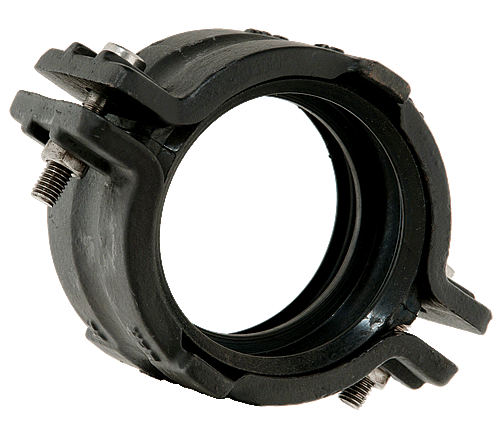
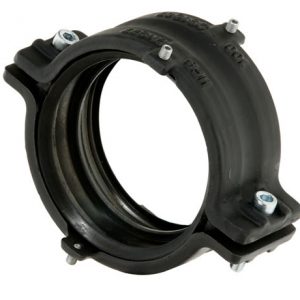
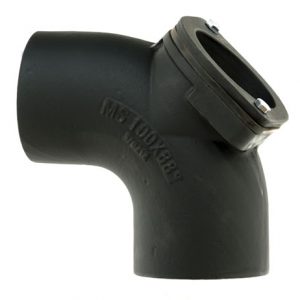
This cast iron soil range is a mechanically jointed, socketless system, especially suited for refurbishment projects including apartments, offices and multi-storey car parks.
Hopper heads are supplied in red oxide primer ready for on-site painting, or pre-finished in black. A full range of Heritage Colours in traditional linseed oil paint is also available on request — please contact us for the swatch chart.
Please call 0333 987 4452 or use the contact form with the size, quantity and connection details, and we'll provide a quotation.
Yes. Cast iron airbricks are the appropriate material for listed buildings and conservation area properties where the original ventilation grilles were cast iron. They maintain the character and material authenticity required by most conservation officers and listed building consent conditions. We recommend confirming the specific pattern with your conservation officer before ordering.
All of our cast iron radiators are availbale as standard with a 1/2″ BSP (15mm) connection. We are though also able to supply many of our radiators and valves with 3/4″ BSP connections. Due to the size proportions of some radiators and valves 3/4″ connections may be more suitable.
Tuscan Foundry's cast iron hopper heads are available in Standard Black and Heritage Colour finishes. A linseed oil paint finish is also offered — a sustainable, vapour-permeable option particularly appropriate for listed buildings and conservation projects. Heritage colour swatches are available from the team on request.
With National Maintenance week fast approaching (18th – 25th November 2011), Tuscan Foundry Products Ltd have decided to help period property owners look after rainwater systems by offering big discounts on selected cast iron gutters, pipes and fittings.
Friday 25th November is designated as National Gutters Day and on this particular day, homeowners are encouraged to check their systems for evidence of damage. Repairing sections of damaged cast iron gutter and pipe can help avoid potentially thousands of pounds of damage to brickwork.
Tuscan is offering these savings across a range of profiles and includes both primer and painted stock. The offers will only be available whilst stocks last so visit our website to view our discounted cast iron rainwater goods today.
For more information concerning National Maintenance Week visit the Society for the Protect of Ancient Buildings (SPAB) at www.maintainyourbuilding.org.uk

The Ornamental Airbrick is most appropriate on Victorian Gothic buildings — churches, chapels, vicarages, almshouses, collegiate buildings, and high-specification estate architecture — where decorative ironwork was part of the original design. It suits listed building replacements in kind and heritage new build where period accuracy in detailing is expected.
Prices are shown on the product pages at tuscanfoundry.com. For volume orders or project pricing, please call 0333 987 4452 or use the contact form on our website.
Yes. Cast iron airbricks are frequently specified for listed buildings and conservation area properties precisely because they replicate the material and pattern of the original Victorian and Edwardian ventilation grilles. Local conservation officers and building control typically accept like-for-like cast iron replacements without objection. We can provide product specifications and material datasheets to support applications.
The Cast Iron Louvre Airbrick suits Victorian and Edwardian terraced housing, semi-detached properties, public houses, agricultural buildings, and workshop structures where the original airbrick was a louvre-face grille. The horizontal fin profile is widely found in British domestic and light industrial construction from the 1870s through to the 1950s.