Skip to content
Tuscan Foundry Products Logo Black
Find out more about our products by giving us a call
0333 987 4452
Linkedin Envelope
  • About Us
  • Buildings
    • Churches
    • Industrial
    • Residential
  • Products
  • Support
  • Index
  • Contact
  • About Us
  • Buildings
    • Churches
    • Industrial
    • Residential
  • Products
  • Support
  • Index
  • Contact
£0.00 0 Basket
Tuscan Foundry Products Logo Black
  • About Us
  • Buildings
    • Churches
    • Industrial
    • Residential
  • Products
  • Support
  • Index
  • Contact
  • About Us
  • Buildings
    • Churches
    • Industrial
    • Residential
  • Products
  • Support
  • Index
  • Contact
£0.00 0 Basket

Established 1893   |   BS 460:2002 Certified   |   UK & International Supply   |   Expert Technical Support   |   0333 987 4452

Shop / Hardware & Spares / Lead Products / Vent Slate
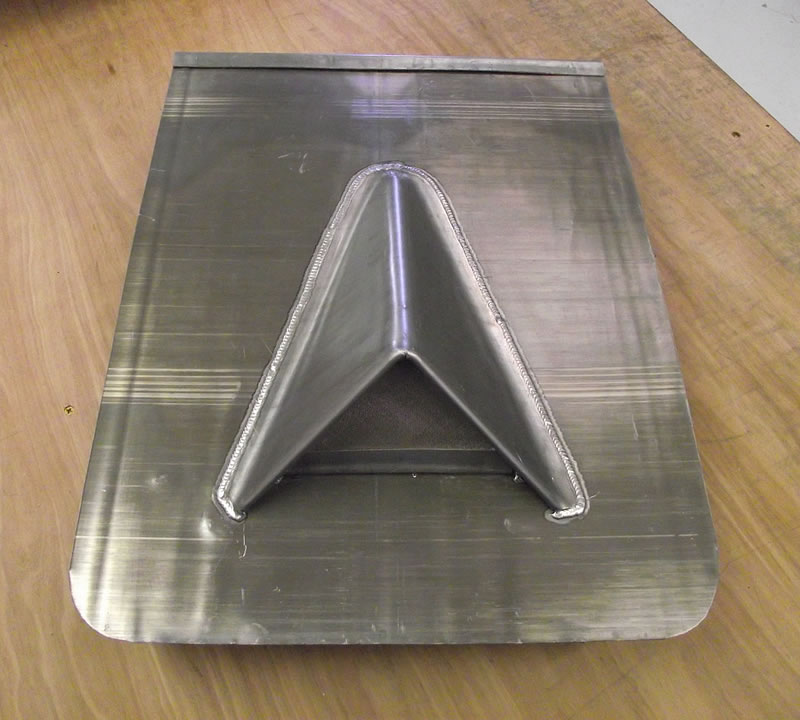
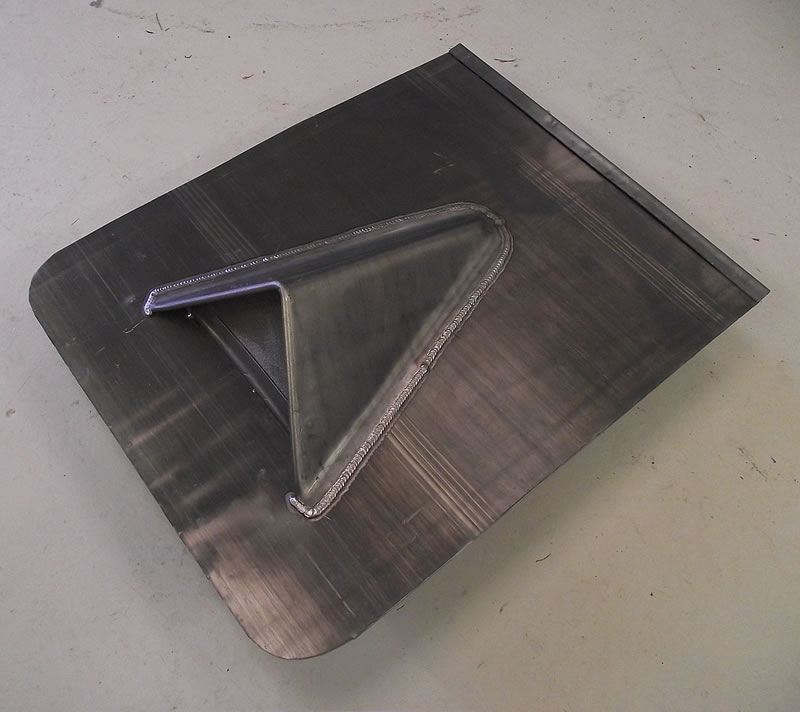
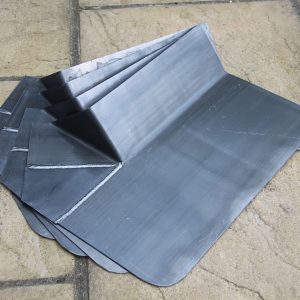
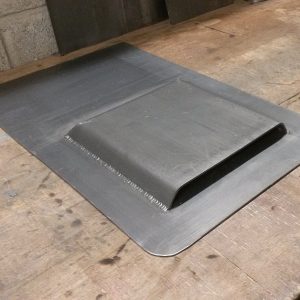
Lead Vent Slate
Lead Vent Slate
Lead Vent Slate
CODE LVS Category Lead Products

Vent Slate

Call for Price

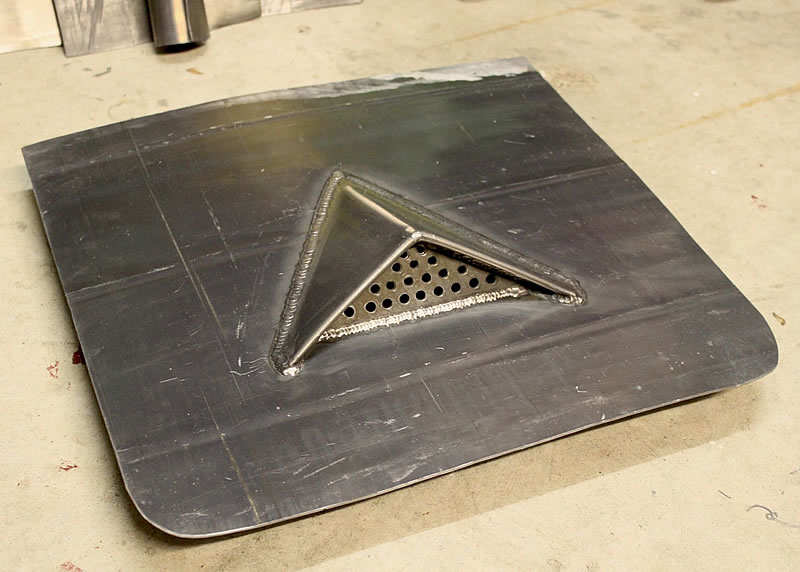
Suitable for roof pitches over 20°. Lower pitches would need extended overlaps fitted with insect mesh, ‘hole punched’ front plate can be done if wanted.

Suitable for roof pitches over 20°. Lower pitches would need extended overlaps fitted with insect mesh, ‘hole punched’ front plate can be done if wanted.

Additional information

FAQ Categories

  • Cast Iron Airbricks
  • Cast Iron Airvents
  • Cast Iron Hopper Heads
  • Gutter & Pipe Brackets
  • Gutters & Pipes
  • Heating
  • Rooflight Openers
All FAQ
Are ornamental cast iron vents suitable for listed buildings?

Are ornamental cast iron vents suitable for listed buildings?

Yes. Cast iron ornamental vents in period patterns are frequently specified on listed buildings and conservation area properties as like-for-like replacements for original Victorian ironwork. Conservation officers generally accept cast iron in period patterns without objection. We can supply specifications to support planning and listed building consent applications.

We are renovating a barn and would like to know what the anticipated life expectancy of your guttering and pipework would be.

We are renovating a barn and would like to know what the anticipated life expectancy of your guttering and pipework would be.

The standards for our cast iron gutters and pipes have remained remarkably constant for many years. The physical properties of cast iron are sustained throughout its lifetime thus maintaining its effectiveness. Coupled with is durability and proper maintenance, we would expect our traditional cast iron rainwater products to last for over 50 years under normal conditions.

What building types is the Pultney Tapered Hopper Head suited to?

What building types is the Pultney Tapered Hopper Head suited to?

The Pultney Tapered Hopper Head is well suited to Georgian and Regency townhouses, Victorian terraces, rural farmhouses, barns, and functional estate buildings where a plain, period-correct hopper is the appropriate specification. It also works well on new heritage-style construction. Its unfussy, chamfered form makes it a versatile choice across a wide range of traditional building types.

What building types is the Calnethorpe Cast Iron Hopper No.11 suited to?

What building types is the Calnethorpe Cast Iron Hopper No.11 suited to?

The Calnethorpe is designed for formal classical and Georgian elevations where scale and material authenticity matter — large townhouses, country houses, manor houses, and institutional buildings. It is also widely specified for new-build heritage projects where cast iron rainwater goods are required to conservation standard.

What building types is the School Board Cast Iron Airbrick suited to?

What building types is the School Board Cast Iron Airbrick suited to?

The School Board Airbrick is suited to Victorian and Edwardian terraced housing, mid-century school buildings, civic halls, public baths, and converted institutional buildings. Its plain square-grid face matches the utilitarian aesthetic of late-Victorian construction and is also appropriate for new heritage-style builds in conservation areas.

How do I choose the right size rooflight opener for my rooflight?

How do I choose the right size rooflight opener for my rooflight?

Size selection depends on the distance between the mounting point and the rooflight frame, and the desired throw (opening distance). Our telescopic openers are available in 150mm, 250mm, and 300mm; the screw-jack stay is available in 300mm with a 250mm throw. For guidance on sizing for your specific rooflight, please call 0333 987 4452 or use the contact form.

How does the ornamental pattern affect ventilation performance?

How does the ornamental pattern affect ventilation performance?

The Gothic foliate tracery design of the Ornamental Airbrick provides a good free-flow ventilation area relative to its face size. The open area is comparable to other standard cast iron airbrick patterns. The visual density of the pattern at a distance reads as solid ironwork, which suits formal and decorative elevations without compromising subfloor ventilation effectiveness.

What sizes are the Iron Works Hit & Miss Vents available in?

What sizes are the Iron Works Hit & Miss Vents available in?

The Iron Works Patterned Hit & Miss Vents are available in two sizes: 225mm × 82mm (single-course, suitable for standard airbrick positions) and 225mm × 150mm (double-course format). Both sizes are available in all three finishes: Antique Black, Polished Lacquered, and Polished Brass.

What types of rooflight opener are available in brass and chrome finishes?

What types of rooflight opener are available in brass and chrome finishes?

Tuscan Foundry supplies screw-jack rooflight openers in polished brass, satin chrome, and polished chrome finishes. Options include telescopic hand-winder openers in 150mm, 250mm, and 300mm sizes, fixed screw-jack stays, and pole-operated handles for high-level rooflights. All are designed for timber-framed rooflights and skylights.

My builder has calculated out our heating requirement in each room of our house in BTU’s. Can you tell me what BTU’s stand for, and is this different to KW.

My builder has calculated out our heating requirement in each room of our house in BTU’s. Can you tell me what BTU’s stand for, and is this different to KW.

BTU stand’s for British Thermal Units. This was the old (Imperial) measurement for heat in connection with plumbing. Although BTU’s is a term still commonly used within the heating and plumbing, the industry is now going over to KW’s Kilowatts.

Related products

  • Lead Plaque

    Lead Plaque Bespoke

    Call for Price
    Read more
  • Lead Hopper

    Lead Planter Bespoke

    Call for Price
    Read more
  • Lead Back Gutter Diagram

    Chimney Back Gutter

    Call for Price
    Read more
Tuscan Foundry Products Logo White

Working together to make the world a brighter place

NuDawn Logo

CONTACT US

Sales & Customer Services:
0333 987 4452

Tyn-Y-Clyn
Llanafarn Fawr
Builth Wells
Powys LD2 3LU
United Kingdom

FOLLOW US

Twitter

MESSAGE US

ABOUT US
  • About Us
  • News
  • Testimonials
  • Gallery
  • About Us
  • News
  • Testimonials
  • Gallery
PRODUCTS
  • Bespoke Commissions
  • Cast Iron Soil Pipes
  • Cast Iron Gutters & Pipes
  • Heating & Cast Iron Radiators
  • Hardware & Spares
  • Cast Iron Radius Guttering
  • Bespoke Commissions
  • Cast Iron Soil Pipes
  • Cast Iron Gutters & Pipes
  • Heating & Cast Iron Radiators
  • Hardware & Spares
  • Cast Iron Radius Guttering
SUPPORT
  • Brochures
  • Delivery
  • Downloads
  • Surveys & Visits
  • Brochures
  • Delivery
  • Downloads
  • Surveys & Visits
CONTACT
  • Contact
  • Referral Scheme
  • FAQ
  • Privacy Policy
  • Terms And Conditions
  • Contact
  • Referral Scheme
  • FAQ
  • Privacy Policy
  • Terms And Conditions
Tuscan Foundry Products Logo Black
Find out more about our products by giving us a call
0333 987 4452

Tuscan Foundry Products, Tyn-Y-Clyn, Llanafan Fawr, Builth Wells, Powys LD2 3LU, United Kingdom

© Tuscan Foundry Products 2026

This website uses cookies to improve your experience. We'll assume you're ok with this, but you can opt-out if you wish.AcceptReject Read More
Privacy & Cookies Policy

Privacy Overview

This website uses cookies to improve your experience while you navigate through the website. Out of these, the cookies that are categorized as necessary are stored on your browser as they are essential for the working of basic functionalities of the website. We also use third-party cookies that help us analyze and understand how you use this website. These cookies will be stored in your browser only with your consent. You also have the option to opt-out of these cookies. But opting out of some of these cookies may affect your browsing experience.
Necessary
Always Enabled
Necessary cookies are absolutely essential for the website to function properly. This category only includes cookies that ensures basic functionalities and security features of the website. These cookies do not store any personal information.
Non-necessary
Any cookies that may not be particularly necessary for the website to function and is used specifically to collect user personal data via analytics, ads, other embedded contents are termed as non-necessary cookies. It is mandatory to procure user consent prior to running these cookies on your website.
SAVE & ACCEPT