BTU stand’s for British Thermal Units. This was the old (Imperial) measurement for heat in connection with plumbing. Although BTU’s is a term still commonly used within the heating and plumbing, the industry is now going over to KW’s Kilowatts.
Established 1893 | BS 460:2002 Certified | UK & International Supply | Expert Technical Support | 0333 987 4452
£27.30 – £49.05Price range: £27.30 through £49.05 +VAT
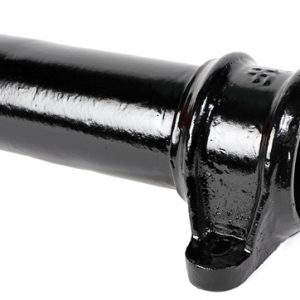
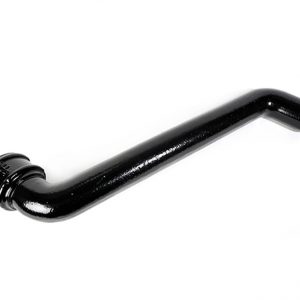
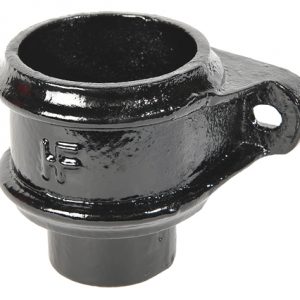
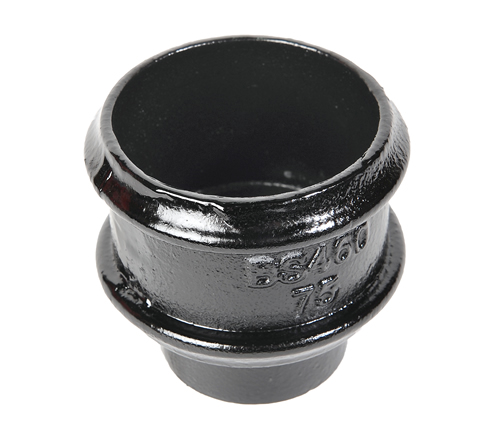
Our cast iron round loose pipe socket plain and traditional cast iron downpipe socket is suited to most period property renovations. Round cast iron pipe is available in primed and black as standard.
Sizes Available:
65mm (2.5″)
75mm (3″)
100mm (4″)
150mm (6″)
Cast iron round rainwater pipe loose socket – plain: R2550S, R3050S, R4050S, R6050S, XR2550S, XR3050S, XR4050S, XR6050S
Our traditional cast iron rainwater pipe is available in 4 sizes. It is now common to see 2.5″ pipes used in place of the older 2″ sizing.
Our traditional cast iron rainwater pipe is available in 3 sizes. It is now common to see 2.5″ pipes used in place of the older 2″ sizing.
Cast iron gutters and pipes offer great strength and durability, a proven history of long life, low noise operation and fire resistance. Most old buildings have cast iron rainwater systems that should be maintained and preserved however; these inherent benefits make a cast iron rainwater system an ideal choice for both traditional and modern installations.
For specific technical sizes on our range of cast iron gutters, rainwater pipes or UK manufactured brackets for cast metal rainwater products.
BTU stand’s for British Thermal Units. This was the old (Imperial) measurement for heat in connection with plumbing. Although BTU’s is a term still commonly used within the heating and plumbing, the industry is now going over to KW’s Kilowatts.
Yes. Cast iron hopper heads are the historically correct choice for listed and period buildings, and a like-for-like cast iron replacement is generally accepted without objection by conservation officers. We manufacture to BS 460 for genuine heritage character and durability.
Bespoke and copy cast iron rainwater goods typically have a lead time of 8 to 10 weeks from order confirmation. This covers pattern-making, casting, finishing, and quality inspection. Standard stock items are available for prompt dispatch. We always recommend confirming lead times at enquiry stage so your project programme is not affected.
The H532 measures 560mm wide x 290mm deep x 305mm high, making it well suited to a broad, low-profile design suited to substantial roofs and box gutters on period commercial and civic buildings.
The physical properties of cast iron are sustained throughout its working life, so with proper maintenance we'd expect our gutters and pipes to last over 100 years under normal conditions.
The handle is compatible with Lumen Rooflights and most pole-operated rooflight and skylight systems. If you are unsure whether it suits your specific rooflight, call us on 0333 987 4452 and we can advise.
The Paxton H82 is a large-format hopper with decorative collar mouldings, making it particularly well suited to late Victorian and Edwardian buildings where the rainwater system forms part of the architectural composition. Typical applications include commercial heritage buildings, civic buildings, large detached houses, institutional premises, and warehouse conversions where a more substantial fitting is appropriate.
It is possible for us to supply towel warmers with an electric heating element in them. The Electrad system is a unique system available to us, that enables independent heating of towel rails and radiators via the properties electrical system.
Linseed oil paint is the most appropriate finish for cast iron guttering on listed and historic buildings. It is breathable, flexible, and penetrating — qualities that suit the movement characteristics of cast iron through seasonal temperature changes. Tuscan Foundry Products offers a curated range of heritage linseed oil colours. For modern applications, a high-quality exterior oil-based paint system over a metal primer is also acceptable.
The Ornamental Airbrick is suited to Victorian villas, bay-fronted terraces, Gothic Revival institutional buildings, church halls, and civic buildings where decorative ironwork is part of the architectural language. It is also appropriate for listed buildings and conservation area properties where the airbrick is on a prominent elevation and the ventilation grille is expected to carry decorative character.