It is possible for us to supply towel warmers with an electric heating element in them. The Electrad system is a unique system available to us, that enables independent heating of towel rails and radiators via the properties electrical system.
Established 1893 | BS 460:2002 Certified | UK & International Supply | Expert Technical Support | 0333 987 4452
£71.47 – £198.50Price range: £71.47 through £198.50 +VAT
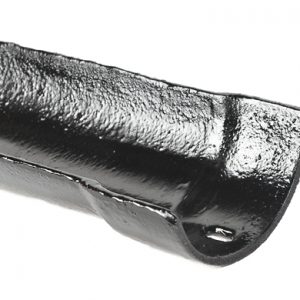
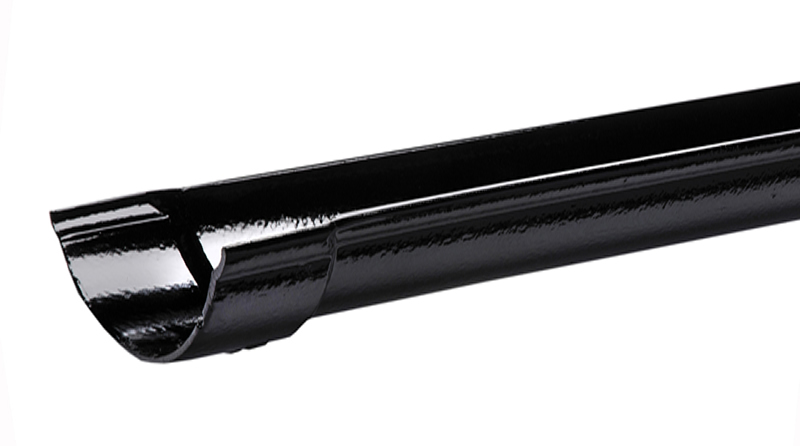
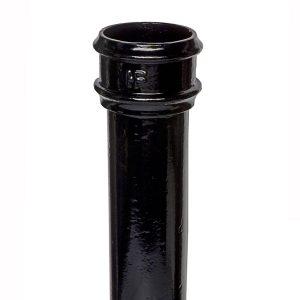
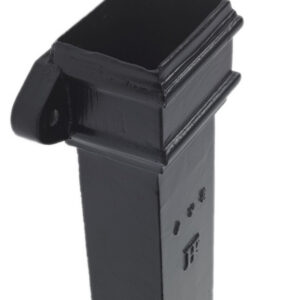
A genuine cast iron rainwater system with beaded pattern. Available in a wide range of tradition gutter and pipe profiles.
Cast iron gutters and pipes offer great strength and durability, a proven history of long life, low noise operation and fire resistance. Most old buildings have cast iron rainwater systems that should be maintained and preserved however; these inherent benefits make a cast iron rainwater system an ideal choice for both traditional and modern installations.
| Size/Finish | Primer 100mm, Primer 115mm, Primer 125mm, Primer 150mm, Black 100mm, Black 115mm, Black 125mm, Black 150mm |
|---|
It is possible for us to supply towel warmers with an electric heating element in them. The Electrad system is a unique system available to us, that enables independent heating of towel rails and radiators via the properties electrical system.
Prices are shown on each product page. For project quantities, conservation specifications, or to discuss suitability for a listed building, call 0333 987 4452 or use the contact form.
Tuscan Foundry's cast iron hopper heads are available in Standard Black and Heritage Colour finishes. A linseed oil paint finish is also offered — a sustainable, vapour-permeable option particularly appropriate for listed buildings and conservation projects. Heritage colour swatches are available from the team on request.
Yes. Cast iron airbricks are frequently specified for listed buildings and conservation area properties precisely because they replicate the material and pattern of the original Victorian and Edwardian ventilation grilles. Local conservation officers and building control typically accept like-for-like cast iron replacements without objection. We can provide product specifications and material datasheets to support applications.
The School Board Airbrick suits Victorian and Edwardian institutional, civic, and residential buildings where the square-grid airbrick pattern was standard — including school buildings, civic halls, estate housing, terrace houses, and warehouses. It is also appropriate on listed buildings and conservation area properties as a like-for-like replacement for worn square-grid cast iron vents.
Prices are shown on each product page. For project quantities, specification advice, or a formal quotation, please call 0333 987 4452 or use the contact form.
The louvre face provides directional airflow and offers some resistance to driven rain entering the subfloor void, making it a practical choice for exposed elevations or properties in areas with significant prevailing wind and rainfall. The square-grid (school board) pattern offers a larger open ventilation area but less weather protection.
The Calnethorpe is designed for formal classical and Georgian elevations where scale and material authenticity matter — large townhouses, country houses, manor houses, and institutional buildings. It is also widely specified for new-build heritage projects where cast iron rainwater goods are required to conservation standard.
The satin chrome telescopic rooflight hand winder opener is available in multiple sizes. The telescopic mechanism adjusts to accommodate varying rooflight positions and throw requirements. For a full list of available sizes, visit tuscanfoundry.com or call 0333 987 4452.
Yes. Cast iron hopper heads are the historically appropriate choice for listed buildings, and are generally preferred by conservation officers and local planning authorities over modern plastic alternatives. Tuscan Foundry cast iron hopper heads are manufactured in solid grey iron and are suitable for use on listed buildings and within conservation areas. A linseed oil finish is also available, which is particularly appropriate for sensitive heritage projects.