Available in two sizes: 225mm x 82mm (single airbrick course height) and 225mm x 150mm (double course height). Both sizes fit standard brick coursing positions and install flush into the wall face.
Established 1893 | BS 460:2002 Certified | UK & International Supply | Expert Technical Support | 0333 987 4452
£118.80 – £140.80Price range: £118.80 through £140.80 +VAT
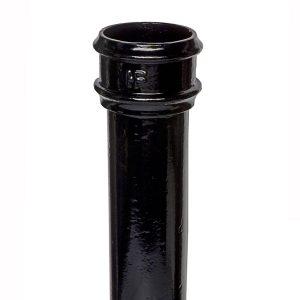
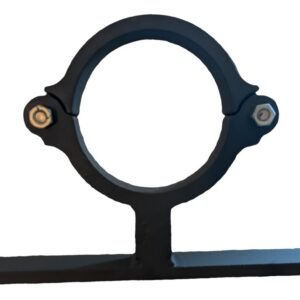
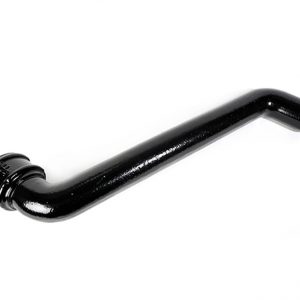
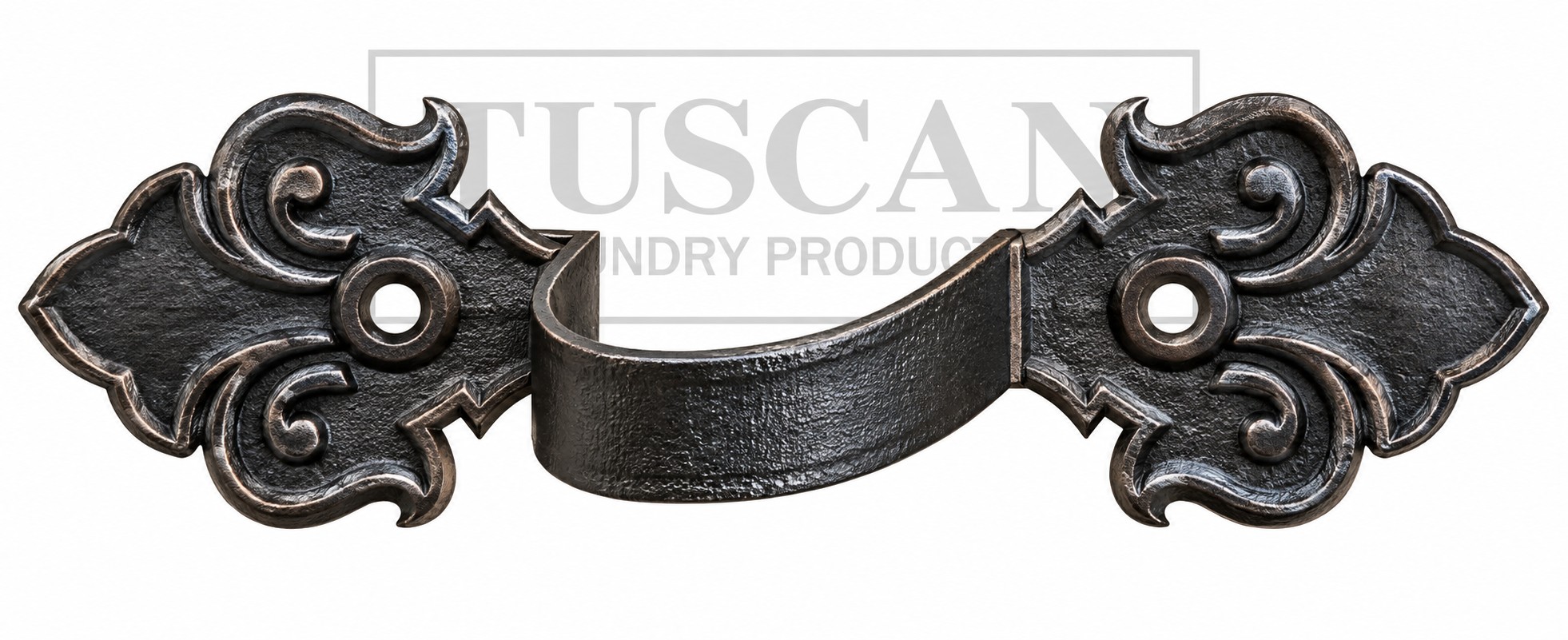
Cast iron round ornamental pipe earband type C for cast iron pipe. Our round ornamental cast iron downpipe earbands are used instead of eared pipes or fittings.
Sizes Available:
65mm (2.5″) cast iron pipe
75mm (3″) cast iron pipe
100mm (4″) cast iron pipe
Cast iron ornamental downpipe earbands for round rainwater downpipes: pattern type (C)
Tuscan Foundry Products offers one of the UK’s most comprehensive ranges of brackets and can manufacture bespoke products to match your existing brackets if required.
Technical
Ornamental cast iron rainwater pipe earbands are available for 65mm (2.5″), 75mm (3″) and 100mm (4″) cast iron downpipes.
| Size | 65mm, 75mm, 100mm |
|---|
Available in two sizes: 225mm x 82mm (single airbrick course height) and 225mm x 150mm (double course height). Both sizes fit standard brick coursing positions and install flush into the wall face.
The Ornamental Airbrick is suited to Victorian villas, bay-fronted terraces, Gothic Revival institutional buildings, church halls, and civic buildings where decorative ironwork is part of the architectural language. It is also appropriate for listed buildings and conservation area properties where the airbrick is on a prominent elevation and the ventilation grille is expected to carry decorative character.
The School Board Airbrick suits Victorian and Edwardian institutional, civic, and residential buildings where the square-grid airbrick pattern was standard — including school buildings, civic halls, estate housing, terrace houses, and warehouses. It is also appropriate on listed buildings and conservation area properties as a like-for-like replacement for worn square-grid cast iron vents.
Our cast iron hopper heads are available in a standard primed and black-painted finish, ready for on-site topcoats. Heritage colour finishes and factory-applied linseed oil paint are available on request. Linseed oil paint is a vapour-permeable, period-appropriate finish particularly well suited to listed buildings and conservation area properties.
Prices are shown on the product page. For project quantities, multiple pattern orders, or a formal quotation, call 0333 987 4452 or use the contact form.
Yes. Polished brass ironmongery is historically appropriate for period buildings and is generally acceptable to conservation officers for listed building projects. If you require confirmation for your specific scheme, we are happy to advise — call 0333 987 4452.
Yes. Cast iron rainwater goods are widely accepted by conservation officers and historic environment bodies as the appropriate material for listed buildings. Tuscan Foundry's hopper heads are manufactured in solid cast iron to BS 460 specification and are suitable for use on all listed building classes. A linseed oil paint finish is also available, which is particularly appropriate for conservation projects.
Satin chrome has a brushed, low-sheen finish suited to contemporary interiors, while polished chrome has a bright mirror finish. Both are available in the telescopic hand winder range at Tuscan Foundry. The choice typically depends on the existing ironmongery specification.
Yes. A polished brass finish is historically appropriate for period buildings and is generally acceptable to conservation officers for listed building projects. If you are unsure about the specification requirements for your project, we are happy to advise — call 0333 987 4452.
The Cast Iron Louvre Airbrick suits Victorian and Edwardian terraced housing, semi-detached properties, public houses, agricultural buildings, and workshop structures where the original airbrick was a louvre-face grille. The horizontal fin profile is widely found in British domestic and light industrial construction from the 1870s through to the 1950s.