Prices are shown on the product pages at tuscanfoundry.com. For project or volume enquiries, please call 0333 987 4452 or use the contact form on our website.
Established 1893 | BS 460:2002 Certified | UK & International Supply | Expert Technical Support | 0333 987 4452
£26.50 +VAT
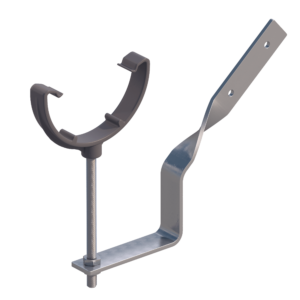
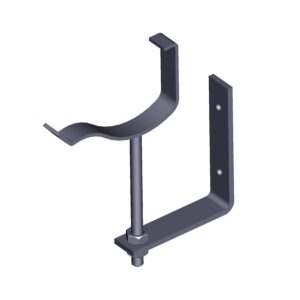
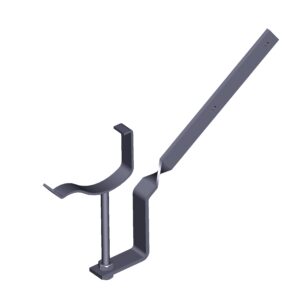
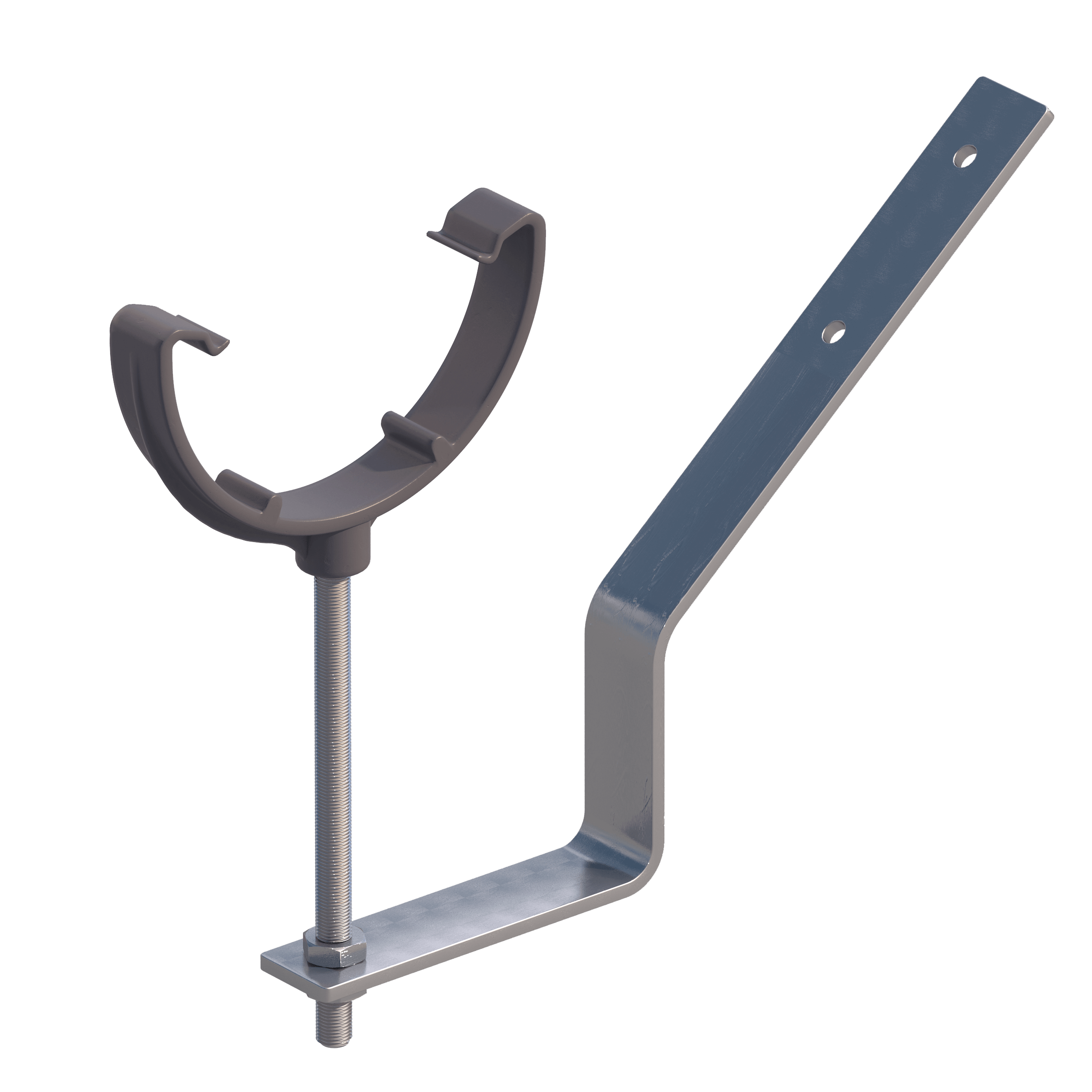
Polypipe half round 112mm side rafter rise fall gutter bracket. Our bespoke adjustable side rafter rise bracket for Polypipe 112mm half-round gutter is an adjustable gutter bracket with rise and fall, side rafter arm.
Bespoke made – 10 – 14 days.
It is designed to suit the Polypipe Half Round 112mmy system, and is available with black, white, brown and grey riser cups.
Polypipe RR111 – Half Round 112mm guttering bracket, adjustable rise and fall, top rafter
| Colour | White, Brown, Grey, Black |
|---|
Prices are shown on the product pages at tuscanfoundry.com. For project or volume enquiries, please call 0333 987 4452 or use the contact form on our website.
Tuscan Foundry supplies screw-jack rooflight openers in polished brass, satin chrome, and polished chrome finishes. Options include telescopic hand-winder openers in 150mm, 250mm, and 300mm sizes, fixed screw-jack stays, and pole-operated handles for high-level rooflights. All are designed for timber-framed rooflights and skylights.
We manufacture a wide variety of brackets for many different cast iron gutter and pipe profiles. More common types are the rise and fall, top fix and side fix rafter and the holderbat or pipe clip.
We can also offer traditional drive brackets, repair brackets and fascia brackets in both steel and cast iron.
It is always advisable to replace like with like because quite often the brackets form and important part of the buildings architecture. Occasionally buildings have special decorative brackets and our UK manufacturing allows us to produce small quantities of bespoke brackets when required.
The Cast Iron Louvre Airbrick suits Victorian, Edwardian, and inter-war residential and commercial properties where the louvre-pattern vent was the standard specification. It is the correct like-for-like replacement on listed buildings and conservation area properties, and suits new heritage-style construction requiring an authentic period ventilation grille.
A hit and miss vent has a sliding plate on the reverse of the grille that can be moved to open or close the ventilation apertures. This allows airflow to be regulated without removing or replacing the grille. The vent can be fully open, partially open, or fully closed depending on ventilation requirements.
The Antique Black finish is cast iron with a blackened surface — the most historically accurate finish for cast iron ironwork and the most appropriate for the majority of heritage applications. Polished Lacquered is cast iron with a bright polished surface sealed with clear lacquer, suited to interiors and sheltered locations where polished ironwork is the specification. Polished Brass is solid polished brass throughout — the correct choice where existing building fittings are in brass or where a warm metal tone is required.
Yes. Cast iron rainwater goods are widely accepted by conservation officers and historic environment bodies as the appropriate material for listed buildings. Tuscan Foundry's hopper heads are manufactured in solid cast iron to BS 460 specification and are suitable for all listed building grades. A linseed oil paint finish is also available, which is particularly appropriate for conservation projects.
Prices are shown on each product page for both sizes and all three finishes. For project quantities, specification support, or conservation enquiries, call us on 0333 987 4452 or use the contact form on our website.
Yes. Polished brass is a historically appropriate finish for period and listed buildings and is generally acceptable to conservation officers. If your project requires specific confirmation, we are happy to advise — call 0333 987 4452.
A hit and miss vent has a sliding plate on the back of the grille that can be opened, partially restricted, or closed entirely without removing the vent from the wall. This allows airflow to be controlled from inside the building, making it suitable for underfloor void ventilation and through-wall ventilation where adjustable airflow is needed.