Available in two sizes: 225mm x 82mm (single airbrick course height) and 225mm x 150mm (double course height). Both sizes fit standard brick coursing positions and install flush into the wall face.
Established 1893 | BS 460:2002 Certified | UK & International Supply | Expert Technical Support | 0333 987 4452
£84.66 +VAT
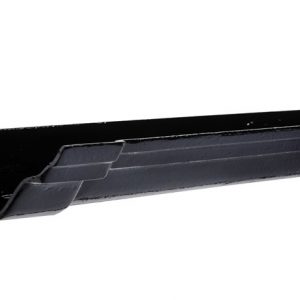
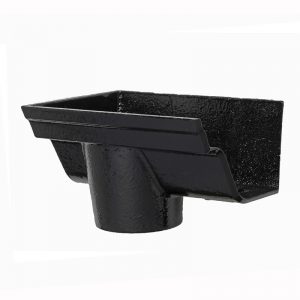
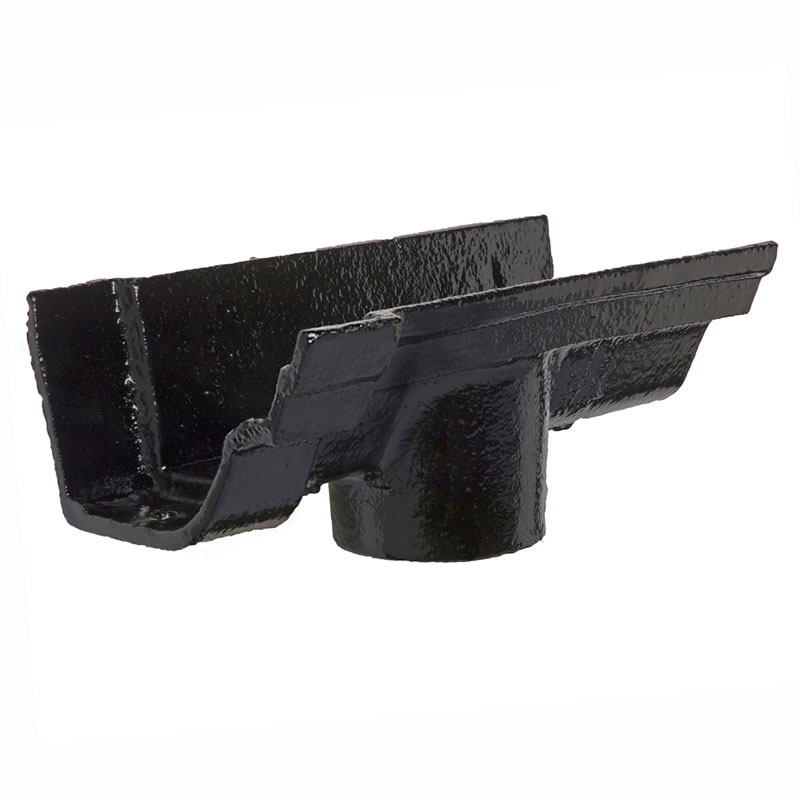
A genuine cast iron rainwater pattern orignally used in and around Nottingham, hence Notts Ogee. The profile is only available in the one size (4.5″) and has a flat base unlike the more traditional ogee (OG) curved pattern.
Cast iron gutters and pipes offer great strength and durability, a proven history of long life, low noise operation and fire resistance. Most old buildings have cast iron rainwater systems that should be maintained and preserved however; these inherent benefits make a cast iron rainwater system an ideal choice for both traditional and modern installations.
| Size | 65mm, 75mm |
|---|
Available in two sizes: 225mm x 82mm (single airbrick course height) and 225mm x 150mm (double course height). Both sizes fit standard brick coursing positions and install flush into the wall face.
The Iron Works Patterned Hit & Miss Vent suits Victorian and Edwardian buildings where decorative cast iron or brass ventilation grilles were part of the original specification — including terrace houses, civic buildings, churches, entrance halls, and estate properties. It is appropriate on listed buildings and conservation area properties as a like-for-like decorative vent replacement, and on new heritage-quality construction where period detailing is required.
The drainage and guttering market has matured considerably over the past 20 years and there are now many more product choices for consumers to consider.
Despite the influx of new materials it appears that the benchmark for rainwater systems is still cast iron. Cast iron rainwater goods were introduced in the late 18th Century as an alternative to lead. As well as being easier to produce, the material enabled eaves gutters to be installed more simply, since lead could only be used in this location as a lining for timber gutters.
Many modern materials focus on replicating the appearance of cast iron but those materials can vary rarely offer any of the benefits. Cast iron gutters and pipes offer great strength and durability, a proven history of long life, low noise operation and fire resistance. Most old buildings have cast iron rainwater systems that should be maintained and preserved however; these inherent benefits make cast iron an ideal choice for both traditional and modern installations.
It is not uncommon to see modern alternative products marketed with terms like low maintenance or easy to install and cost effective. It has even been said that ‘plastic guttering systems provide a way of achieving a traditional look with modern convenience’. These terms tend to refer to possible cost savings rather than any real product benefits. It is also difficult to quantify the benefits of modern convenience over traditional build quality.
It is worth remembering that all rainwater goods will require some element of maintaining to ensure they are unblocked by debris and remain functional. No rainwater system cleans itself. Today most suppliers of cast iron rainwater systems offer products in both primer or pre-painted with a 10 year protective coating. When describing modern materials, the term ‘cost effective’ is used rather than simply saying cheap. There is no doubt that the initial cost of many modern materials is less than cast iron but you might be surprised to know that over its lifespan, cast iron will cost around a third of plastic.
It is easy to forget about your rainwater system but it does need to be maintained and inspected at least twice a year regardless of the product material. It does not matter whether the property is hundreds of years old or brand new, the message is the same; ‘maintaining your rainwater system contributes to the external appearance of the building as well as keeping it free from damp and structural damage.
The right size depends on the width of your gutter run and the volume of water you need to collect. The Strayton H42A is available in four widths: 305mm (12"), 355mm (14"), 457mm (18"), and 610mm (24"). As a general guide, wider hoppers suit larger roof areas and heavier rainfall zones. If you are unsure, our team can advise based on your gutter profile and catchment area — call 0333 987 4452.
Prices are shown on the product page. For project quantities, multiple pattern orders, or a formal quotation, call 0333 987 4452 or use the contact form.
Yes. The Brass Rooflight Pole Winder Opener 300mm is compatible with Lumen Rooflights and most timber-framed skylights. If you have a specific rooflight model, call 0333 987 4452 to confirm compatibility before ordering.
Prices are shown on each product page. For project quantities, conservation specifications, or to discuss suitability for a listed building, call 0333 987 4452 or use the contact form.
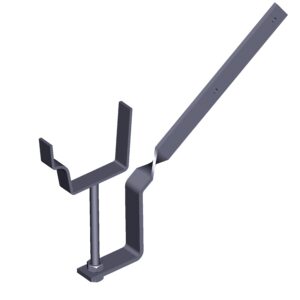
Our brackets are more commonly used on cast iron rainwater systems. Unlike plastic, cast iron is heavy and the weight keeps the gutter in position. As such our brackets do not normally have retaining clips which could lead to plastic or lightweight gutters blowing out of the bracket. The profile of your gutter should match that of our bracket but without the weight to keep it in place you may well encounter problems in bad weather.
Prices are shown on each product page for both sizes and all three finishes. For project quantities, specification support, or conservation enquiries, call us on 0333 987 4452 or use the contact form on our website.
The Calnethorpe is designed for formal classical and Georgian elevations where scale and material authenticity matter — large townhouses, country houses, manor houses, and institutional buildings. It is also widely specified for new-build heritage projects where cast iron rainwater goods are required to conservation standard.