
Available in two sizes: 225mm x 82mm (single airbrick course height) and 225mm x 150mm (double course height). Both sizes fit standard brick coursing positions and install flush into the wall face.
Established 1893 | BS 460:2002 Certified | UK & International Supply | Expert Technical Support | 0333 987 4452
£56.00
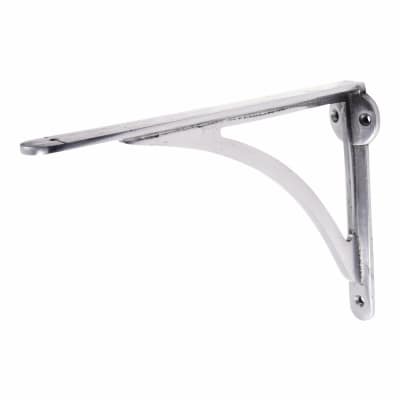
| Finish | Pewter |
| Length mm | 174mm |
| Price | 0 |
| Shelf Thickness mm | 7mm |
| Size mm | 249 x 174 x 48mm |
| Type | Bracket |
Available in two sizes: 225mm x 82mm (single airbrick course height) and 225mm x 150mm (double course height). Both sizes fit standard brick coursing positions and install flush into the wall face.
The Antique Black cast iron version is suitable for external use. The Polished Lacquered version is best suited to interiors or sheltered external locations where the polished finish will be protected from weathering. The Polished Brass version is suited to interior and semi-exposed locations. For external applications on exposed elevations, the Antique Black finish is the recommended specification.
Yes. Cast iron airbricks are frequently specified for listed buildings and conservation area properties precisely because they replicate the material and pattern of the original Victorian and Edwardian ventilation grilles. Local conservation officers and building control typically accept like-for-like cast iron replacements without objection. We can provide product specifications and material datasheets to support applications.
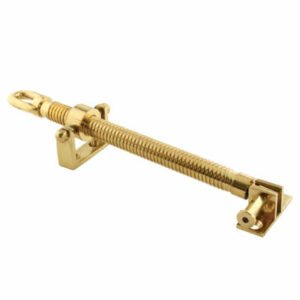
Rooflight opener handles are available in polished brass, polished chrome, and satin chrome finishes. The polished brass version is the most popular choice for heritage and period interiors. For the full range, visit tuscanfoundry.com or call 0333 987 4452.
The H460 is well suited to Georgian, Regency, and Victorian buildings where a plain, undecorated rectangular hopper is the appropriate choice — particularly listed properties, conservation area buildings, and institutional or commercial buildings in historic town centres. Its clean, restrained form makes it equally appropriate on modern heritage-style construction where period accuracy is required without ornamental detail.
Yes. The ornamental foliate pattern was widely used in Victorian construction and is appropriate for Grade II listed buildings and conservation area properties. Its decorative character is often preferable to a plain pattern on prominent or formal elevations. We recommend confirming the pattern with your conservation officer as part of any listed building consent application.
Prices are shown on the product pages at tuscanfoundry.com. For project or volume enquiries, please call 0333 987 4452 or use the contact form on our website.
The School Board Airbrick suits Victorian and Edwardian institutional, civic, and residential buildings where the square-grid airbrick pattern was standard — including school buildings, civic halls, estate housing, terrace houses, and warehouses. It is also appropriate on listed buildings and conservation area properties as a like-for-like replacement for worn square-grid cast iron vents.
Yes. Cast iron rainwater goods are widely accepted by conservation officers and historic environment bodies as the appropriate material for listed buildings. Tuscan Foundry's hopper heads are manufactured in solid cast iron to BS 460 specification and are suitable for all listed building classes. A linseed oil paint finish is also available, which is particularly appropriate for conservation projects.
The Gothic foliate tracery design of the Ornamental Airbrick provides a good free-flow ventilation area relative to its face size. The open area is comparable to other standard cast iron airbrick patterns. The visual density of the pattern at a distance reads as solid ironwork, which suits formal and decorative elevations without compromising subfloor ventilation effectiveness.