
Established 1893 | BS 460:2002 Certified | UK & International Supply | Expert Technical Support | 0333 987 4452
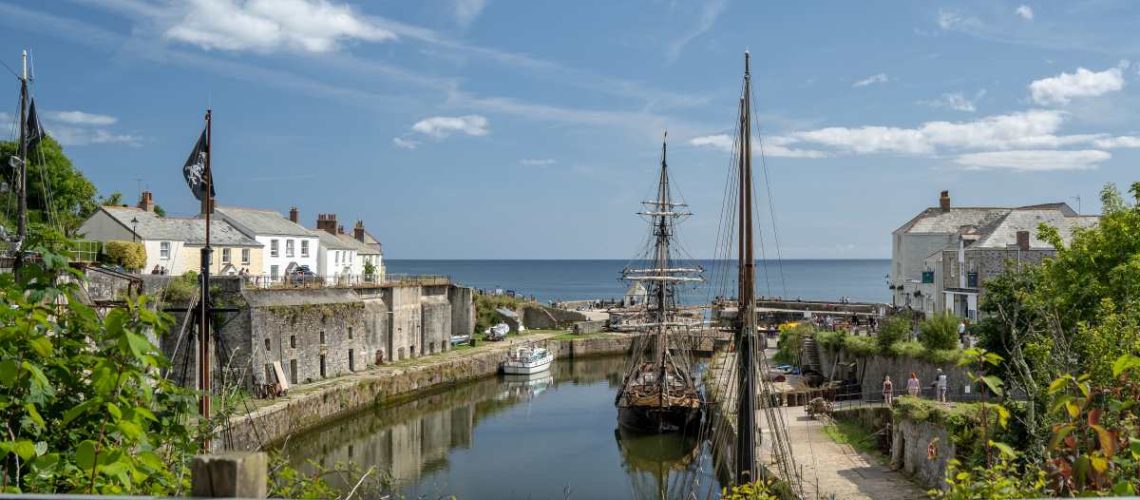
Cornwall boasts a rich architectural heritage with its rugged coastline, historic towns, and industrial past. A key, often overlooked, element of this heritage is the widespread use of cast iron guttering and pipes. These robust systems, a testament to Victorian engineering and craftsmanship, served a practical purpose and became integral to the region’s architectural identity. This article explores the history, significance, and preservation of cast iron drainage systems in Cornwall.
The Industrial Revolution brought about significant advancements in metalworking, making cast iron readily available for various applications, including building drainage. In Cornwall, the mining industry, a cornerstone of the region’s economy, played a crucial role in adopting cast iron. The abundance of iron ore and the established network of foundries facilitated the production and distribution of cast iron pipes and gutters.
By the mid-19th century, cast iron had become the material of choice for drainage systems in domestic and public buildings. Its strength, durability, and resistance to fire made it a superior alternative to earlier materials like wood or lead. The intricate designs and decorative flourishes often incorporated into cast iron guttering also reflected the Victorian era’s emphasis on ornamentation. This widespread adoption ensured cast iron became a defining feature of Cornwall’s architectural landscape, from grand country houses to humble miners’ cottages.
Cast iron guttering and pipes are not merely functional elements; they contribute significantly to the aesthetic character of Cornwall’s historic buildings. These systems’ distinctive shapes, profiles, and decorative details add visual interest and enhance the overall architectural style.
Several notable buildings in Cornwall showcase the prominent use of cast iron. Truro Cathedral, a magnificent example of Gothic Revival architecture, features elaborate cast-iron rainwater goods that complement its intricate stonework. In Penzance, the elegant Georgian and Victorian townhouses lining the streets display ornate cast iron balconies, railings, and guttering systems. The mining heritage of Cornwall is also reflected in the use of cast iron in engine houses, mine captains’ houses, and other industrial structures within the UNESCO World Heritage Site at St Agnes. These examples demonstrate the versatility of cast iron and its integration into diverse architectural styles across the county.
Maintaining cast iron drainage systems is crucial for preserving the integrity of heritage and listed buildings. Unlike modern plastic alternatives, cast iron can last for centuries with proper care. However, neglecting these systems can lead to deterioration, compromising their functionality and potentially damaging the building fabric.
Restoration efforts typically involve several key steps. Thorough cleaning removes accumulated debris, rust, and old paint. Damaged sections may require repair or replacement, ideally using matching cast iron components. Protective coatings, such as specialised paints designed for metal, help prevent further corrosion. Regular inspections are essential to identify potential issues early on and prevent costly repairs.
Working with cast iron on listed buildings in Cornwall requires careful consideration of conservation regulations. Listed building consent is typically required for any alterations or replacements that affect the building’s character. This includes changes to guttering and pipework.
It is essential to adhere to best practices and use appropriate materials when undertaking repairs or replacements. Replacing original cast iron with modern plastic alternatives is generally discouraged as it detracts from the building’s historical authenticity. Matching existing profiles and details is crucial to maintaining the architectural harmony of the building. Consulting with conservation officers and engaging experienced craftspeople specialising in historic building restoration is highly recommended to ensure compliance with regulations and achieve sympathetic repairs.
While cast iron is primarily associated with historic buildings, it continues to be used in modern construction, particularly in projects prioritising durability, sustainability, and aesthetic appeal. Its recyclability and long lifespan make it an environmentally friendly choice.
However, preserving existing cast iron systems presents particular challenges. Rust and corrosion are common issues, particularly in coastal environments like Cornwall, where exposure to salt air accelerates deterioration. Joint failures and blockages due to accumulated debris are also frequent problems.
Working across Cornwall, Tuscan Foundry exemplifies excellence in restoring and preserving period and listed buildings. With our rich history in metal craftsmanship, dating back to 1893, we specialise in bespoke cast iron rainwater systems that seamlessly integrate function with architectural authenticity. Our expertise in creating historically accurate components, such as gutters, pipes, and decorative hopper heads, ensures the timeless charm of Cornwall’s historic structures is maintained. By blending traditional techniques with modern sustainability, Tuscan Foundry plays a vital role in safeguarding the county’s architectural legacy for future generations.
Cast iron guttering is a hallmark of Cornwall’s heritage buildings, offering durability and aesthetic appeal. Its historical use in the region reflects local craftsmanship and the industrial era’s architectural styles.
Cast iron drainage systems are still valued for their strength, longevity, and compatibility with historic buildings. Many heritage projects in Cornwall prefer cast iron for restoration to maintain architectural integrity.
Regular cleaning and inspection are crucial to prevent blockages and rust. Applying protective paint every few years helps extend the lifespan of cast iron systems.
Yes, but it requires consent from the local planning authority. Replacement materials must match the original in appearance and specifications to preserve the building’s historic character.
Cast iron offers unmatched durability, recyclability, and historical accuracy. While modern materials like PVC are cheaper, they lack the character and longevity of cast iron.
Yes, cast iron is fully recyclable and has a long lifespan, reducing the need for frequent replacements compared to other materials.
Costs vary depending on the extent of damage and the building’s requirements. Restoration may be more expensive upfront, but ensures long-term value and historical accuracy.
Work with specialists in historic building restoration who understand local and national conservation laws. Consult Cornwall’s planning authority before starting any work on listed buildings.
Examples include Truro Cathedral with elaborate cast-iron rainwater goods, Penzance’s historic Georgian and Victorian townhouses with ornate guttering systems, and the mining structures in the UNESCO World Heritage Site at St Agnes.