
Established 1893 | BS 460:2002 Certified | UK & International Supply | Expert Technical Support | 0333 987 4452
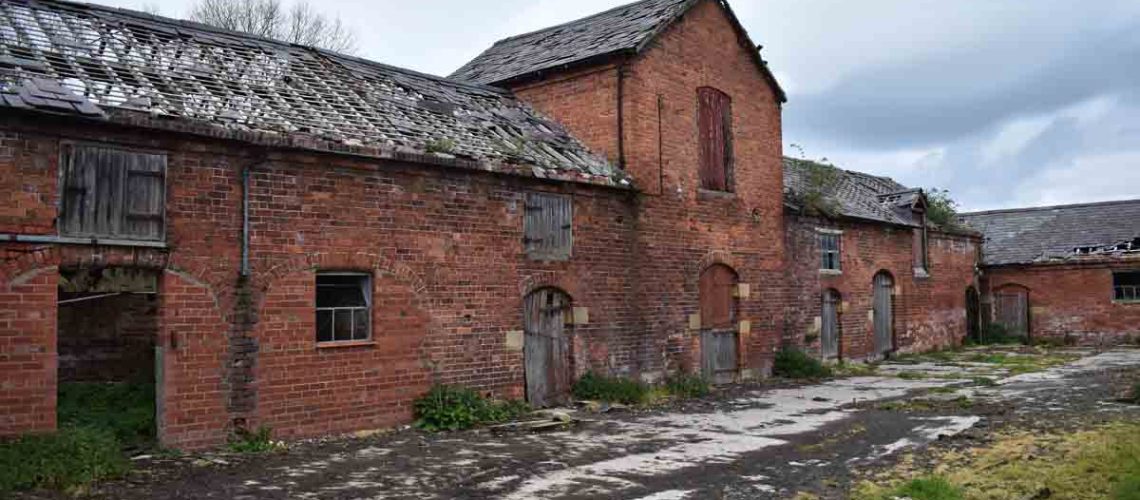
Have you ever driven by an old barn and wondered about its history? Many of these agricultural relics dot the rural landscape, remnants of a time not so long ago when farming was a way of life for most. Sadly, many historic barns continue to deteriorate and collapse due to neglect. But others are finding new life through the art of sympathetic restoration.
Sympathetic barn restoration is all about preserving the character and charm of these ageing structures while adapting them for modern use. It requires a careful, craftsman-like approach to retain as much of the original barn as possible. From salvaging weathered wood siding to incorporating antique doors and hardware, the results can be stunning.
If you’ve got an ageing barn on your property, you’ve got a piece of history. Barns were once the hub of farm activity, sheltering livestock, storing crops, and housing equipment. Many historic barns still stand today but require work to be usable and safe. The key is sympathetic restoration – preserving the original character and craftsmanship as much as possible.
First, do your research. Look into when and how your barn was built, what construction was used, and how it may have been modified. Local historical societies or university archives can be excellent resources. Understanding how the barn was used initially and has evolved will guide your restoration choices.
Next, inspect the current condition. Check for any structural damage or repairs needed to stabilise the building. Look at the roof, foundation, beams, and siding. Make notes on what must be fixed for safety and what can remain untouched.
When it’s time for repairs, use materials and methods that match the originals. For roofs, wooden shingles or metal panels are traditional. For siding, vertical boards or metal sheeting are standard. Whenever possible, reuse original materials. Choose a type initially used for any new wood, like pine or oak.
For the interior, keep spaces open and fix only what’s necessary. Patch and reinforce as needed, but avoid remodelling the layout or subdividing rooms. Simple touches like oiling wood floors or whitewashing stone walls can freshen up the space while maintaining rustic charm.
So you’ve got an ageing barn and want to breathe new life into it while preserving its character. The first step is to assess its current condition. Look for structural damage or weaknesses, like sagging rooflines, cracked foundations, termite damage, rot, or warping. Check the frame for rot or warping and examine the condition of any windows or doors.
Once you understand the barn’s integrity, you can plan appropriate repairs. For minor issues, you may only need to replace a few boards or beams and apply a fresh coat of protective sealant. For more severe problems, you may need to shore up the foundation or install steel support beams. Be very careful when making any repairs that could impact the overall structure. It’s best to consult an expert.
When updating, choose materials that complement the barn’s era and style. For early 20th-century barns, corrugated metal siding, wood board and batten, or vertical plank siding are good options. For interior walls, consider whitewashing existing boards or installing new wood planks. An earthen floor or stone pavers are traditional touches.
Choosing building materials that are historically accurate and match the period of your barn is vital to a successful restoration. For early 20th-century barns, look for rough-sawn wood boards showing the sawmill marks, hand-forged hardware made by blacksmiths, lime mortar mixed on-site, and tin roofing using corrugated metal sheets. Reclaimed wood salvaged from other barns or buildings of the same era gives instant character and history.
For the best results, hire contractors experienced in the sympathetic restoration of historic barns and farm buildings. They will understand how to source appropriate materials and incorporate them seamlessly, use traditional building techniques like timber framing and mortise and tenon joints, and work efficiently while maintaining the highest quality craftsmanship. If needed, they can provide solutions that adhere to building codes and occupancy standards.
To breathe new life into an ageing barn, relying on traditional techniques and materials is critical. These tried-and-true methods have stood the test of time. Whenever possible, repair original barn components instead of replacing them. Patch holes, reinforce beams, and salvage weathered siding. Use the same tools and construction techniques employed initially, such as hand-hewn beams and mortise and tenon joinery.
If new wood is needed, source reclaimed or salvaged materials. Weathered barn boards and hand-hewn beams reclaimed from other period barns are ideal. When repairing damage or adding new elements, copy existing profiles, dimensions, and architectural details to ensure replacements match perfectly.
Breathing new life into ageing barns is an art form that requires careful craftsmanship and respect for history. Assess the structure’s current condition, note any damage or structural weaknesses, and develop a plan to reinforce the frame and foundation. Use materials similar to the originals to maintain authenticity.
Little details go a long way in keeping the barn’s rustic appeal. Leave some patina on the wood and avoid painting over chipped or worn areas. Keep doors, windows, and hardware as originals when possible. Converting a barn into a liveable space requires balancing modern function with rustic style, adding amenities sensitively and only as needed for the intended use.
Since 1893 Tuscan Foundry has been making and supplying cast iron and steel products for building restoration and conservation projects. Today we supply cast iron gutters and downspouts ideal for period barns because they withstand the weather and last for generations. They come in various styles that suit different barn architecture, from simple half and deep half-round profiles to ogee gutters and more ornate Victorian profiles.
In most instances, half-round and deep half-round profiles are most suited to converted agricultural buildings. Consider the era and location your barn was built to choose a gutter style that matches. Ogee, half-round and Victorian profiles were typical in the 19th century, while square profiles were more typical of early 20th-century barns.
Cast iron gutters are heavy, so installing them requires care and patience. They attach to the barn eave using straps or spike hangers spaced 2 to 3 feet apart. While cast iron gutters last virtually forever, they still need occasional maintenance. Inspect them each year before winter for any damage or leaks and reseal or patch them as needed. Re-paint cast iron gutters every 3 to 5 years to prevent rust.
Sympathetic barn restoration is the practice of preserving the character and charm of ageing barn structures while adapting them for modern use. It requires a careful, craftsman-like approach to retain as much of the original barn as possible, from salvaging weathered wood siding to incorporating antique doors and hardware, respecting the barn’s historic integrity and architectural heritage.
Start by looking for structural damage or weaknesses like sagging rooflines, cracked foundations, or termite damage. Check the frame for rot or warping and examine the condition of windows and doors. Research when and how your barn was built using local historical societies or university archives. Make detailed notes on what must be fixed for safety and what can remain untouched.
For authentic restoration, choose materials that match the period of your barn. Look for rough-sawn wood boards, hand-forged hardware from reproductions or salvage yards, lime mortar (softer and more porous than modern concrete), traditional tin roofing, and reclaimed wood salvaged from era-appropriate buildings. These materials ensure your restoration maintains its historical character and authenticity.
Cast iron gutters are ideal for period barns because they withstand the weather, last for generations, and come in various styles that suit different barn architecture—from simple half and deep half-round profiles to ogee and Victorian profiles. Since 1893, Tuscan Foundry has supplied cast iron products specifically designed for building restoration and conservation projects.
Cast iron gutters are heavy and require careful installation. They attach to the barn eave using straps or spike hangers spaced 2 to 3 feet apart. Mark the eave edge to locate hangers, use a chalk line to ensure level hanging, attach the hangers, lift the gutter into place and secure. Finally, solder or seal the seams and attach downspout pipes to direct water away from the foundation.
Inspect cast iron gutters annually before winter for damage or leaks and reseal or patch as needed. Remove debris to keep water flowing freely. Repaint gutters every 3 to 5 years to prevent rust using a primer followed by two coats of enamel, oil-based paint. Clean out downspouts to avoid clogs. With proper care, cast iron gutters can grace your barn for generations.
Hire contractors experienced in sympathetic restoration of historic barns and farm buildings. They should understand how to source appropriate materials, use traditional building techniques like timber framing and mortise and tenon joints, work efficiently while maintaining quality craftsmanship, and provide solutions that adhere to building codes. Restoring a barn is a labour of love—choose craftspeople who share your vision.
Key techniques include: repair rather than replace original components, use traditional tools and methods matching the original construction, source reclaimed or salvaged materials, and match existing profiles and architectural details precisely. By relying on these tried-and-true methods that have stood the test of time, you ensure your restoration is sympathetic, authentic, and will preserve the barn for generations.