
The mid-nineteenth century in London represented a period of profound infrastructural crisis, characterised by a fundamental misalignment between the city’s rapid industrial expansion and its archaic sanitary provisions. As the metropolitan population surged toward three million, the existing reliance on cesspools and local drainage channels that emptied directly into the River Thames became untenable. The environmental degradation was so severe that by 1855, the renowned scientist Michael Faraday observed that the river had become an opaque, brown fluid, thick with organic matter. This systemic failure was not merely an aesthetic or olfactory concern; it was a primary driver of lethal waterborne epidemics, including cholera and typhoid, which decimated the urban poor and threatened the city’s economic stability.
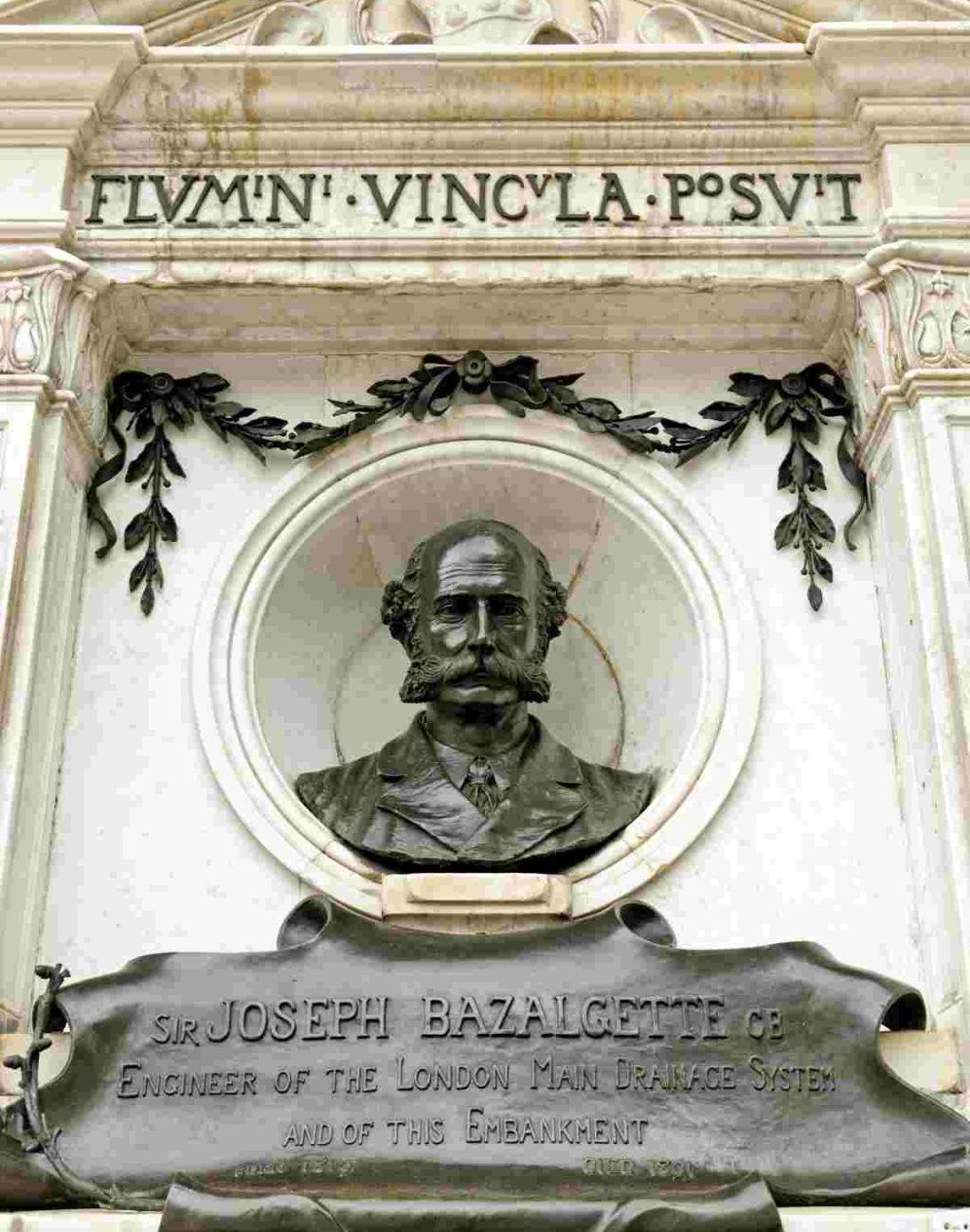
The political catalyst for reform was the “Great Stink” of 1858. An unusually hot summer exacerbated waste fermentation in the Thames, producing a stench so pervasive that it disrupted the functions of the Palace of Westminster. This event effectively ended decades of parliamentary prevarication, leading to the rapid empowerment of the Metropolitan Board of Works (MBW). Joseph Bazalgette, the Chief Engineer of the MBW, was tasked with the Herculean project of constructing a comprehensive intercepting sewer system. This project, arguably the most significant civil engineering feat of the Victorian era, necessitated the construction of over 82 miles of main intercepting sewers and approximately 1,100 miles of street sewers. Central to this network was the Abbey Mills Pumping Station, constructed between 1865 and 1868 to serve as the critical nexus of the Northern Outfall Sewer system.
The strategic importance of Abbey Mills lay in its topographic function. Located at Mill Meads in East London, the station was designed to lift sewage from the low-lying areas of North London into the Northern Outfall Sewer, which then utilised gravity to transport the waste to the Beckton treatment works. This vertical lift of approximately 40 feet (12 metres) was essential for maintaining the flow across the flat marshlands of the Lea Valley. The site itself, formerly occupied by a watermill belonging to the Stratford Langthorne Abbey—hence the name “Abbey Mills”—was transformed from a rural wetland into a monumental centre of hydraulic engineering.
Project Attribute | Historical Specification |
Construction Timeline | 1865–1868 |
Principal Engineer | Sir Joseph Bazalgette |
Assistant Engineer | Edmund Cooper |
Principal Architect | Charles Henry Driver |
Site Historical Name | Wiggemulne (1312), later Abbey Mills |
Primary Structural Plan | Greek Cross (Cruciform) |
Engine Type | Eight steam-powered beam engines |
Original Manufacturer | Rothwell & Co. of Bolton |
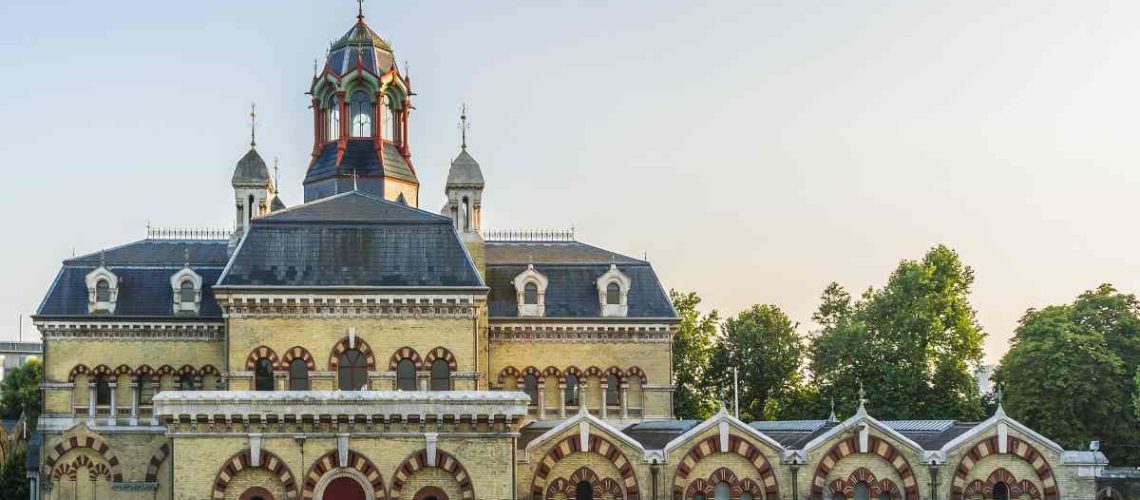
The design of Abbey Mills Pumping Station represents a unique synthesis of engineering pragmatism and architectural exuberance. While Joseph Bazalgette provided the functional blueprint for the station’s hydraulic operations, the building’s aesthetic character was the work of architect Charles Henry Driver. Driver was a specialist in the architectural application of iron, a material that was often viewed with scepticism by his contemporaries who adhered to the Ruskinian ideals of “truth to materials”. John Ruskin and his followers argued that cast iron was an artificial, synthetic substance that lacked the moral dignity of stone or wood, yet Driver challenged this notion by treating iron as a high-art material capable of intricate ornamentation.
The collaboration between Bazalgette and Driver resulted in what is frequently described as the “Cathedral of Sewage”. This moniker is not merely a reflection of the building’s scale but of its deliberate adoption of ecclesiastical typologies to celebrate a civic utility. The engine house was designed on a cruciform plan, a layout that served the practical purpose of housing two steam engines in each of the four arms while creating a central, octagonal focal point.
This central space was crowned by an elaborate cupola or lantern, reminiscent of Russian Orthodox architecture, which provided essential light and ventilation to the interior machinery.
The exterior of the building is a masterclass in Victorian eclecticism, incorporating elements of Italian Gothic, Byzantine, Moorish, and French Gothic styles. The use of yellow brick, accented with blue and red brick detailing and stone dressings, created a polychromatic façade that stood in stark contrast to the utilitarian factories of the surrounding industrial landscape. This “dressing up” of an industrial function served a broader social purpose: it was a physical manifestation of the Victorian belief that engineering achievements for the public good should be presented with the same dignity and symbolic weight as religious or civic institutions.
The operational history of Abbey Mills is characterised by a continuous adaptation to evolving technologies. At its inception, the station housed eight massive steam-powered beam engines manufactured by Rothwell & Co. of Bolton. These engines were the heart of the “Cathedral,” their rhythmic motion providing the power necessary to move millions of gallons of sewage daily. The steam required for these engines was generated in two expansive boiler houses, with the resulting smoke exhausted through two 212’ tall chimneys. These chimneys were designed in a Moorish style to resemble minarets, further contributing to the building’s exotic silhouette and its reputation as the “Mosque in the Marshes”.
However, the rapid advancement of electrical engineering in the early twentieth century rendered steam power increasingly inefficient. By 1933, the original beam engines had been decommissioned and replaced with electric motors. This transition marked a significant shift in the station’s profile. The Moorish chimneys, no longer functional but still visually dominant, became a liability during the Second World War. In 1941, the decision was made to demolish the chimneys for fear that they would serve as landmarks for German bombers or, if struck, topple onto the pumping station and disable London’s vital drainage network. Today, only the ornate stumps of these chimneys remain, preserved as Grade II listed remnants of the station’s original steam-powered era.
Infrastructure Component | Original Detail (1868) | Modern Adaptation / Status |
Primary Power | Steam (8 Beam Engines) | Electric Motors (since 1933) |
Fuel Source | Coal | Grid Electricity |
Ventilation | Two 212ft Moorish Chimneys | Demolished 1941; Stumps remain |
Storm Management | Built into the main station | Gas engines (1913), later Station F (1997) |
Site Usage | Primary Pumping Hub | Standby/Overflow for high-flow events |
The station’s capacity was further augmented in 1913 with the construction of a new engine house dedicated to stormwater management. This facility utilised seven centrifugal pumps driven by vertical gas engines, which were preferred for their ability to be brought into operation at extremely short notice during sudden rainfall. This pragmatic evolution continued into the late twentieth century with the opening of “Station F” in 1997, a modern, aluminium-clad facility designed by Allies and Morrison. While Station F now handles the majority of the daily pumping requirements, the original Victorian “Station A” remains an operational asset, its electric pumps providing essential capacity during peak storm events.
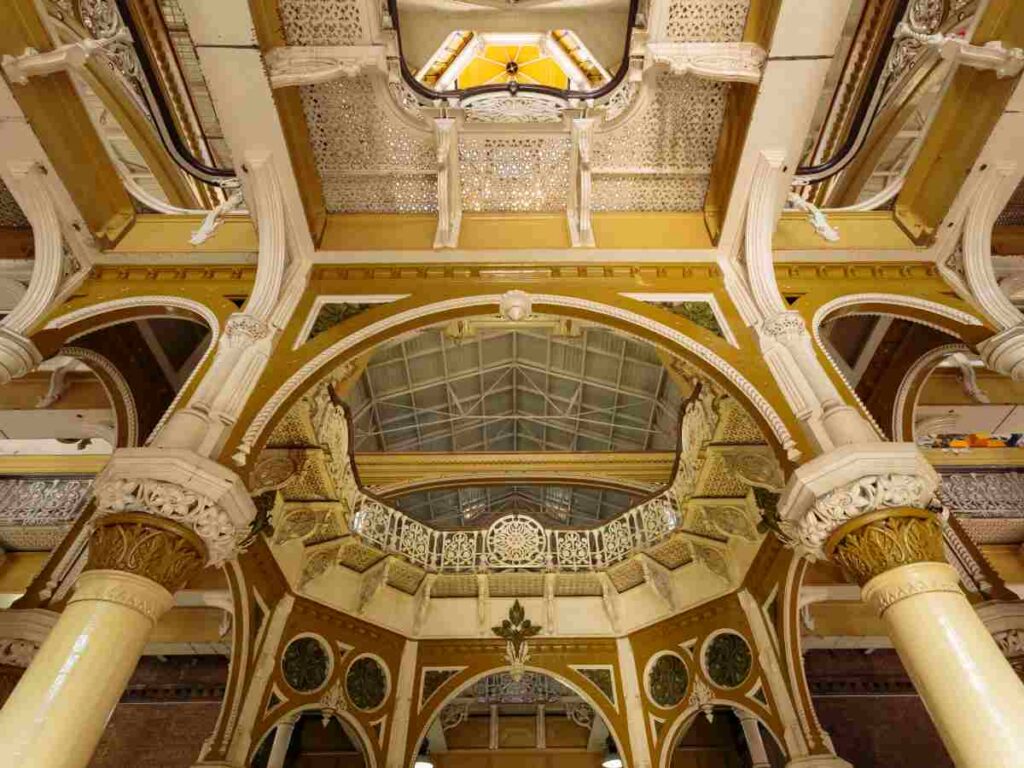
One of the most significant recent developments at Abbey Mills has been the comprehensive restoration of its internal decorative schemes. For decades, the flamboyant interior ironwork, designed by Charles Driver to be a riot of colour and gilding, was obscured by successive layers of drab, industrial paint. As part of the preparations for the 2012 London Olympics and subsequent heritage initiatives by Thames Water, a project was launched to return the interior to its original 1868 appearance.
The restoration was preceded by an exhaustive paint analysis conducted by Helen Hughes of Historic Interiors Research and
Conservation (HIRC). This investigation involved the extraction and microscopic examination of over 800 paint samples taken from various architectural elements within the engine house. By analysing the stratigraphy of the paint layers, Hughes identified the original Victorian palette, which was far more complex than previously understood. The primary scheme consisted of four distinct shades of burgundy—ranging from deep maroon to bright crimson—which were used to emphasise the structural form and decorative details of the cast ironwork.
The restoration of this polychrome scheme was a massive undertaking, carried out by Huning Decorations in 2018. The team used modern water-based materials to replicate the original bronzed and gilded effects, particularly on the floral and naturalistic ornaments of the upper-level ironwork. This project was more than just a cosmetic upgrade; it was a scholarly recreation of the Victorian “Total Work of Art” (Gesamtkunstwerk) that Driver had envisioned. The restoration has successfully revealed how the interior space was designed to be “light, airy and filled with naturalistic decoration,” serving as a psychological counterbalance to the dark, claustrophobic realities of the sewage network hidden beneath the floorboards.
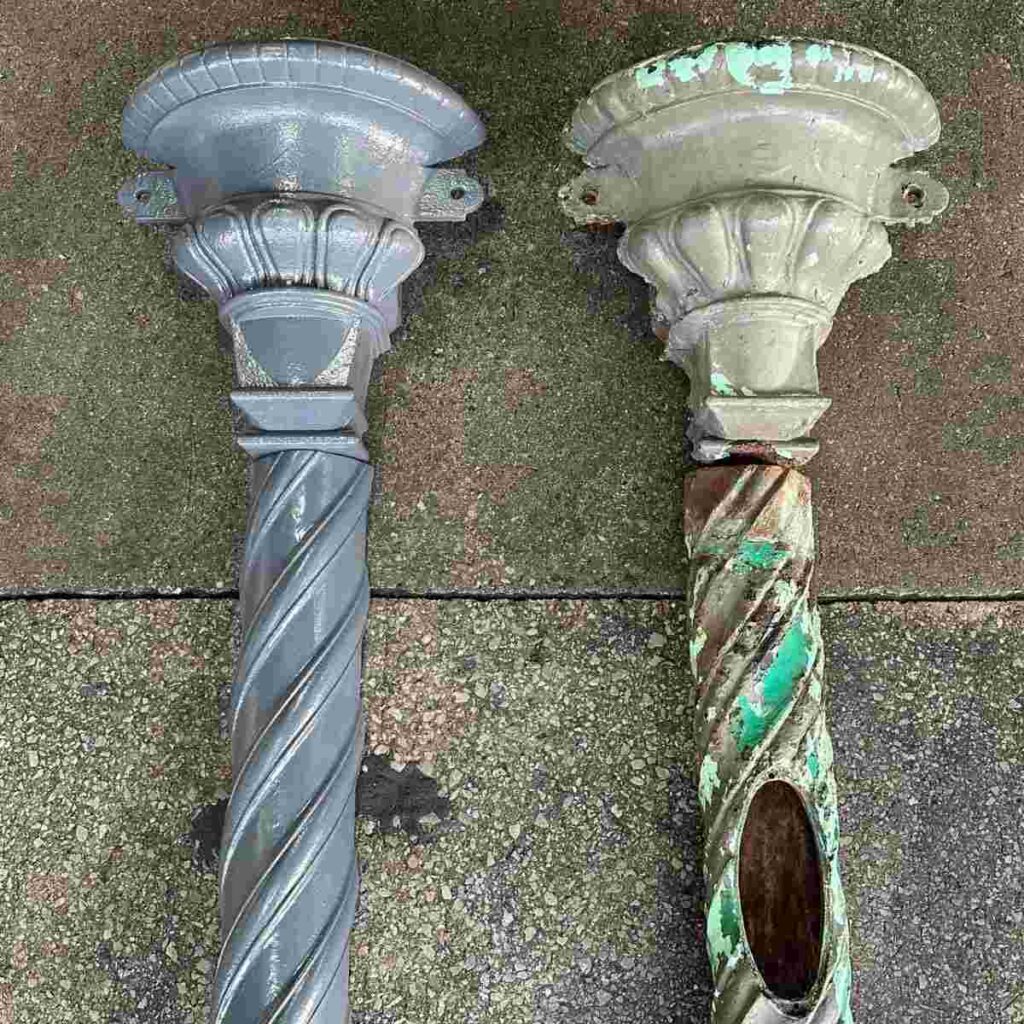
A critical aspect of the external refurbishment of Abbey Mills Pumping Station has been the restoration of its complex rainwater management system. The original cast iron rainwater pipes and hopper heads were not mere functional necessities; they were integral components of Charles Driver’s architectural vision. Driver utilised these elements to reinforce the building’s Italian Gothic and Venetian character, famously incorporating a “corkscrew twist” into the vertical downpipes—a detail that mirrored the ornate stone carvings of Venetian palaces.
The involvement of Tuscan Foundry Products in the recent refurbishment has been pivotal in preserving these historical details. As a specialist in heritage cast ironwork, Tuscan Foundry was tasked with

supplying new cast-iron rainwater pipes and hopper heads that are faithful replicas of the originals from 1868. This requirement stemmed from the station’s Grade II* listed status, which mandates that any replacement of original fabric must be on a “like-for-like” basis to maintain architectural integrity.
The replication process employed by Tuscan Foundry Products combines traditional sand-casting techniques with modern metallurgical precision. For the Abbey Mills project, this necessitated the creation of bespoke patterns to match the unique profiles of the Driver-designed components. In heritage restoration, when original components are missing or too damaged to serve as patterns, new moulds are often hand-carved in wood to ensure that every flourish and motif is captured with historical accuracy.
Component | Technical Specification | Historical Context |
Hopper Heads | Bespoke ornamental castings. | Designed to display motifs, dates, or symbols of status. |
Rainwater Pipes | Centrifugally cast with integral sockets. | Features the distinctive Venetian “corkscrew twist” pattern. |
Gutter Profiles | Traditional Ogee and Deep Half Round. | Scaled to handle the massive roof area of the cruciform plan. |
Protective Coating | High-build primer and polyurethane finish. | Provides 10-year durability before requiring maintenance. |
The rainwater pipes supplied by Tuscan Foundry are manufactured using centrifugal casting, a method where molten iron is poured into a rotating mould. This process ensures a uniform thickness and a smooth internal bore, which is essential for efficient water flow. Crucially, for the Abbey Mills project, the sockets are cast as an integral part of the pipe, rather than being attached separately. This single-piece construction mirrors the robustness of the original Victorian manufacturing and ensures that the “Venetian twist” detailing remains seamless across the length of the downpipe.
The hopper heads at Abbey Mills represent the intersection of Victorian artistry and hydraulic function. While their primary purpose is to collect rainwater from the gutters and direct it into the downpipes, Driver used them as opportunities for decorative expression. The replication of these heads by Tuscan Foundry involved matching the intricate Gothic tracery and naturalistic motifs that characterise the building’s exterior.
The importance of using genuine cast iron for these components cannot be overstated. Unlike modern substitutes such as PVC or cast aluminium, authentic cast iron possesses thermal stability and structural rigidity that allow it to withstand the significant weight of snow and ice accumulation common on the station’s large, steeply pitched roofs. Furthermore, cast iron is 100% recyclable, making it a sustainable choice for modern heritage conservation. The longevity of these systems—often exceeding 100 years—means that the whole-life cost of the installation is significantly lower than that of contemporary materials, which require more frequent replacement.
Abbey Mills Pumping Station remains a cornerstone of London’s environmental management. Its significance has only grown with the implementation of the Thames Tideway and Lee Tunnel projects. The Lee Tunnel, a four-mile sewage tunnel running from Abbey Mills to Beckton, was specifically designed to handle the massive volumes of overflow that previously discharged into the River Lea. Abbey Mills serves as the endpoint of the main Thames Tideway tunnel, a 25km “super sewer” that will further reduce the city’s reliance on Victorian-era outfalls.
The station’s role in the Tideway project is celebrated through the installation of bronze commemorative plaques at the site, designed by Marina Willer of Pentagram. These plaques use moiré interference patterns inspired by the station’s Byzantine architecture to evoke the movement of water, bridging the gap between Bazalgette’s nineteenth-century vision and twenty-first-century environmental goals. This integration of art and infrastructure continues the tradition established by Driver and Bazalgette, where the management of waste is treated not as a hidden shame but as a vital, visible triumph of engineering.
The preservation of Abbey Mills, including the painstaking replication of its rainwater systems by Tuscan Foundry and the restoration of its polychrome interior, ensures that the station remains a “much-admired icon of Victorian engineering”. It stands as a physical archive of the “Sanitary Revolution,” documenting a time when the city’s relationship with its river was fundamentally redefined. By maintaining the building in its original, flamboyant glory, Thames Water and its partners have preserved a vital piece of the city’s identity, proving that even a pumping station can be a “true site of historical and architectural interest”.
The restoration of the rainwater systems at Abbey Mills is indicative of a broader trend in British heritage conservation, where the emphasis is on the “faithful reproduction of historical structures” using traditional methods. This philosophy acknowledges that the aesthetic value of a building like Abbey Mills is inextricably linked to its material authenticity. The use of cast iron is central to this; it provides the “character and charm” that define Victorian architecture, a quality lost when replaced with modern synthetic alternatives.
Tuscan Foundry’s role in this ecosystem is to guard traditional skills. The process of sand casting, which has remained largely unchanged since
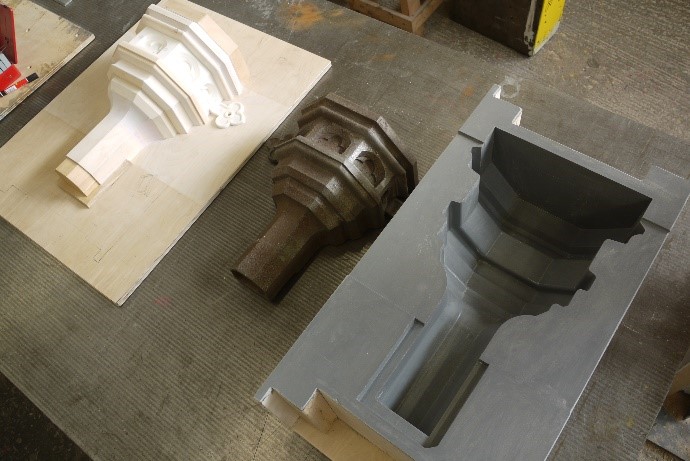
the Industrial Revolution, allows for a level of detail that modern mass production cannot match. Each component—whether a “corkscrew” downpipe or an ornate hopper head—is a “bespoke creation” that reflects the specific needs of the building. This commitment to craftsmanship ensures that the restoration work at Abbey Mills is not merely a repair but a continuation of the building’s 150-year-old story.
Material Property | Benefit to Heritage Restoration | Abbey Mills Application |
Ductility/Strength | Resists impact and weather damage. | Protecting yellow brickwork from water ingress. |
Sustainability | 100% recyclable; long life expectancy. | Reducing long-term maintenance impact of the site. |
Authenticity | Replicates Victorian aesthetic and weight. | Matching the “Venetian twist” downpipes by Charles Driver. |
Bespoke Utility | Allows for one-off castings of lost patterns. | Replicating unique Gothic hopper head designs. |
The ongoing work at Abbey Mills Pumping Station—from the subterranean depths of the Lee Tunnel to the gilded cresting of the central cupola—serves as a powerful reminder of the enduring legacy of Victorian engineering. By combining the visionary civil engineering of Joseph Bazalgette, the artistic ironwork of Charles Driver, and the contemporary craftsmanship of specialists like Tuscan Foundry and HIRC, London has ensured that its “Cathedral of Sewage” will continue to serve as a beacon of public health and architectural excellence for another century. The station remains a “testimony to the considerable engineering feat” of cleaning up the Thames, a project that fundamentally changed London’s relationship with its river and its inhabitants.
The intricate nature of the Abbey Mills restoration necessitates a deeper exploration of the architectural semantics Driver employed. The decision to use a cruciform plan was a deliberate choice that transposed the sacred geometry of the church onto the profane mechanics of hydraulic management. This religious symbolism was not accidental; it served to ennoble the task of sewage disposal, framing it as a moral crusade for the public good. The “Cathedral of Sewage” was thus a monument to the Victorian belief in progress, where the mastery of nature through technology was viewed as a divine mandate.
In this context, the ironwork becomes the primary narrative tool. Drivers’ use of iron was not merely a matter of structural economy but an exploration of the material’s expressive potential. The internal iron pillars, with their French Gothic tops, and the cast ironwork arcading, decorated with colourful flowers and leaves, created an environment that was intentionally “poetical”. This was an architecture of reassurance, designed to convince a sceptical public that the new sewer system was a clean, rational, and even beautiful addition to the city.
The restoration of the rainwater systems by Tuscan Foundry continues this narrative. By replicating the “Venetian corkscrew” downpipes and the “Moorish” detailing of the hopper heads, the restoration maintains the building’s exoticism. These elements are not just conduits for water; they are markers of the Victorian “Shipping Parishes: Gateway to the World” cultural narrative, reflecting London’s status as a global hub that drew inspiration from every corner of the earth.
While the historical and architectural value of Abbey Mills is paramount, its role in the contemporary Thames Tideway Tunnel project represents its functional apex. As the endpoint for the main Tideway tunnel, Abbey Mills is now the most critical intersection in London’s subterranean network. The Lee Tunnel, which connects Abbey Mills to Beckton, is a marvel of modern engineering, designed to capture 16 million tonnes of sewage annually that previously overflowed into the River Lea.
The integration of the Victorian Station A into this modern network is a masterclass in adaptive reuse. The station’s electric pumps are no longer the primary movers of waste, but they serve a vital “peaking” function, providing the extra capacity required during intense rainfall events, which are becoming more frequent due to climate change. This synergy between Bazalgette’s 1868 structure and the 2024 Tideway infrastructure demonstrates the foresight of the original design. Bazalgette famously oversaw the construction of his sewers, predicting that London’s population would continue to grow—a decision that has saved the city from infrastructural collapse for over 150 years.
The physical marker of this integration is the bronze plaque at the Greenway, overlooking the pumping station. It serves as a public reminder that the “hidden feat of engineering” beneath the surface is the work of thousands of people, from the 20,000 labourers who built the original system to the modern engineers and craftsmen who maintain it today. The plaque’s moiré pattern, which changes with the viewer’s perspective, reflects the fluid, ever-changing nature of the city’s relationship with its water resources.
The story of Abbey Mills Pumping Station is one of continuous reinvention. From its origins as a monastic watermill to its zenith as the “Cathedral of Sewage” and its current role as a standby for the Thames Tideway, the site has remained central to London’s survival. The recent refurbishments have highlighted the importance of a multidisciplinary approach to heritage management. The chemical analysis of pigments, the traditional sand casting of iron, and the modern architectural planning of Station F have all contributed to the site’s preservation.
The involvement of Tuscan Foundry Products in replicating the original
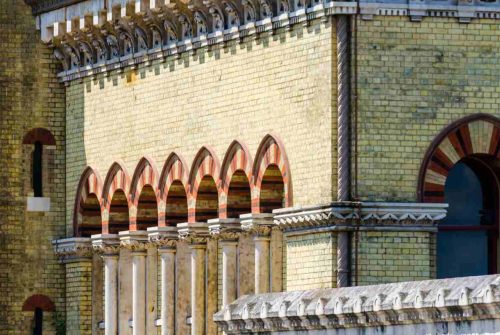
rainwater systems is a microcosm of this broader effort. It represents a commitment to material truth and historical accuracy, ensuring that the “Venetian” and “Gothic” flourishes of Charles Driver are not lost to the ravages of time and weather. By choosing the “Benchmark for rainwater systems”—cast iron—the restoration has prioritised longevity and sustainability over short-term cost savings.
Ultimately, Abbey Mills stands as a monument to the “brave Victorian engineers” who fought to build a healthier London. It is a building that celebrates its function, turning the management of waste into a grand architectural spectacle. As London continues to grow and adapt to the challenges of the twenty-first century, the “Cathedral of Sewage” will remain a vital, vibrant, and polychromatic reminder of the city’s ability to engineer its way out of crisis. The “splendid colour schemes” and “enriched cast ironwork” are not merely decorations; they are the symbolic armour of a system that keeps the city moving, both above and below ground.