It is possible for us to supply towel warmers with an electric heating element in them. The Electrad system is a unique system available to us, that enables independent heating of towel rails and radiators via the properties electrical system.
Established 1893 | BS 460:2002 Certified | UK & International Supply | Expert Technical Support | 0333 987 4452
£4.36 +VAT
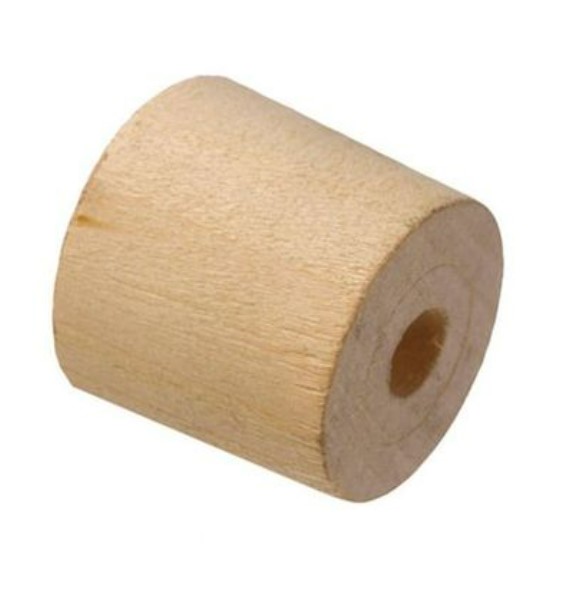
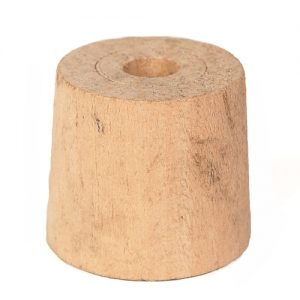
Wooden pipe bobbin – 30mm projection for fixing cast iron downpipes.
The wooden pipe bobbin is used to fix cast iron downpipes to masonry walls where a soft packing or spacer is required between the pipe ear and the wall surface. The bobbin is driven into a prepared hole in the mortar joint or masonry, and the pipe fixing nail or screw passes through it to secure the pipe ear. This method creates a slightly proud fixing that protects the wall surface from direct metal contact and allows for minor adjustment of the pipe position.
A traditional fixing component that replicates the original method used on Georgian and Victorian buildings. Particularly appropriate on soft stone, brick, or lime-mortared masonry where direct hard-metal fixings could cause damage over time. Used in conjunction with pipe fixing nails for a period-accurate installation on listed and conservation buildings. For specification support, call 0333 987 4452.
| Size | 75mm, 100mm |
|---|
It is possible for us to supply towel warmers with an electric heating element in them. The Electrad system is a unique system available to us, that enables independent heating of towel rails and radiators via the properties electrical system.
Our cast iron airbricks are supplied in primed finish, ready for on-site painting. This allows them to be finished to match the existing ironwork or masonry colour of the building. Standard black gloss is the most common finish for conservation and heritage projects.
Yes. Cast iron ornamental vents in period patterns are frequently specified on listed buildings and conservation area properties as like-for-like replacements for original Victorian ironwork. Conservation officers generally accept cast iron in period patterns without objection. We can supply specifications to support planning and listed building consent applications.
Yes. Cast iron rainwater goods are widely accepted by conservation officers and historic environment bodies as the appropriate material for listed buildings. Tuscan Foundry's hopper heads are manufactured in solid cast iron to BS 460 specification and are suitable for use on all listed building classes. A linseed oil paint finish is also available, which is particularly appropriate for conservation projects.
Tuscan Foundry's cast iron hopper heads are available in Standard Black and Heritage Colour finishes. A linseed oil paint finish is also offered — a sustainable, vapour-permeable option particularly appropriate for listed buildings and conservation projects. Heritage colour swatches are available from the team on request.
Yes. Our telescopic screw-jack openers and pole-operated handles are compatible with Lumen Rooflight systems. They are also suitable for use with other timber-framed rooflights and skylights fitted with appropriate catches or stays. If you are unsure of compatibility, call us on 0333 987 4452 and we can advise.
Yes. Polished brass is a historically appropriate finish for period and listed buildings and is generally acceptable to conservation officers. If your project requires specific confirmation, we are happy to advise — call 0333 987 4452.
The right size depends on the width of your gutter run and the volume of water you need to collect. The Strayton H42A is available in four widths: 305mm (12"), 355mm (14"), 457mm (18"), and 610mm (24"). As a general guide, wider hoppers suit larger roof areas and heavier rainfall zones. If you are unsure, our team can advise based on your gutter profile and catchment area — call 0333 987 4452.
The polished chrome telescopic rooflight hand winder opener is available in multiple sizes. The telescopic mechanism adjusts to accommodate varying rooflight positions and throw requirements. For a full list of available sizes, visit tuscanfoundry.com or call 0333 987 4452.
A hit and miss vent has a sliding plate on the back of the grille that can be opened, partially restricted, or closed entirely without removing the vent from the wall. This allows airflow to be controlled from inside the building, making it suitable for underfloor void ventilation and through-wall ventilation where adjustable airflow is needed.