Established 1893 | BS 460:2002 Certified | UK & International Supply | Expert Technical Support | 0333 987 4452
£118.90 – £175.10Price range: £118.90 through £175.10 ex VAT (£142.68 – £210.12 inc VAT)
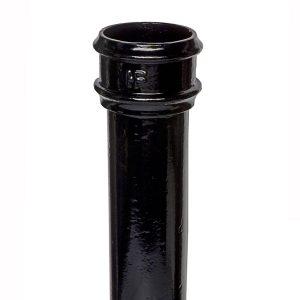
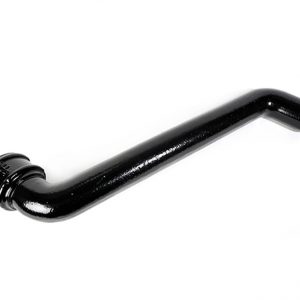
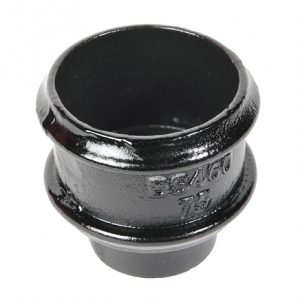
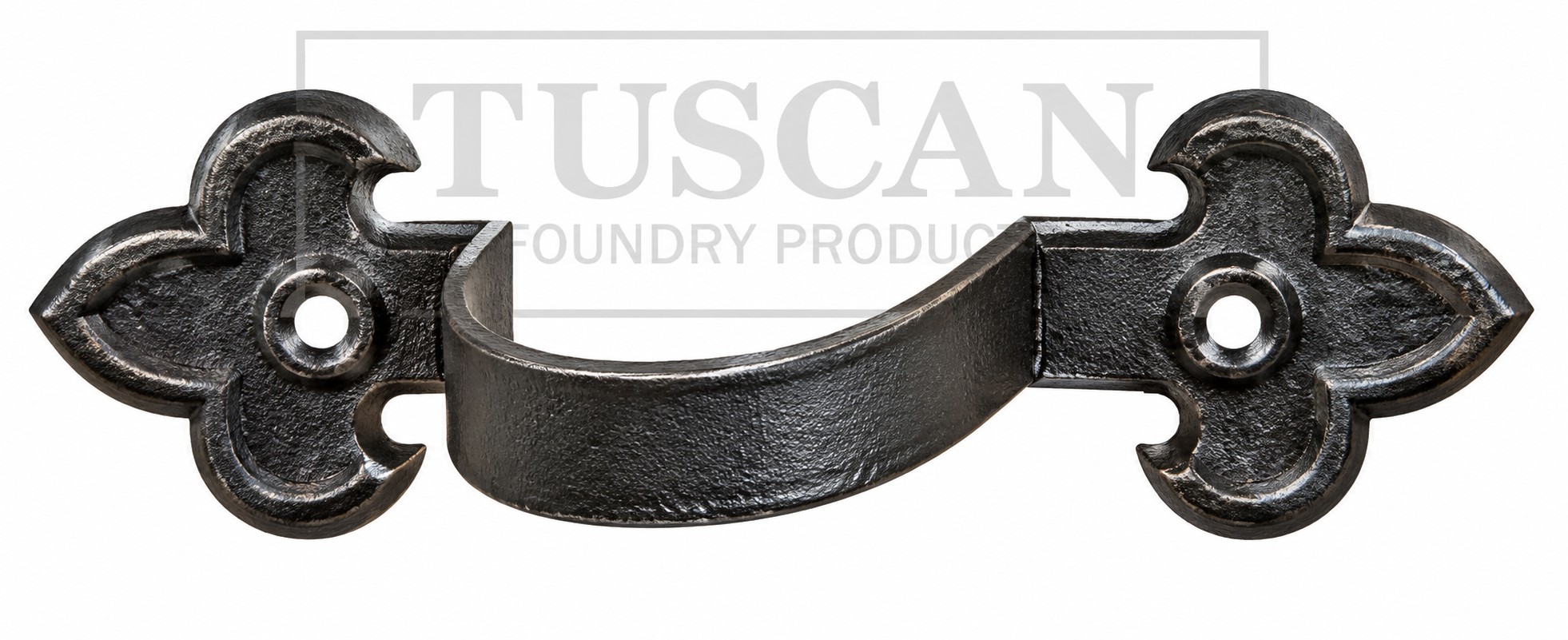
Cast iron round ornamental pipe earband type B for cast iron pipe. Our round ornamental cast iron downpipe earbands are used instead of eared pipes or fittings.
Sizes Available:
65mm (2.5″) cast iron pipe
75mm (3″) cast iron pipe
100mm (4″) cast iron pipe
UK delivery from £30. Fittings are despatched boxed. See delivery rates.
Cast iron ornamental downpipe earbands for round rainwater downpipes: pattern type (B)
Tuscan Foundry Products offers one of the UK’s most comprehensive ranges of brackets and can manufacture bespoke products to match your existing brackets if required.
Technical
Ornamental cast iron rainwater pipe earbands are available for 65mm (2.5″), 75mm (3″) and 100mm (4″) cast iron downpipes.
| Pipe Size/Finish | Primer 65mm, Primer 75mm, Primer 100mm, Black Painted 65mm, Black Painted 75mm, Black Painted 100mm |
|---|
Please call 0333 987 4452 or use the contact form with the size, quantity and connection details, and we'll provide a quotation.
Yes. Cast iron hopper heads are the historically correct choice for listed and period buildings, and a like-for-like cast iron replacement is generally accepted without objection by conservation officers. We manufacture to BS 460 for genuine heritage character and durability.
Hopper heads are supplied in red oxide primer ready for on-site painting, or pre-finished in black. A full range of Heritage Colours in traditional linseed oil paint is also available on request — please contact us for the swatch chart.
The Iron Works Patterned Hit & Miss Vents are available in two sizes: 225mm × 82mm (single-course, suitable for standard airbrick positions) and 225mm × 150mm (double-course format). Both sizes are available in all three finishes: Antique Black, Polished Lacquered, and Polished Brass.
Yes. Cast iron hopper heads are the historically correct choice for listed and period buildings, and a like-for-like cast iron replacement is generally accepted without objection by conservation officers. We manufacture to BS 460 for genuine heritage character and durability.
Yes. Both the satin and polished chrome telescopic rooflight hand winder openers are compatible with Lumen Rooflights and most timber-framed skylights. Call 0333 987 4452 if you need to confirm compatibility with a specific model.
The handle is compatible with Lumen Rooflights and most pole-operated rooflight and skylight systems. If you are unsure whether it suits your specific rooflight, call us on 0333 987 4452 and we can advise.
The Calnethorpe is designed for formal classical and Georgian elevations where scale and material authenticity matter — large townhouses, country houses, manor houses, and institutional buildings. It is also widely specified for new-build heritage projects where cast iron rainwater goods are required to conservation standard.
Victorian properties most commonly used Ogee (OG) gutter profiles, including the standard Cast Iron Ogee and the G46 Moulded Ogee. Half Round guttering was also widely used, particularly in the later Victorian period. The correct profile depends on what is already present on the building — we recommend inspecting any surviving sections and matching the profile, size, and socket direction exactly. We supply 19 standard gutter profiles and can copy-cast any non-standard profile from a drawing, photograph, or physical sample.
Linseed oil paint is the most appropriate finish for cast iron guttering on listed and historic buildings. It is breathable, flexible, and penetrating — qualities that suit the movement characteristics of cast iron through seasonal temperature changes. Tuscan Foundry Products offers a curated range of heritage linseed oil colours. For modern applications, a high-quality exterior oil-based paint system over a metal primer is also acceptable.