Prices are shown on the product pages at tuscanfoundry.com. For project or volume enquiries, please call 0333 987 4452 or use the contact form on our website.
Established 1893 | BS 460:2002 Certified | UK & International Supply | Expert Technical Support | 0333 987 4452
£154.47 +VAT
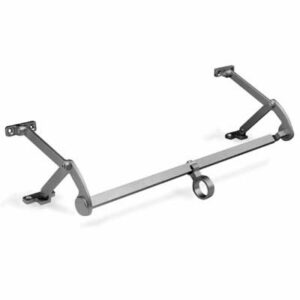
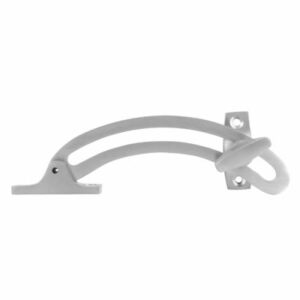
| App_Timber | Yes |
| Application | Timber |
| Finish | Bright Zinc Plated |
| Finish Group | Zinc Plated |
| Length mm | 305mm |
| Option | Fanlight Opener |
| Price | 0 |
| Throw mm | 262mm |
| Type | Cord Operated |
Prices are shown on the product pages at tuscanfoundry.com. For project or volume enquiries, please call 0333 987 4452 or use the contact form on our website.
Yes. Cast iron ornamental vents in period patterns are frequently specified on listed buildings and conservation area properties as like-for-like replacements for original Victorian ironwork. Conservation officers generally accept cast iron in period patterns without objection. We can supply specifications to support planning and listed building consent applications.
The Iron Works Patterned Hit & Miss Vent suits Victorian and Edwardian buildings where decorative cast iron or brass ventilation grilles were part of the original specification — including terrace houses, civic buildings, churches, entrance halls, and estate properties. It is appropriate on listed buildings and conservation area properties as a like-for-like decorative vent replacement, and on new heritage-quality construction where period detailing is required.
Yes. Polished brass is a historically appropriate finish for period and listed buildings and is generally acceptable to conservation officers. If your project requires specific confirmation, we are happy to advise — call 0333 987 4452.
Prices are shown on each product page. For project quantities, bespoke specifications, or conservation-related queries, please call us on 0333 987 4452 or use the contact form on our website.
The right size depends on the width of your gutter run and the volume of water you need to collect. The Strayton H42A is available in four widths: 305mm (12"), 355mm (14"), 457mm (18"), and 610mm (24"). As a general guide, wider hoppers suit larger roof areas and heavier rainfall zones. If you are unsure, our team can advise based on your gutter profile and catchment area — call 0333 987 4452.
BTU stand’s for British Thermal Units. This was the old (Imperial) measurement for heat in connection with plumbing. Although BTU’s is a term still commonly used within the heating and plumbing, the industry is now going over to KW’s Kilowatts.
Yes. Cast iron rainwater goods are widely accepted by conservation officers and historic environment bodies as the appropriate material for listed buildings. Tuscan Foundry's hopper heads are manufactured in solid cast iron to BS 460 specification and are suitable for all listed building grades. A linseed oil paint finish is also available, which is particularly appropriate for conservation projects.
The Cast Iron Louvre Airbrick suits Victorian and Edwardian terraced housing, semi-detached properties, public houses, agricultural buildings, and workshop structures where the original airbrick was a louvre-face grille. The horizontal fin profile is widely found in British domestic and light industrial construction from the 1870s through to the 1950s.
Yes. Cast iron is the material required by most conservation officers and listed building consents for the replacement or replication of traditional rainwater goods. Our hopper heads are produced in solid cast iron and we can assist with specification notes or material statements for planning purposes if required.