Yes. Both the satin and polished chrome telescopic rooflight hand winder openers are compatible with Lumen Rooflights and most timber-framed skylights. Call 0333 987 4452 if you need to confirm compatibility with a specific model.
Established 1893 | BS 460:2002 Certified | UK & International Supply | Expert Technical Support | 0333 987 4452
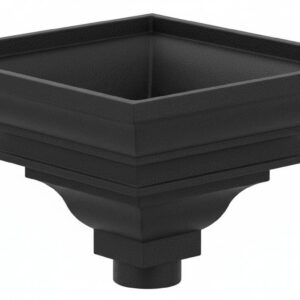
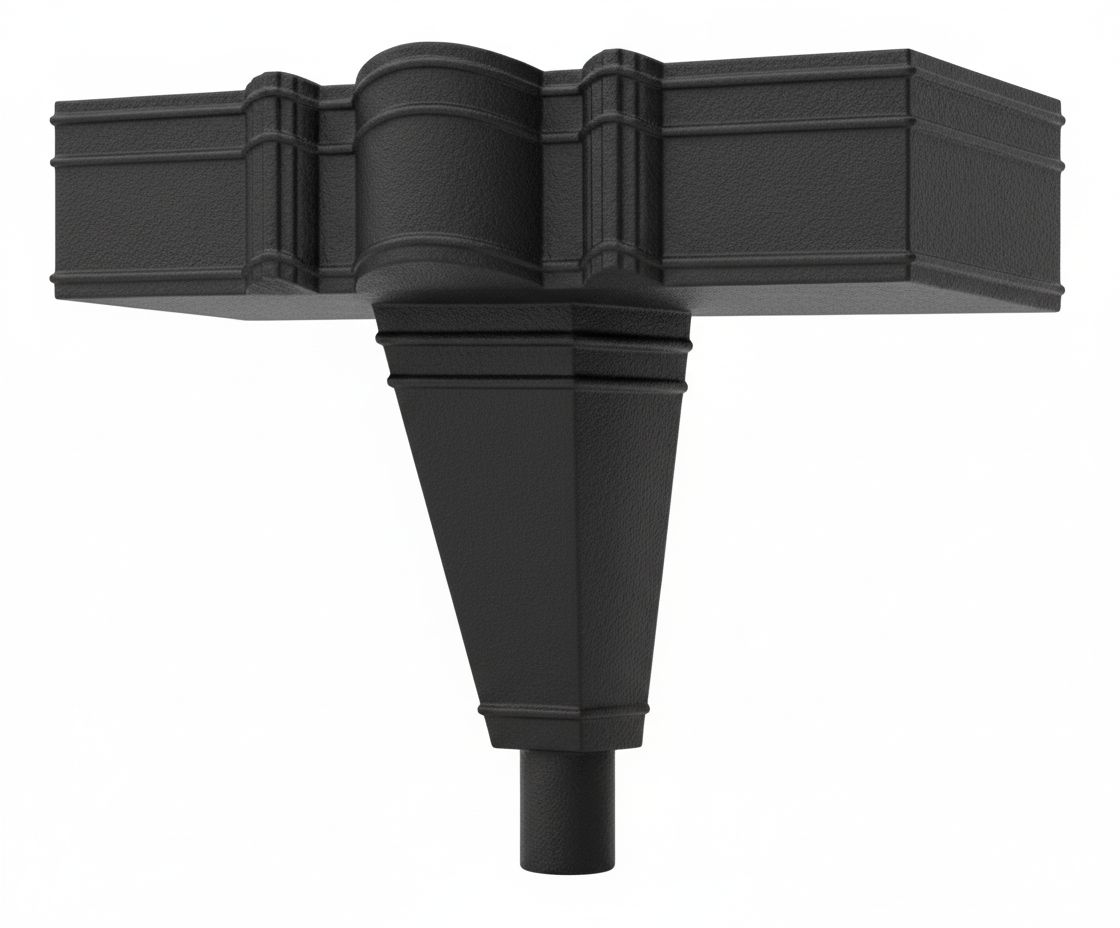
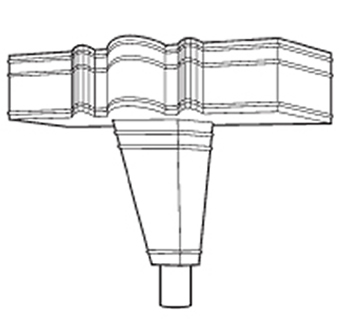
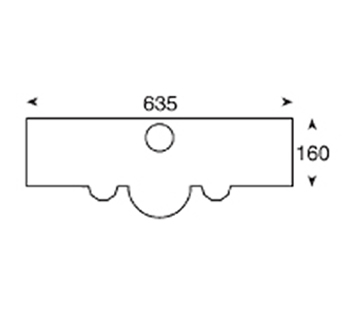
Cast iron ornamental hopper head: 635mm wide x 160mm deep x 510mm high
| Finish | Primer, Black |
|---|---|
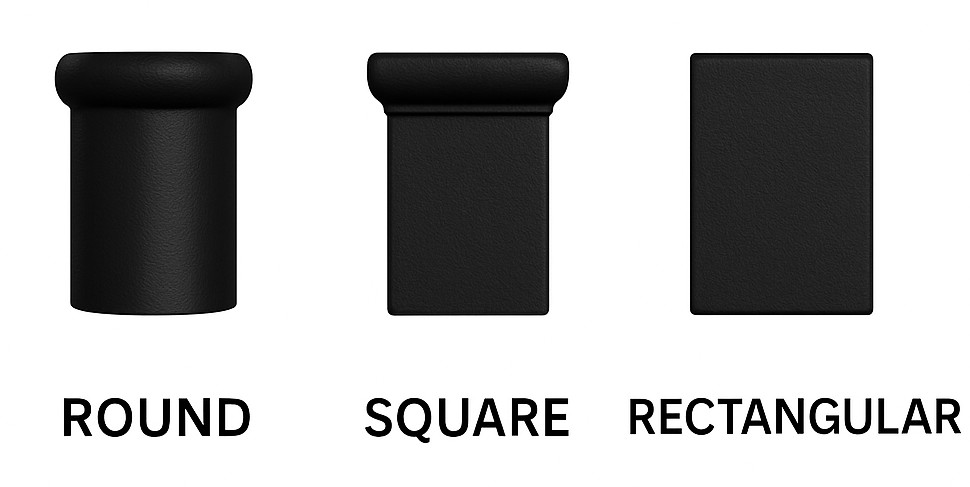
| Connection | 65mm Round, 75mm Round, 100mm Round, 75mm x 75mm Square, 100mm x 100mm Square, 125mm x 125mm Square, 100mm x 75mm Rectangular, 125mm x 100mm Rectangular, 150mm x 125mm Rectangular |
Yes. Both the satin and polished chrome telescopic rooflight hand winder openers are compatible with Lumen Rooflights and most timber-framed skylights. Call 0333 987 4452 if you need to confirm compatibility with a specific model.
Cast iron radiators cost no more to run than modern steel or aluminium radiators. Cast iron is a very efficient material at emitting heat, thus you have items like le creuset cast iron pans. Cast iron holds it’s heat extremly well, which means that the radiators stay warm for longer.
Yes. Cast iron is the material required by most conservation officers and listed building consents for the replacement or replication of traditional rainwater goods. Our hopper heads are produced in solid cast iron and we can assist with specification notes or material statements for planning purposes if required.
Tuscan Foundry's cast iron hopper heads are available in Standard Black and Heritage Colour finishes. A linseed oil paint finish is also offered — a sustainable, vapour-permeable option particularly appropriate for listed buildings and conservation projects. Heritage colour swatches are available from the team on request.
The Brass Rooflight Opener Handle 1520mm is a pole-operated handle designed for manual rooflight opening mechanisms. It is suitable for use with Lumen Rooflights and compatible timber-framed skylights, and is particularly appropriate for period and heritage properties where a brass finish is specified.
Yes. A polished brass finish is historically appropriate for period buildings and is generally acceptable to conservation officers for listed building projects. If you are unsure about the specification requirements for your project, we are happy to advise — call 0333 987 4452.
Yes. The ornamental foliate pattern was widely used in Victorian construction and is appropriate for Grade II listed buildings and conservation area properties. Its decorative character is often preferable to a plain pattern on prominent or formal elevations. We recommend confirming the pattern with your conservation officer as part of any listed building consent application.
A corner hopper head collects rainwater from two gutters running at right angles and channels it into a single downpipe. They are typically required at internal roof valleys, on hipped roofs, and wherever two runs of gutter converge at a corner. The Regent H1A is designed specifically for this application and is sized to suit the most common gutter profiles.
Yes. Decorative cast iron and brass ventilation grilles of this pattern were widely used in Victorian and Edwardian buildings, and like-for-like replacements are generally accepted by conservation officers for listed building works. We can provide product specifications and material details to support listed building consent applications if required.
The Gothic foliate tracery design of the Ornamental Airbrick provides a good free-flow ventilation area relative to its face size. The open area is comparable to other standard cast iron airbrick patterns. The visual density of the pattern at a distance reads as solid ironwork, which suits formal and decorative elevations without compromising subfloor ventilation effectiveness.