Available in two sizes: 225mm x 82mm (single airbrick course height) and 225mm x 150mm (double course height). Both sizes fit standard brick coursing positions and install flush into the wall face.
Established 1893 | BS 460:2002 Certified | UK & International Supply | Expert Technical Support | 0333 987 4452
£62.40
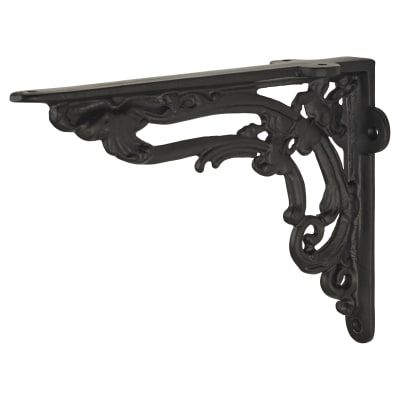
| Finish | Black |
| Price | 0 |
| Size mm | 210 x 160 x 45mm |
| Type | Bracket |
Available in two sizes: 225mm x 82mm (single airbrick course height) and 225mm x 150mm (double course height). Both sizes fit standard brick coursing positions and install flush into the wall face.
Yes. Polished brass is a historically appropriate finish for period and listed buildings and is generally acceptable to conservation officers. If your project requires specific confirmation, we are happy to advise — call 0333 987 4452.
Yes. Cast iron rainwater goods are widely accepted by conservation officers and historic environment bodies as the appropriate material for listed buildings. Tuscan Foundry's hopper heads are manufactured in solid cast iron to BS 460 specification and are suitable for all listed building grades. A linseed oil paint finish is also available, which is particularly appropriate for conservation projects.
The Antique Black finish suits Victorian, Edwardian, and inter-war buildings where ventilation ironwork was painted rather than polished — estate houses, terrace housing, civic buildings, and rural properties. It is also correct for listed buildings and conservation area properties requiring like-for-like replacement of original ornamental cast iron vents.
The Pultney Tapered Hopper Head is available in three pipe connection sizes: 65mm (2.5"), 75mm (3"), and 100mm (4"). Each size connects directly to matching cast iron downpipes via spigot and socket. Compatible downpipe codes are: 65mm — RH025, XRH025; 75mm — RH03, XRH03; 100mm — RH04, XRH04.
The Ornamental Airbrick is suited to Victorian villas, bay-fronted terraces, Gothic Revival institutional buildings, church halls, and civic buildings where decorative ironwork is part of the architectural language. It is also appropriate for listed buildings and conservation area properties where the airbrick is on a prominent elevation and the ventilation grille is expected to carry decorative character.
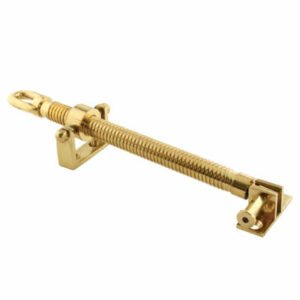
Tuscan Foundry supplies screw-jack rooflight openers in polished brass, satin chrome, and polished chrome finishes. Options include telescopic hand-winder openers in 150mm, 250mm, and 300mm sizes, fixed screw-jack stays, and pole-operated handles for high-level rooflights. All are designed for timber-framed rooflights and skylights.
The handle is compatible with Lumen Rooflights and most pole-operated rooflight and skylight systems. If you are unsure whether it suits your specific rooflight, call us on 0333 987 4452 and we can advise.
Yes. Cast iron airbricks are the appropriate material for listed buildings and conservation area properties where the original ventilation grilles were cast iron. They maintain the character and material authenticity required by most conservation officers and listed building consent conditions. We recommend confirming the specific pattern with your conservation officer before ordering.
With National Maintenance week fast approaching (18th – 25th November 2011), Tuscan Foundry Products Ltd have decided to help period property owners look after rainwater systems by offering big discounts on selected cast iron gutters, pipes and fittings.
Friday 25th November is designated as National Gutters Day and on this particular day, homeowners are encouraged to check their systems for evidence of damage. Repairing sections of damaged cast iron gutter and pipe can help avoid potentially thousands of pounds of damage to brickwork.
Tuscan is offering these savings across a range of profiles and includes both primer and painted stock. The offers will only be available whilst stocks last so visit our website to view our discounted cast iron rainwater goods today.
For more information concerning National Maintenance Week visit the Society for the Protect of Ancient Buildings (SPAB) at www.maintainyourbuilding.org.uk