We are able to place dates and initials and insignia onto most of our flat faced rainwater hopper heads.
Established 1893 | BS 460:2002 Certified | UK & International Supply | Expert Technical Support | 0333 987 4452
£141.77
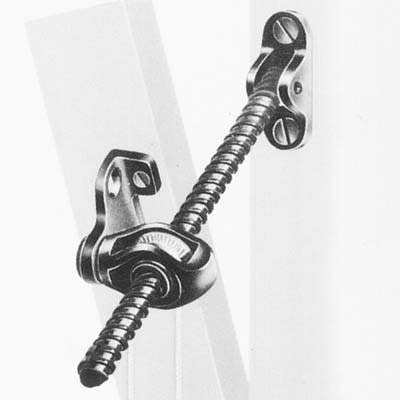
| App_Timber | Yes |
| Application | Timber |
| Finish | Bright Zinc Plated |
| Finish Group | Zinc Plated |
| Length mm | 153mm |
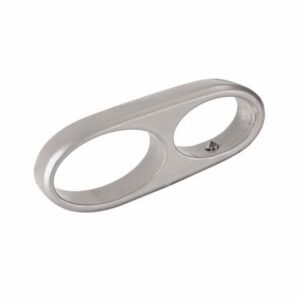
| Option | Fanlight Opener |
| Price | 0 |
| Throw mm | 120mm |
| Type | Cord Operated |
We are able to place dates and initials and insignia onto most of our flat faced rainwater hopper heads.
Our cast iron airbricks are available in a choice of finishes including primer and painted options. If you require a specific finish for a conservation project or to match existing ironwork, please call us on 0333 987 4452 to discuss.
Cast iron radiators cost no more to run than modern steel or aluminium radiators. Cast iron is a very efficient material at emitting heat, thus you have items like le creuset cast iron pans. Cast iron holds it’s heat extremly well, which means that the radiators stay warm for longer.
It is possible for us to supply towel warmers with an electric heating element in them. The Electrad system is a unique system available to us, that enables independent heating of towel rails and radiators via the properties electrical system.
The Paxton H82 accepts round, square, and rectangular pipe connections. Round: 65mm, 75mm, and 100mm. Square: 75×75mm, 100×100mm, and 125×125mm. Rectangular: 100×75mm, 125×100mm, and 150×100mm. Bespoke adaptations including double pipe connections are also available on request. Please confirm your required connection type when ordering.
Casting of iron is an imperfect processs. It is possible with some cast iron radiators that you will get minor imperfections in the surface finish. When radiators are painted this will reduce and over the years every additional coat of paint applied will provide a smoother more equal finish.
The Cast Iron Louvre Airbrick suits Victorian and Edwardian terraced housing, semi-detached properties, public houses, agricultural buildings, and workshop structures where the original airbrick was a louvre-face grille. The horizontal fin profile is widely found in British domestic and light industrial construction from the 1870s through to the 1950s.
Yes. The ornamental foliate pattern was widely used in Victorian construction and is appropriate for Grade II listed buildings and conservation area properties. Its decorative character is often preferable to a plain pattern on prominent or formal elevations. We recommend confirming the pattern with your conservation officer as part of any listed building consent application.
Prices for rooflight openers are shown on the product pages at tuscanfoundry.com. For volume orders, project pricing, or compatibility queries, please call 0333 987 4452 or use the contact form on our website.
Yes. A polished brass finish is historically appropriate for period buildings and is generally acceptable to conservation officers for listed building projects. If you are unsure about the specification requirements for your project, we are happy to advise — call 0333 987 4452.