
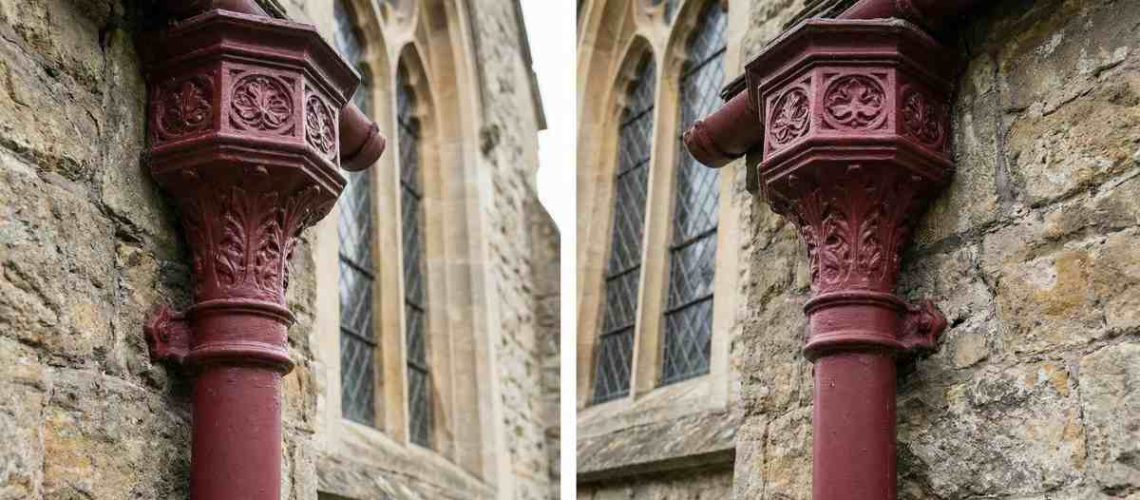
Across the UK, our churches and ecclesiastical buildings form an irreplaceable part of the nation’s spiritual and architectural heritage. From ancient parish churches to majestic cathedrals, these buildings are symbols of community, history, and faith. However, their preservation is not automatic. It depends heavily on regular maintenance, timely repairs, and informed decision-making—especially by Churchwardens and Parochial Church Councils (PCCs).
At Tuscan Foundry Products, we understand the unique challenges faced by those responsible for church fabric. With over 130 years of experience in traditional cast iron rainwater and drainage systems, we provide more than just products. We offer guidance, compliance support, and peace of mind.
Church buildings are often centuries old, constructed with traditional materials and methods. Their longevity depends on attentive care. The Church of England mandates a Quinquennial Inspection (QI) every five years, ensuring a qualified conservation architect surveys the building’s condition. This report typically highlights issues ranging from urgent roof repairs to blocked or degraded rainwater systems.
Neglecting such maintenance risks costly damage. Water ingress, often caused by broken or ineffective gutters and downpipes, is a leading cause of structural decay. A “stitch in time” philosophy is promoted by Historic England and the National Churches Trust—minor repairs made early can save thousands in future restoration.
Find and Architect
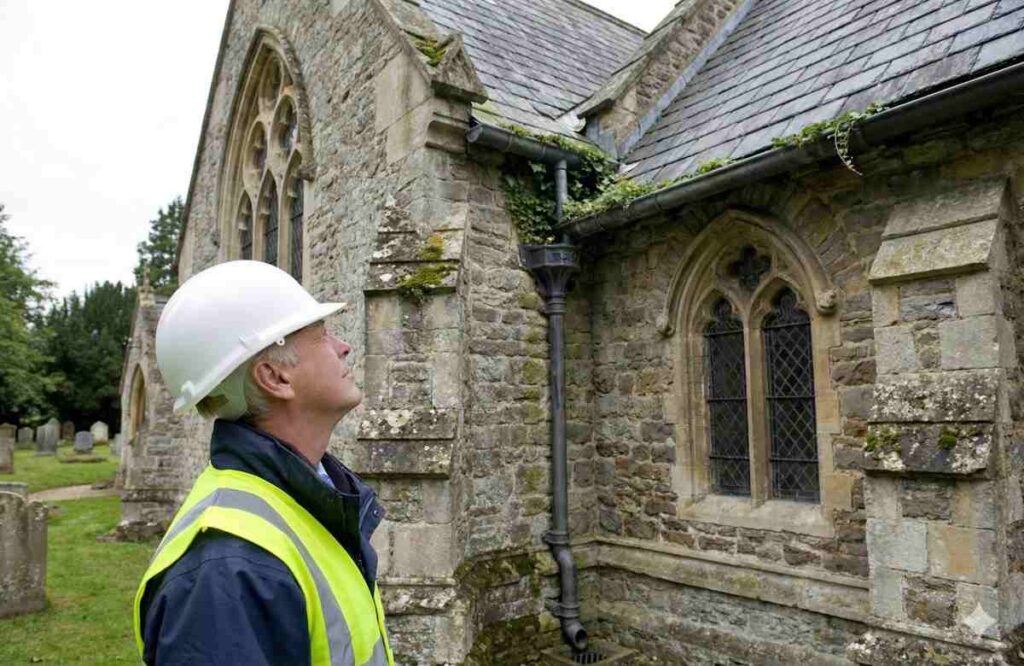
Churchwardens are often the eyes and ears of the church fabric. Whether unlocking the church for contractors or climbing ladders to clear gutters, they are critical to spotting early signs of wear. PCCs, meanwhile, carry the legal responsibility for all financial and structural decisions.
Yet many church volunteers feel under-equipped to manage heritage assets. That’s where we come in. Tuscan Foundry supports churchwardens and PCCs with straightforward advice, technical resources, and access to approved, heritage-compliant materials.
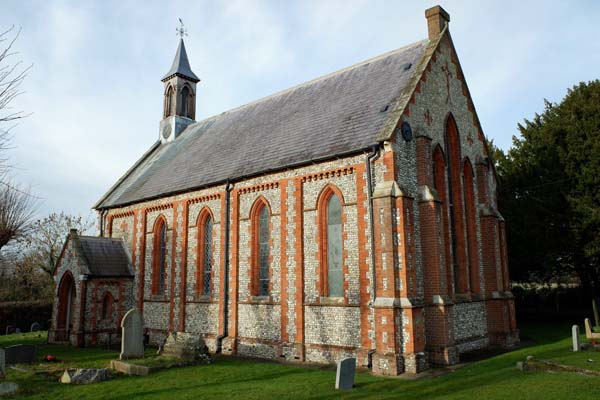
Church buildings, particularly Grade I and II* listed ones, are protected by Faculty Jurisdiction rather than standard planning law. Any material change to the building requires permission.
For repairs, the Church of England uses a three-tiered system:
Choosing cast-iron rainwater goods from Tuscan Foundry allows most projects to proceed under List B—a faster, more straightforward, and free-approval route.
Unlike uPVC or lightweight aluminium, cast iron is strong, historically authentic, and built to last over 100 years with minimal maintenance. Modern plastic systems may fail within 15-20 years, leading to repeat costs and hidden damage.
Our products are designed to match historic patterns—ideal for Victorian and Edwardian churches. Cast iron also withstands snow loads, vandalism, and environmental wear far better than modern alternatives. It’s 100% recyclable, aligning with the Church’s Net Zero 2030 goals.
Many parishes worry about cost. Fortunately, the Listed Places of Worship Grant Scheme (LPWGS) offers a full refund of the VAT paid on eligible repairs. This reduces the financial burden significantly.
In addition, funding from the National Churches Trust, Heritage Lottery Fund, and local Historic Churches Trusts can cover essential fabric works—especially when traditional materials are specified. We help churches present precise specifications and documentation, thereby improving the success of grant applications.
How Tuscan Foundry Supports You
2. Technical Guidance: We offer sample specifications, drawings, and advice tailored for church buildings.
3. Support for Churchwardens: Simple guides and direct assistance to help you explain your decisions to the PCC.
4. Architect-Backed Compliance: We work with conservation architects to ensure our profiles match original fittings.
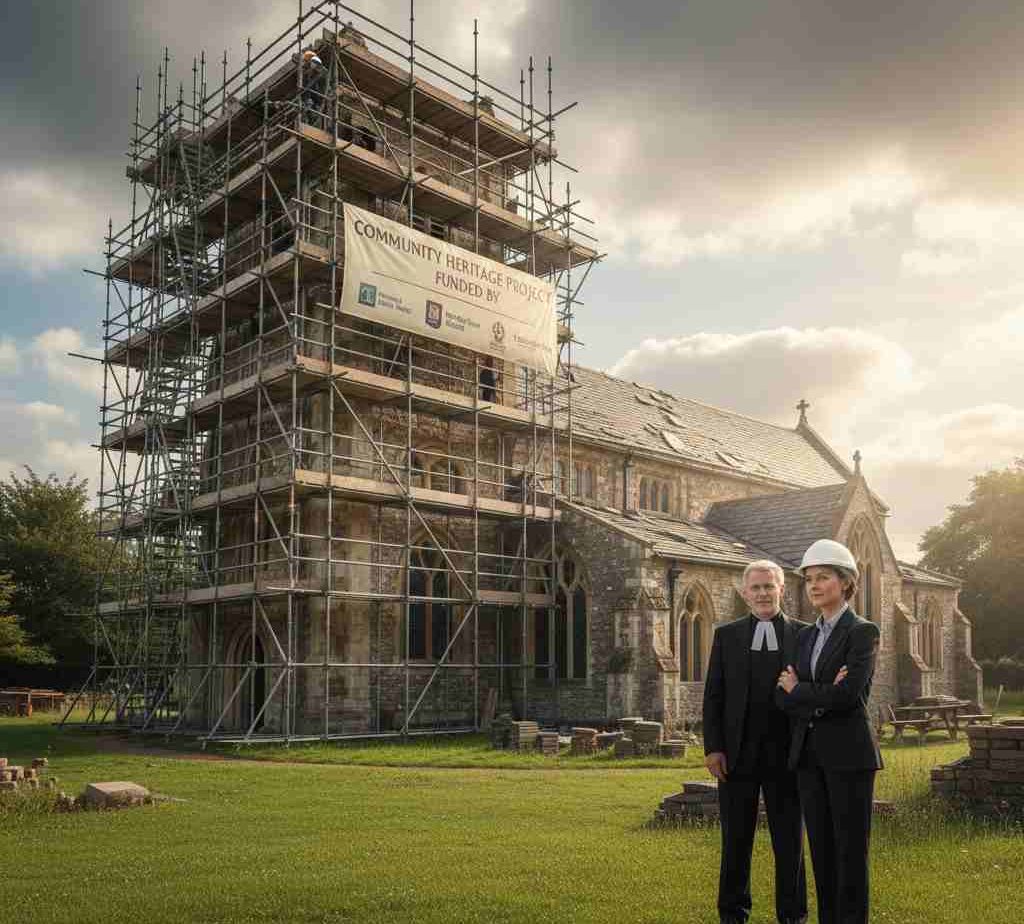
5. Reliable Delivery: In stock and ready for scheduled works, reducing scaffolding delays.
St Mary’s Church, Beverley (Grade I)
This medieval masterpiece suffered recurring water ingress due to failing gutters. Cast iron replacements provided an authentic visual match while improving performance. The project qualified under List B and reclaimed VAT through the LPWGS.
All Saints, High Wycombe (Grade II)*
All Saints upgraded its failing plastic gutters to durable cast iron. The project was approved by the Archdeacon under List B, and the churchwardens reported a marked improvement in both function and aesthetics.
St Peter’s, Chertsey (Grade II)
Dating back to the 12th century, this church used our Victorian Ogee profiles to replace cracked originals. The DAC praised the historically appropriate detail and easy approval route.
St George’s, Taunton (Grade I)
A leaking hopper was causing masonry staining and internal damp. The replacement hopper retained the original motif while improving water flow and durability.
St Michael’s, Penkridge
Routine maintenance discovered downpipe corrosion. Advice helped the churchwarden present a List B application with confidence. The installation now features prominently in the church’s maintenance log.
Preserving our churches isn’t just about fixing faults; it’s about cherishing sacred spaces for generations to come. At Tuscan Foundry Products, we offer more than high-quality cast iron rainwater goods. We offer guidance, compliance peace of mind, and a commitment to heritage that aligns with your own.
If you are a Churchwarden, PCC member, or conservation architect, let us help you navigate your next repair with confidence and care.
