
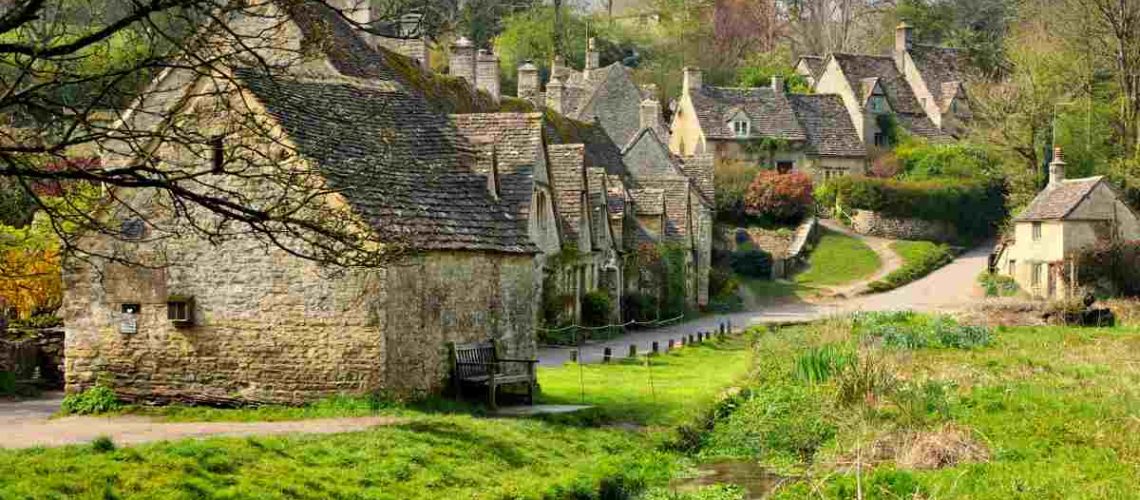
Gloucestershire stands as one of England’s most architecturally significant counties, where honey-coloured Cotswold stone meets Tudor timber framing, and where centuries of craftsmanship are etched into every gable, cornice, and buttress. From the soaring magnificence of Gloucester Cathedral to the merchant wealth embodied in Tewkesbury’s medieval streetscapes, this county presents both an extraordinary heritage resource and a formidable conservation challenge.
At Tuscan Foundry, we’ve worked alongside architects, conservation officers, and specialist contractors on countless Gloucestershire projects, supplying authentic cast iron rainwater systems, bespoke hopper heads, and radius guttering for some of the county’s most cherished buildings. Through this work, we’ve gained deep insight into the particular challenges facing historic properties in this region—and the careful, considered approach required to preserve them for future generations.
Before any work begins on a listed building in Gloucestershire, it is essential to navigate the planning and consent process. Listed Building Consent (LBC) is required for any alterations, extensions, or repairs that affect a building’s special architectural or historic interest. This applies to all grades of listing—from Grade I structures of exceptional importance down to Grade II buildings of national significance.
Gloucestershire County Council, along with individual district councils such as Cotswold District Council, Tewkesbury Borough Council, and Cheltenham Borough Council, work closely with Historic England to assess applications. The process can be detailed and time-consuming, requiring comprehensive drawings, specifications, and often a heritage statement explaining how proposed works will preserve or enhance the building’s character.
We regularly advise clients on the importance of early engagement with conservation officers. When specifying materials for rainwater systems, for instance, demonstrating that replacement gutters will exactly match historic profiles—or that bespoke cast iron hoppers will replicate lost originals—can make the difference between a smooth approval and a frustrating delay. Our extensive catalogue of traditional gutter profiles, from Victorian Ogee to large sand-cast sections, has proven invaluable in securing consent for projects where authenticity is paramount.
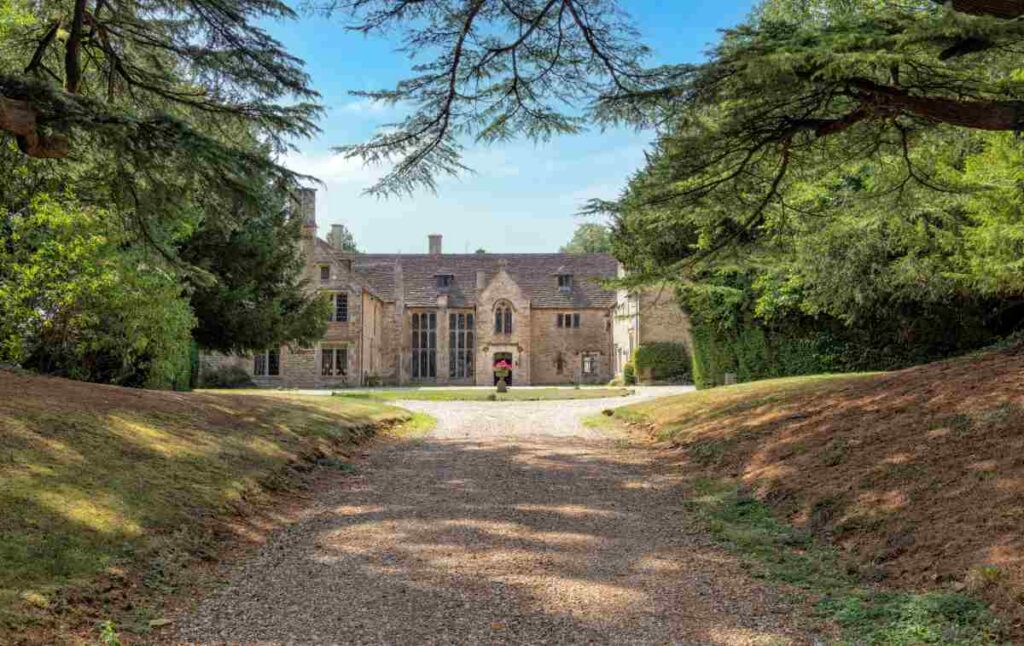
Gloucestershire’s architectural character brings specific conservation challenges that we encounter regularly in our work. The predominance of Cotswold limestone, while beautiful, is a relatively soft stone that requires careful water management. Inadequate or failing rainwater systems can accelerate stone decay through saturation, frost damage, and biological growth. We’ve seen countless examples where modern plastic guttering—often installed without proper consideration—has contributed to stonework deterioration by directing water incorrectly or failing to handle the flow capacity required by large historic roofs.
The county’s exposure to prevailing south-westerly weather means many historic buildings face persistent wind-driven rain. Cast iron rainwater systems offer superior durability in these conditions compared to plastic alternatives, which can become brittle, crack, and require frequent replacement. The longevity of properly maintained cast iron—often exceeding 100 years—makes it not only historically appropriate but also the most sustainable choice for long-term building care.
Climate change presents another mounting challenge. Gloucestershire has experienced several significant flooding events in recent decades, and rainfall intensity continues to increase. Historic buildings designed for Victorian weather patterns now face 21st-century deluges. We’re increasingly called upon to provide high-capacity gutter sections and carefully designed downpipe systems that can handle modern rainfall volumes while maintaining period authenticity. This often involves detailed hydraulic calculations combined with sensitive architectural detailing—precisely the kind of problem-solving where bespoke casting capabilities become essential.
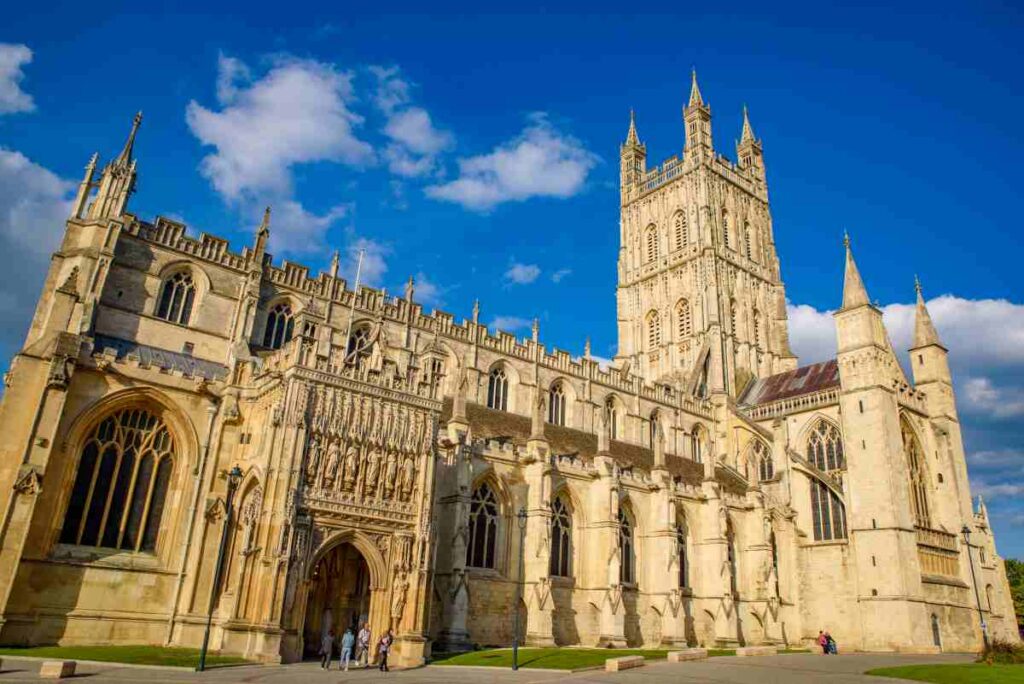
Gloucester Cathedral
Gloucester Cathedral represents one of Britain’s finest examples of medieval ecclesiastical architecture, with origins dating to 1089. The building’s extraordinary fan vaulting in the cloisters and its soaring perpendicular Gothic nave make it architecturally significant on an international scale.
The cathedral’s extensive roofscape, including complex valley gutters, towers, and pinnacles, presents ongoing maintenance challenges.
Large sand-cast gutters are essential for managing water from such vast roof areas, and the intricate detailing requires bespoke offsets, swan-necks, and ornamental hoppers to maintain both function and visual coherence. Conservation work here must meet the highest standards, with every element carefully specified to preserve the building’s UNESCO-worthy significance.
Sudeley Castle, Winchcombe
Sudeley Castle’s history spans nearly 1,000 years, from its medieval origins through Tudor royal connections to Victorian restoration. The castle complex showcases multiple architectural periods, including the magnificent ruins of the Banqueting Hall and the meticulously restored Pheasantry. The building’s romantic silhouette, complete with turrets, crenellations, and complex rooflines, demands equally romantic rainwater management solutions. Radius guttering for curved towers, decorative hopper heads bearing estate crests, and carefully matched rectangular downpipes all contribute to maintaining Sudeley’s fairy-tale appearance. Such properties require suppliers who understand that every visible element contributes to the architectural narrative, and that modern interventions must be invisible unless deliberately decorative.
Tewkesbury Abbey
Tewkesbury Abbey, consecrated in 1121, stands as one of England’s finest Norman churches and the largest parish church in the country. Its massive tower and extensive medieval roof structure require rainwater systems capable of handling enormous water volumes while respecting the building’s architectural purity. The abbey’s setting within Tewkesbury’s historic townscape, where medieval buildings cluster around its walls, means that water management failures can affect not just the abbey itself but neighbouring Grade I and Grade II listed properties. Working on such buildings requires not just technical competence but deep respect for historical significance—understanding that these structures have survived centuries and deserve materials that will serve them for centuries more.
Chavenage House, Tetbury
This remarkably complete Elizabethan manor house, dating from 1576, exemplifies the domestic architecture of the Tudor gentry. Chavenage’s distinctive E-plan layout, mullioned windows, and ornate chimney stacks create a complex roofscape where traditional cast iron soil pipes and rainwater systems are essential for maintaining authenticity. The house retains much of its original fabric, making any replacement work particularly sensitive. Period properties like Chavenage often have unique gutter profiles that cannot be matched by standard modern products, which is where pattern-making and bespoke casting become essential. The house also demonstrates why linseed oil paint finishes matter in conservation work—breathable, historically authentic, and sympathetic to both stone and timber substrates.
Berkeley Castle
Berkeley Castle, inhabited by the same family for over 850 years, combines Norman fortress architecture with later medieval and Victorian additions. The castle’s defensive origins mean substantial walls, narrow windows, and complex water-shedding requirements where standard drainage solutions simply won’t work. Projects at Berkeley have included bespoke hoppers bearing family heraldry, heavy-duty civil castings for courtyard drainage, and radius gutters for the castle’s cylindrical towers. Such work demonstrates that conservation isn’t about preserving buildings in aspic but about ensuring they continue to function effectively while respecting their historic character. The castle’s ongoing inhabited use means that any restoration work must balance museum-quality standards with practical twenty-first-century needs.

Over decades of working with Gloucestershire’s architectural heritage, we’ve developed a comprehensive approach to supporting conservation projects from initial specification through to final installation. Our process begins with understanding each building’s unique requirements—its history, its listing grade, its architectural significance, and its practical needs.
For complex projects, we offer site surveys where we can measure existing systems, photograph details, and work with architects and contractors to develop appropriate solutions. When replacing failed guttering on a Grade II* manor house, for instance, we’ll create accurate templates of existing profiles to ensure perfect replication. If original hoppers have been lost, we can work from historic photographs or comparable examples to create bespoke patterns that restore architectural completeness.
Our extensive inventory of 19 gutter profiles, over 50 hopper head designs, and comprehensive ranges of brackets, offsets, and fittings means we can often supply perfect matches for Gloucestershire’s diverse building stock without requiring costly one-off patterns. When standard solutions won’t work—and in conservation, they often won’t—our bespoke casting capability ensures that awkward details, unusual dimensions, and unique requirements can all be accommodated.
We’re particularly conscious of our role in the listed building consent process. We provide detailed drawings, specifications, and technical data that help architects and conservation officers understand exactly what’s proposed. We can supply samples for approval, work with heritage paint specialists to achieve specific finishes, and advise on installation details that respect historic fabric while ensuring modern performance.
The materials we supply are themselves part of the conservation philosophy. Cast iron manufactured from recycled scrap, 100% recyclable at end of life, and capable of lasting a century or more embodies the sustainability that historic buildings represent. When combined with linseed oil paint finishes—breathable, durable, and traditional—the result is a holistic approach to building care that honours both past and future.
Gloucestershire’s historic buildings face an uncertain future. Climate change, funding constraints, skills shortages, and changing ownership patterns all present challenges to effective conservation. Yet there are reasons for optimism. Planning policy increasingly recognises heritage value; grant funding, while competitive, remains available; and a new generation of conservation professionals is bringing fresh energy and rigorous standards to the field.
At Tuscan Foundry, we see our role as part of a wider conservation ecosystem—working alongside architects, engineers, contractors, and craftspeople to ensure that the materials and components we supply support the highest standards of care. When a medieval church receives new cast iron guttering that will still be functioning in 2125, or when a Georgian townhouse gains radius gutters that restore its architectural completeness, we’re contributing to a tradition of stewardship that stretches back centuries.
The buildings of Gloucestershire—from great cathedrals to modest cottages—represent an irreplaceable record of English life, craft, and aspiration. They deserve materials that honour their significance, workmanship that respects their fabric, and suppliers who understand that heritage conservation isn’t just about buildings—it’s about responsibility to the future.
Q: Do I need Listed Building Consent to replace gutters and downpipes on my Grade II listed Gloucestershire property?
A: In most cases, yes. Replacing or altering rainwater systems on a listed building typically requires Listed Building Consent, even if you’re using like-for-like materials. The key consideration is whether the work affects the building’s special architectural or historic interest. We recommend consulting your local conservation officer early in the planning process. We can provide detailed specifications and drawings that demonstrate how proposed replacements will match or enhance existing systems, which often helps secure approval. Some minor repairs using identical materials may fall under permitted development, but it’s always safer to seek formal confirmation.
Q: Why is cast iron preferred over plastic or aluminium for historic buildings in Gloucestershire?
A: Cast iron offers several crucial advantages for conservation work. Historically, it’s authentic—most Gloucestershire buildings constructed before the 1960s would have had cast iron rainwater systems. Practically, it’s far more durable, often lasting 100+ years compared to 20-30 years for plastic. Cast iron’s weight and rigidity mean it doesn’t flex or distort under load, it handles thermal expansion better, and it’s unaffected by UV degradation. From a conservation perspective, cast iron can be precisely cast to replicate historic profiles that plastic systems cannot match. Additionally, cast iron is 100% recyclable and represents a more sustainable long-term choice.
Q: How long does it take to get bespoke cast iron guttering or hoppers made for a Gloucestershire conservation project?
A: Lead times for bespoke cast ironwork typically range from 12 to 14 weeks, though this can vary depending on complexity and our current workload. The process involves creating accurate templates (often from site measurements), making wooden patterns, preparing moulds, casting, finishing, and painting. For radius guttering on curved bays or turrets, we need precise site dimensions before pattern-making can begin. Standard products from our extensive catalogue can usually be supplied much more quickly. We always recommend discussing timescales early in your project planning, particularly if you’re working to grant deadlines or specific weather windows for installation.
Q: Can Tuscan Foundry replicate unusual or damaged historic rainwater components that no longer exist?
A: Yes, this is precisely the kind of challenge where our bespoke casting capability proves invaluable. If you have surviving examples of unusual gutters, brackets, or hoppers, we can create patterns from these. If original components are completely lost, we can work from historic photographs, architectural drawings, or comparable examples from similar buildings. For decorative hoppers bearing estate crests or building names, we can work with heritage consultants to ensure heraldic accuracy. Our pattern-making team has experience replicating everything from complex Victorian downpipe junctions to ornate Georgian hopper heads, ensuring that restoration work achieves genuine architectural completeness.
Q: What paint finishes do you recommend for cast iron rainwater systems on listed buildings in Gloucestershire?
A: For authentic conservation work, we strongly recommend linseed oil-based paints rather than modern synthetic systems. Linseed oil paints are breathable, allowing moisture to escape from cast iron and surrounding masonry, which is crucial for buildings constructed before the damp-proof course era. They’re also historically accurate, durable, and available in a wide range of heritage colours. These paints can be custom-matched to specific shades required by conservation officers or to complement Cotswold stone. We can supply cast iron components with factory-applied primer, ready for site-applied linseed oil topcoats, or arrange specialist heritage paint finishing through our network of conservation partners.
Q: How do I calculate the correct gutter and downpipe sizes for a historic Gloucestershire building?
A: Gutter sizing depends on roof area, pitch, and local rainfall intensity. For Gloucestershire’s climate and the increased rainfall we’re now experiencing, calculations must account for more severe weather than when many historic buildings were constructed. We provide technical guidance on capacity calculations, but generally, our large sand-cast gutter sections are appropriate for substantial roofs on churches, civic buildings, and country houses, while standard profiles suit most domestic applications. The number and positioning of downpipes is equally important—insufficient outlets cause overflow and building damage. We’re happy to review roof plans and advise on appropriate specifications, particularly for complex buildings where multiple roof pitches discharge into shared valleys.
Q: Does Tuscan Foundry work directly with homeowners, or only through contractors and architects?
A: We work with everyone involved in building conservation—homeowners, architects, conservation officers, main contractors, and specialist heritage contractors. While complex projects often involve professional design teams, we’re equally happy to assist private owners who are carefully restoring period properties themselves. We can provide technical advice, suggest appropriate products from our catalogue, arrange site surveys where needed, and supply directly to site or to your chosen contractor. Our experience with listed building consent processes means we can help homeowners understand what specifications and documentation will be required, making the conservation journey less daunting. Whatever your project’s scale, if you care about doing it right, we’re here to help.
Throughout Gloucestershire’s conservation community, we’ve built lasting relationships founded on shared respect for architectural heritage and uncompromising standards. Whether you’re restoring a Cotswold cottage, maintaining a medieval wool church, or upgrading rainwater systems on a country estate, we bring over 130 years of metalworking heritage to every project. Our commitment extends beyond simply supplying components—we see ourselves as partners in stewardship, ensuring that the buildings we serve today will still be standing, functional, and beautiful for generations yet to come. When you choose authentic cast iron systems from Tuscan Foundry, you’re not just buying gutters and downpipes; you’re investing in the continuing story of Gloucestershire’s irreplaceable architectural legacy.