
Established 1893 | BS 460:2002 Certified | UK & International Supply | Expert Technical Support | 0333 987 4452
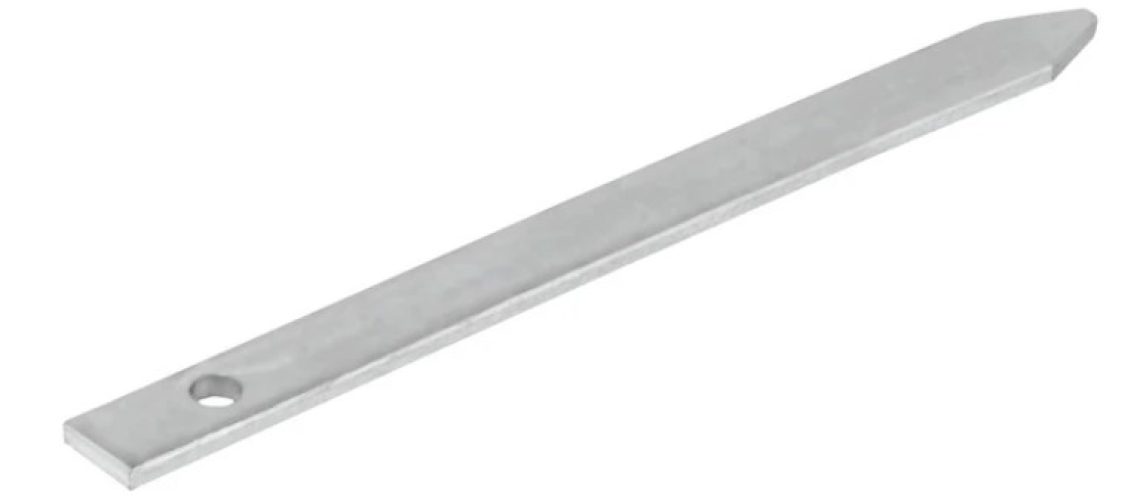
Gutter spikes, also known as drive-in spikes or fixing pins, are sturdy metal fasteners designed to secure cast iron gutters in place. These spikes work by anchoring the gutter brackets firmly to masonry, wooden fascias, or structural timbers, providing a strong and reliable hold that withstands heavy rain and wind. Proper gutter spikes are essential for any cast iron guttering system because they provide the support needed for the weight of the gutter material itself.
Cast iron gutters are significantly heavier than typical modern guttering materials, which is why traditional fixings like spikes are so important. Without robust gutter spikes, sagging and detachment are common problems. The spike-based system has been used for centuries and remains the gold standard for heritage and period properties.
Gutter spikes provide more than just structural support; they preserve the authentic appearance of period properties. Many heritage buildings have specific conservation requirements that demand traditional fixings. Modern proprietary fixing systems are generally unsuitable for listed buildings or historic properties, where traditional fixings are expected.
The importance of proper fixings becomes clear when you consider the forces acting on a gutter system. During heavy rainfall, a single metre of cast iron guttering can hold several kilograms of water. Wind loads add further stress. Without adequate fixings spaced properly, the gutter will sag or pull away from the building.
Rise and fall brackets offer an excellent alternative to traditional fascia-mounted systems, particularly for buildings without fascia boards. These brackets consist of a metal arm driven into masonry or a timber beam, with an adjustable holder that allows the gutter height to be fine-tuned for proper drainage. They are ideal for historic buildings where the wall structure may not support conventional fixings.
The adjustable nature of rise and fall brackets makes them perfect for buildings with uneven walls or where precise height adjustment is needed. The bracket arm itself is typically made from wrought iron or cast iron to match the guttering system, creating a cohesive and authentic appearance.
Rise and fall brackets offer several advantages for period buildings:
Proper spacing of gutter spikes is critical to the performance and longevity of a cast iron guttering system. Spikes should be spaced at regular intervals, typically every 600mm to 900mm (2–3 feet), depending on the span and loading conditions. This spacing ensures that the weight of the gutter and water is distributed evenly and prevents sagging between fixing points.
During installation, pilot holes should be pre-drilled in both wooden beams and masonry to reduce the risk of splitting timber or cracking stone. The gutter height should be set with a gentle fall towards the downpipes—typically about 1 in 200—to ensure water drains properly and doesn’t pool.
Gutter spikes must always be made from galvanised or stainless steel rather than plain steel. These materials are treated to resist corrosion and rust, ensuring long-term durability and protection against the elements. This is particularly important for cast iron guttering systems in exposed locations or coastal areas where salt spray can accelerate corrosion.
Mismatched fixings—for example, using mild steel spikes with cast iron gutters—will result in corrosion and staining as different metals react in damp conditions. Always specify fixings that are compatible with the guttering material.
Before installing gutter spikes and brackets, several preparation steps should be taken:
Gutter spikes are an ideal choice for listed and historic buildings because they use traditional fixing methods that preserve the authentic appearance of period properties. Unlike modern fixings, traditional gutter spikes with rise and fall brackets complement period architecture and are often preferred by conservation authorities for heritage building restoration projects.
Many conservation officers specifically require traditional fixings for listed building work. The aesthetic and structural authenticity of gutter spike systems make them the natural choice for heritage properties, Georgian houses, Victorian villas, and other period buildings.
Gutter spikes, also known as drive-in spikes or fixing pins, are sturdy metal fasteners designed to secure cast iron gutters in place. These spikes work by anchoring the gutter brackets firmly to masonry, wooden fascias, or structural timbers, providing a strong and reliable hold that withstands heavy rain and wind. They are particularly important because cast iron gutters are significantly heavier than modern alternatives.
Gutter spikes are crucial for securing cast iron guttering because they provide strong, reliable support that prevents sagging or detachment. Cast iron gutters are much heavier than modern alternatives like plastic or aluminium, so proper fixings are essential for long-term stability and durability. Additionally, traditional gutter spikes help preserve the authentic appearance of period properties.
Rise and fall brackets are excellent for mounting cast iron guttering, especially for buildings without fascia boards. These brackets consist of a metal arm driven into masonry or a timber beam, with an adjustable holder that allows the gutter height to be fine-tuned for proper drainage. They are ideal for historic buildings where fascia boards may not be present.
Rise and fall brackets offer several benefits for period buildings: adjustable height for proper water drainage, traditional fixing methods that complement period architecture, robust and weatherproof design to withstand exposed locations, and they require no fascia board installation. This makes them perfect for historic properties with non-standard wall configurations.
Gutter spikes should be spaced at regular intervals, typically every 600mm to 900mm (2-3 feet), to provide maximum support for cast iron gutters. Proper spacing ensures that the weight of the gutter and water is distributed evenly and prevents sagging between fixing points.
Yes, you should always choose galvanised or stainless steel gutter spikes rather than plain steel. These materials are treated to resist corrosion and rust, ensuring long-term durability and protection against the elements. This is particularly important for cast iron guttering systems in exposed locations or coastal areas.
Before installing gutter spikes, pre-drill pilot holes in both wooden beams and masonry. This reduces the risk of splitting wooden beams or cracking masonry when driving the spikes. Ensure that brackets remain level during installation and adjust the gutter height to ensure a gentle fall towards the downpipes to prevent water pooling.
Yes, gutter spikes are an ideal choice for listed and historic buildings because they use traditional fixing methods that preserve the authentic appearance of period properties. Unlike modern fixings, traditional gutter spikes with rise and fall brackets complement period architecture and are often preferred by conservation authorities for heritage building restoration projects.