
Established 1893 | BS 460:2002 Certified | UK & International Supply | Expert Technical Support | 0333 987 4452
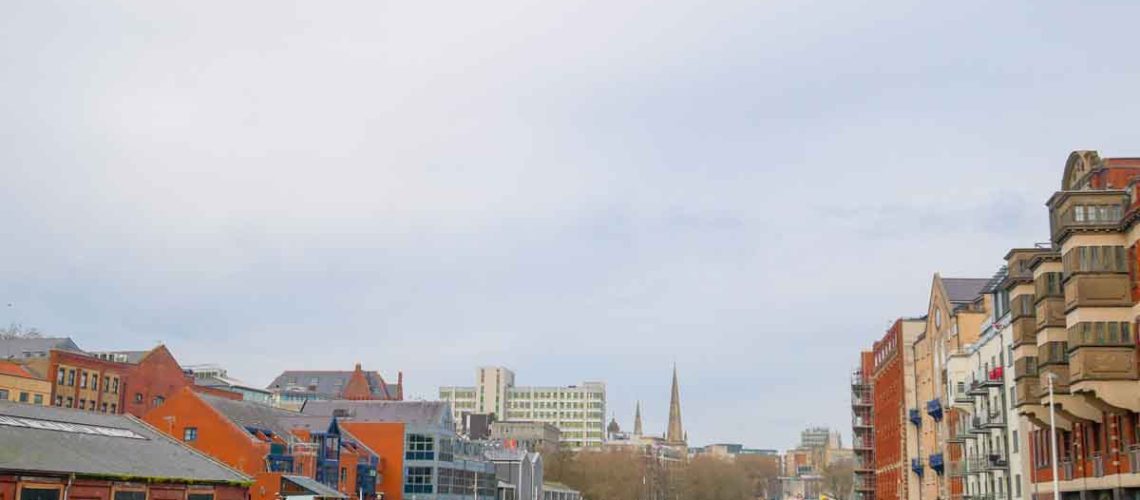
Bristol is one of England’s most architecturally significant cities, with a rich heritage that spans centuries. From its Georgian townhouses to Victorian industrial architecture, Bristol’s buildings tell the story of a prosperous trading port that flourished during the 18th and 19th centuries. The city’s architectural character is deeply connected to its history as a major commercial centre, and this heritage remains one of its greatest assets today.
The preservation of Bristol’s historic buildings is not just about maintaining aesthetic beauty; it’s about protecting the fabric of the city’s identity and supporting the local economy through heritage tourism and adaptive reuse projects. Cast iron guttering plays a vital role in this preservation effort, protecting period buildings from water damage while maintaining their authentic appearance.
Bristol’s Georgian era, spanning roughly from 1714 to 1830, produced some of the finest townhouse architecture in Britain. Streets like Clifton, Canonbury, and Dowry Square showcase elegant terraces of three and four-storey properties, many featuring the characteristic sash windows, ornamental plasterwork, and fine proportions typical of the period. These buildings were constructed for wealthy merchants and traders who profited from Bristol’s position as a major port.
Georgian architecture is characterised by symmetry, proportion, and restraint. The exteriors of these buildings are typically rendered with stucco or ashlar stonework, with panelled doors and multi-pane sash windows. Guttering systems in this period were invariably cast iron, chosen for their durability and aesthetic appeal. Modern replacements with plastic guttering would fundamentally alter the character of these properties.
When examining historic buildings in Bristol, several architectural features become apparent. The rooflines of Georgian and Victorian properties often feature ornamental cornicing and eaves details that require robust guttering solutions. Cast iron guttering with its traditional profiles—ogee, half-round, and box guttering—provides visual continuity with the original specifications.
Many Bristol properties feature distinctive architectural details such as decorative brackets, elaborate downpipes, and period-appropriate rainwater goods. These elements contribute significantly to the overall character and visual impact of the building. Any rainwater management system must respect these design details and preserve their contribution to the property’s heritage value.
Bristol’s built heritage encompasses several distinct types of buildings. Georgian townhouses dominate the city centre and inner suburbs, while Victorian villas and terraces extend into areas like Redland and Cotham. Industrial heritage buildings, such as warehouses and converted mills, represent another important category of Bristol’s architectural legacy.
Each building type has specific requirements for rainwater management. Georgian townhouses typically feature tall, slender proportions that require carefully designed guttering systems to manage water efficiently. Victorian properties often have more elaborate roof structures with multiple valleys and complex junctions. Industrial buildings may require bespoke cast iron guttering solutions to handle the scale and complexity of large roof areas.
Bristol has numerous Conservation Areas where strict planning controls apply. Building owners must obtain Conservation Area Consent for certain alterations, including replacement of external rainwater goods. This requirement exists because guttering is visible and contributes to the overall character of historic properties.
Local planning authorities and conservation officers typically expect replacement guttering to match the original specifications in profile, material, and finish. Cast iron is considered the appropriate choice for listed buildings and Conservation Area properties. Plastic guttering would be rejected by planning as being unsuitable for a heritage context.
To fully appreciate Bristol’s historic architecture, it’s worth exploring the city systematically. Key areas include Clifton, where elegant Georgian villas are set in tree-lined streets; the Georgian House museum area, showcasing period interiors; and the Harbourside, where historic warehouses have been converted for modern use. Walking tours organised by heritage groups provide detailed information about individual buildings and their architectural significance.
When viewing historic properties, pay attention to architectural details such as cornicing, window treatments, and external rainwater systems. These elements provide clues about the building’s age and original specifications. Well-maintained cast iron guttering is particularly visible and contributes significantly to the visual impact of period properties.
Bristol’s significance as a maritime and trading centre is reflected in its industrial heritage buildings. The docks area contains numerous warehouses, cranes, and associated structures that demonstrate the scale and sophistication of Bristol’s historical commercial activities. Many of these buildings are now Grade II or Grade II* listed and form part of important Conservation Areas.
Preserving industrial heritage requires specialist approaches to rainwater management. Large roof areas and complex junctions typical of warehouse buildings demand robust cast iron guttering systems designed to handle significant water volumes. Bespoke solutions are often required, particularly for buildings with irregular or complex rooflines.
Heritage building conservation provides multiple benefits to Bristol and its residents. Economically, listed building restoration creates employment and attracts investment. Socially, preserved buildings maintain community identity and provide tangible connections to the past. Environmentally, restoring existing buildings is more sustainable than demolition and new construction.
Proper maintenance and restoration of period buildings, including appropriate guttering systems, helps ensure their long-term survival. Cast iron guttering, when properly maintained, can last for centuries, making it a sustainable choice for heritage properties. Investment in quality restoration work pays dividends through increased property values and reduced future maintenance costs.
As Bristol continues to evolve, the preservation of its architectural heritage becomes increasingly important. Cast iron guttering plays a crucial, if often overlooked, role in this preservation. By choosing appropriate rainwater systems that respect historical authenticity, building owners contribute to the wider effort of maintaining Bristol’s distinctive character and architectural legacy.
Whether restoring a Georgian townhouse, converting an industrial warehouse, or maintaining a Victorian villa, specifying cast iron guttering ensures that the practical necessities of water management are met without compromising the historical integrity and visual character of the building.
Bristol is one of England’s most architecturally significant cities with a rich heritage spanning centuries. The city features Georgian townhouses, Victorian industrial architecture, and buildings from its era as a prosperous trading port. This architectural character is deeply connected to Bristol’s history as a major commercial centre.
Bristol’s Georgian era spans roughly from 1714 to 1830. During this period, the city produced some of the finest townhouse architecture in Britain. Streets like Clifton, Canonbury, and Dowry Square showcase elegant terraces of three and four-storey properties with characteristic sash windows and ornamental plasterwork.
Cast iron guttering is crucial for protecting Bristol’s historic buildings from water damage while maintaining their authentic appearance. Guttering systems in the Georgian period were invariably cast iron, chosen for durability and aesthetic appeal. Modern plastic replacements would fundamentally alter the character of period properties.
Bristol has numerous Conservation Areas where strict planning controls apply. Building owners must obtain Conservation Area Consent for certain alterations, including replacement of external rainwater goods. Local authorities typically expect replacement guttering to match the original specifications in profile, material, and finish.
Bristol’s built heritage encompasses several distinct types. Georgian townhouses dominate the city centre and inner suburbs, while Victorian villas and terraces extend into areas like Redland and Cotham. Industrial heritage buildings, such as warehouses and converted mills, represent another important category of Bristol’s architectural legacy.
To fully appreciate Bristol’s historic architecture, explore key areas including Clifton with its elegant Georgian villas, the Georgian House museum area, and the Harbourside with converted warehouses. Pay attention to architectural details such as cornicing, window treatments, and external rainwater systems, as these provide clues about the building’s age and original specifications.
Bristol’s significance as a maritime and trading centre is reflected in its industrial heritage buildings. The docks area contains warehouses, cranes, and structures demonstrating Bristol’s historical commercial sophistication. Many are Grade II or Grade II* listed and form part of important Conservation Areas requiring specialist rainwater management solutions.
Heritage building conservation provides multiple benefits. Economically, listed building restoration creates employment and attracts investment. Socially, preserved buildings maintain community identity. Environmentally, restoring existing buildings is more sustainable than demolition. Proper maintenance, including appropriate guttering, helps ensure long-term survival of heritage properties.